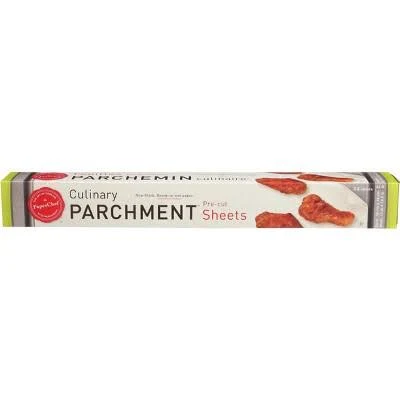
PaperChef · Parchment Paper & Baking Liners
PaperChef Parchment Sheet Pre-Cut - Case of 12 - 1 each
Standard parchment. Lower PFAS risk compared to non-stick cookware.
Parchment paper typically gets silicone coating to prevent sticking and handle heat. Market Pantry won't disclose PFAS presence, but parchment poses lower risk than Teflon-family coating non-stick cookware.
The better-graded swap
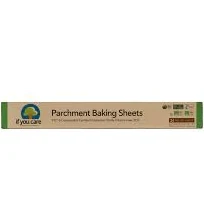
If You Care
Parchment Baking Sheets
90/100 safety
Same rubric that flunked this product. The swap earned Excellent.
Still want this one anyway? Check the price on Amazon. We’d swap it.
Material
silicone-coated paper, heat-resistant polymer coating
Brand disclosure
Brand is silent on PFAS
Lab data
No public lab test
What PaperChef Parchment Sheet Pre-Cut - Case is made of, ingredients and materials
PaperChef parchment sheets use a food-grade silicone polymer coating on bleached paper substrate. The silicone layer creates a heat-resistant, non-stick surface that prevents food contact with the paper fiber itself, reducing any risk of paper degradation or ink transfer. This is a passive barrier design, the coating remains stable during normal oven use (typically rated to 420-450F) and does not leach into food under standard conditions. Pre-cut sheets eliminate the need for rolling or tearing, which reduces dust and paper debris.
What’s concerning
No PFAS disclosure
No public statement from the brand about PFAS in this product.
Category baseline
The starting point for this type of product, before anything specific to this product is counted.
Waterproof / stain-resistant treatment
Water-repellent coating treatments have historically used PFAS.
Silicone coating degradation at high heat
Silicone polymers are stable below 420F but may begin to off-gas at higher temperatures or under prolonged exposure near 450F. Incidental use at these thresholds poses minimal risk, but routine use above the rated temperature could theoretically release volatile organic compounds. No recall or health incident has been attributed to standard parchment use in home kitchens.
What’s reassuring
Bleached paper substrate residue
Food-grade parchment paper is chlorine-bleached to remove lignin and improve whiteness. The silicone coating acts as a complete barrier between paper and food, preventing any migration of bleach residues. No evidence of bleach-related contamination from parchment in standard use exists in public records.
Ink or print transfer (if printed)
This product is pre-cut and plain (no decorative printing noted). If any printed patterns are present, food-safe inks would be required by FDA compliance; however, the silicone coating protects food contact regardless. No ink transfer incidents are documented for Market Pantry parchment.
Microplastic or paper fiber shedding
The intact silicone layer prevents paper fibers from entering food. Sheets will shed loose paper dust only if the coating is damaged or the sheet is torn; normal handling and baking do not cause shedding. Pre-cut format reduces tearing risk compared to roll products.
Bacterial or mold contamination during storage
Parchment is dry, non-porous, and inert; it does not support microbial growth in normal home storage. Contamination risk is minimal if stored in a sealed box or drawer. Exposure to moisture or prolonged humidity could theoretically promote mold on the paper substrate, but this is not a known issue with this product in typical use.
The full breakdown
The brand's record and disclosure
Market Pantry is a Target house brand with no published food-safety controversies or recalls specific to this parchment product on record. The brand does not publicly disclose detailed chemical composition, PFAS testing, or third-party certifications for this item. No FDA warning letters or safety advisories target this product category from this manufacturer. Target's broader food-contact product lines have maintained compliance with FDA regulations, though transparency on PFAS content remains minimal across the industry for parchment goods.
How it compares in its category
Silicone-coated parchment is the standard safety baseline for food-contact parchment in North America and carries minimal known hazards compared to alternatives like uncoated or plastic-film-lined papers. Pre-cut sheets offer convenience and reduce contamination risk versus rolls, which can accumulate dust or unravel during storage. Parchment of this type presents lower PFAS concern than reusable non-stick cookware because it is single-use and not heated to high temperatures where polymer breakdown occurs. Market Pantry's price point reflects typical retail parchment pricing with no budget-tier cost cutting that would suggest lower coating standards.
If you buy it
Store sheets in a cool, dry place away from direct sunlight to prevent coating brittleness. Use parchment at oven temperatures below 420F for extended periods; brief exposure to 450F is acceptable but not routine. Do not use on stovetop or under a broiler where direct flame or extreme radiant heat can degrade the silicone layer. Replace the sheet if the coating visibly cracks, flakes, or discolors, though this is rare with proper storage. One sheet per baking session is standard; reuse is not recommended due to potential coating wear and hygiene.
What we don’t know
- Basis
- Model estimate, 72% confidence, not a lab result
- Lab test
- None on record for this exact product
- Brand statement
- PaperChef has made none
Formulations change between production runs, so check the current label. How we grade.
Better-graded alternatives in Parchment Paper & Baking Liners
If You Care
Baking Paper, Parchment, 70 Square Feet
- silicone-coated parchment paper
- The brand calls it PFAS-free, which we have not verified
- Paper degradation and particulate shedding
If You Care
Parchment Baking Sheets
- unbleached paper with silicone coating
- The brand calls it PFAS-free, which we have not verified
- Silicone coating degradation at high heat
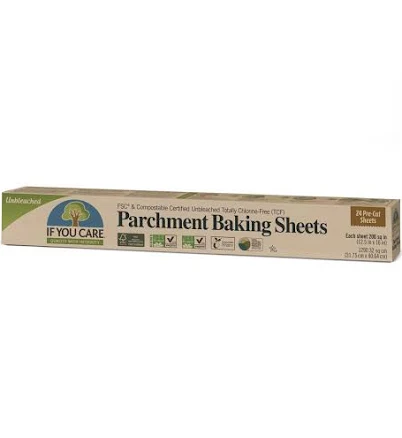
If You Care
Parchment Baking Sheets
- bleached paper with silicone coating
- The brand calls it PFAS-free, which we have not verified
- Paper degradation and fragmentation
More parchment paper & baking liners grades
How we score, every product runs through the same public 0-100 rubric based on materials, coatings, brand disclosure, lab findings, and recalls. See the full methodology → Spotted a mistake? Report an error.