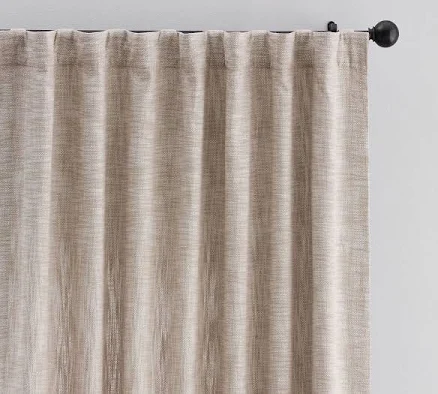
Pottery Barn Custom Seaton Textured Cotton Curtain
Lower PFAS concern because untreated cotton rarely requires fluorinated treatments.
Pottery Barn's Seaton curtain is plain textured cotton with no advertised water-resistant or stain-resistant finish, which is the main way PFAS enters home textiles. No treatment means lower PFAS exposure.
We flunk more products than we pass. This one earned its grade. How we grade
Material
100% cotton textile, no stated coating
Lab data
No public lab test
You may also be interested in
Top-graded picks in the categories readers replace first, every one scored on the same rubric.

- polypropylene filter housing, carbon/sediment cartridge
- We found no PFAS statement from the brand
- Bacterial growth in spent cartridges
3 hazards checked on this product, all on its full breakdown.

Aquasure
Premier Series 75 GPD Under Sink Reverse Osmosis Water Filtration System
- RO membrane, carbon filters, stainless steel housing
- We found no PFAS statement from the brand
- Bacterial and microbial growth in housing and filters
4 hazards checked on this product, all on its full breakdown.

Avocado
Vegan Mattress
- organic cotton, natural latex, coconut coir, recycled steel coils
- The brand calls it PFAS-free, which we have not verified
- Heavy metals
2 hazards checked on this product, all on its full breakdown.
What Pottery Barn Custom Seaton Cotton Curtain is made of, ingredients and materials
This curtain is 100% cotton with a textured weave and no stated water-resistant or stain-resistant coating. Raw cotton fibers are inherently low-chemical products; the risk profile depends entirely on dyes and finishing processes applied during manufacture. Textured construction typically requires minimal chemical treatment beyond standard dyeing, making this simpler than coated or blended synthetics.
What’s concerning
Category baseline
The starting point for this type of product, before anything specific to this product is counted.
No PFAS disclosure
No public statement from the brand about PFAS in this product.
Formaldehyde / VOCs
Cotton textiles sometimes use formaldehyde-based resins for wrinkle resistance or stiffness during finishing. Pottery Barn does not disclose use or absence of such agents. Off-gassing typically decreases sharply after first wash but cannot be ruled out without testing.
Source, ATSDR ↗Heavy metals
The textured cotton is dyed, but depth and color are not specified. Poorly regulated azo dyes can break down into aromatic amines; heavy metals (lead, cadmium) in pigments are a known risk in imported textiles. No independent testing or certification is stated for this product.
Source, FDA ↗Dye migration or bleeding onto skin or other fabrics
Untreated, undyed cotton curtains rarely bleed; however, this product's textured finish and unspecified dye binding suggest loose dyes may shed initially. First wash is recommended; prolonged contact with light skin or adjacent furnishings may cause minor staining if not pre-washed.
What’s reassuring
Base material not linked to PFAS
The main material recorded for this product is not one associated with PFAS.
Pesticide residue
Conventional cotton is heavily pesticide-sprayed; however, finished textiles undergo multiple washing and dyeing stages that dilute residues to negligible levels. No recalls or reports of pesticide harm from Pottery Barn curtains exist on record.
Source, EPA ↗VOC or solvent off-gassing
Untreated cotton curtains are not typically processed with solvent-based finishes. No off-gassing alerts or odor complaints are documented for Pottery Barn curtain products in this category.
How is this PFAS grade calculated?
The brand's record and disclosure
Pottery Barn does not publicly disclose detailed chemical testing, third-party certifications (such as OEKO-TEX), or restricted substance lists for their textiles. The brand has not faced documented safety recalls for formaldehyde, heavy metals, or azo dyes in curtain products. Their silence on chemical transparency is typical of mainstream home furnishings retailers but limits independent verification of dye safety or finishing agents used.
How it compares in its category
Untreated cotton curtains present lower concern than synthetic blends or polyester-heavy alternatives, which often contain antimony catalysts and flame retardant coatings. This product avoids the fluorinated water-repellent finishes common in premium curtain lines, reducing PFAS and other coating-related risks. Competitors offering OEKO-TEX or Global Organic Textile Standard certification provide stronger chemical assurance, but standard cotton curtains from major retailers sit in a middle-ground safety zone.
If you buy it
Wash before first use to remove any loose dyes or residual finishes from manufacturing. Use cool or warm water; hot water increases dye bleeding and may accelerate any weakly bound chemical residues. Hang away from direct prolonged sunlight to minimize fading and potential photochemical degradation. Standard home laundering poses no special hazard; no special care is needed beyond normal fabric maintenance.
What is not known about PFAS in this product?
- Basis
- Model estimate, 82% confidence, not a lab result
- Lab test
- None on record for this exact product
- Brand statement
- Pottery Barn has made a specific claim
Formulations change between production runs, so check the current label. How we grade.
More curtains grades
How we score, every product runs through the same public 0-100 rubric based on materials, coatings, brand disclosure, lab findings, and recalls. See the full methodology → Spotted a mistake? Report an error.