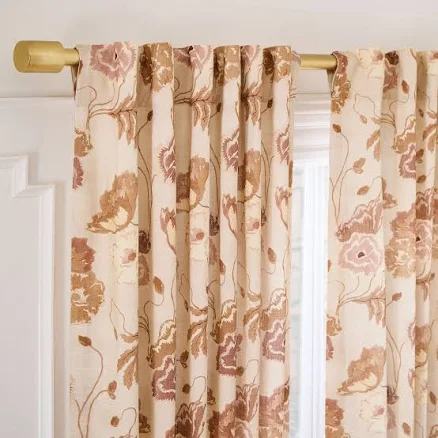
West Elm Poppy Blooms Curtain Set of 2
Lower PFAS concern, but West Elm does not clarify dyes or applied finishes.
West Elm's Poppy Blooms Curtains are polyester-blend drapery with no water-repellency or stain-guard claims. Dye chemistry and finishing treatments remain undisclosed, though standard fabrics pose minimal PFAS risk.
We flunk more products than we pass. This one earned its grade. How we grade
Material
polyester blend curtain fabric, dyed
Lab data
No public lab test
You may also be interested in
Top-graded picks in the categories readers replace first, every one scored on the same rubric.

- polypropylene filter housing, carbon/sediment cartridge
- We found no PFAS statement from the brand
- Bacterial growth in spent cartridges
3 hazards checked on this product, all on its full breakdown.

Aquasure
Premier Series 75 GPD Under Sink Reverse Osmosis Water Filtration System
- RO membrane, carbon filters, stainless steel housing
- We found no PFAS statement from the brand
- Bacterial and microbial growth in housing and filters
4 hazards checked on this product, all on its full breakdown.

Avocado
Vegan Mattress
- organic cotton, natural latex, coconut coir, recycled steel coils
- The brand calls it PFAS-free, which we have not verified
- Heavy metals
2 hazards checked on this product, all on its full breakdown.
What West Elm Poppy Blooms Curtain Set of 2 is made of, ingredients and materials
The Poppy Blooms curtains are a polyester blend dyed fabric, likely polyester with a small cotton or viscose component based on West Elm's typical construction. Polyester itself is chemically stable when intact; the real concern is the dye chemistry and any finishing treatments applied to achieve colorfastness and wrinkle resistance. West Elm does not publicly disclose whether these use azo dyes, heavy-metal mordants, or formaldehyde-based resins, which are common in budget and mid-market textile dyeing.
What’s concerning
Category baseline
The starting point for this type of product, before anything specific to this product is counted.
No PFAS disclosure
No public statement from the brand about PFAS in this product.
Heavy metals
West Elm does not disclose dye chemistry for the Poppy Blooms line. Conventional polyester dyes may include azo compounds or lead/cadmium mordants; these are not prohibited for home textiles in the US but can off-gas or migrate with humidity. No specific test results for this product are on record.
Source, FDA ↗Formaldehyde / VOCs
Polyester-blend curtains often receive formaldehyde-based wrinkle-resist or durable-press finishes to reduce wrinkling and improve dye fastness. West Elm provides no finish specification for this product. Off-gassing typically subsides within days to weeks but may persist in poorly ventilated spaces.
Source, ATSDR ↗Volatilization of residual dye solvents and manufacturing chemicals
New curtains often retain isopropyl alcohol, dimethyl formamide, or other dye-process solvents in fibers. Initial off-gassing is normal and generally mild in polyester; airing out new curtains reduces exposure. No complaints specific to West Elm curtains are documented.
Color bleeding or dye migration onto adjacent surfaces
Poorly fixed or low-quality dyes can bleed onto window frames, walls, or adjacent fabrics, especially in humid environments. The 'Poppy Blooms' line involves saturated floral prints, which demand robust dye fastness. West Elm's lack of colorfastness certification means this risk cannot be quantified.
Microplastic shedding during laundering
Polyester-blend fabrics release small plastic fibers during washing. While the health risk from laundering textiles is debated, curtains shed minimally compared to high-wear items. Machine washing on gentle cycles will reduce fiber loss.
What’s reassuring
Base material not linked to PFAS
The main material recorded for this product is not one associated with PFAS.
How is this PFAS grade calculated?
The brand's record and disclosure
West Elm has not published detailed fiber or chemical sourcing transparency comparable to brands like Patagonia or Everlane. The company holds no known third-party textile certifications (e.g., OEKO-TEX, GOTS) for home furnishings lines as of public record. No safety recalls or formal complaints regarding chemical off-gassing or dye toxicity have been documented for West Elm curtains, but the brand's silence on finish chemistry means residual formaldehyde or dye-process chemicals cannot be ruled out.
How it compares in its category
Mid-market curtain brands (West Elm, CB2, Pottery Barn) typically undergo basic colorfastness testing but rarely disclose heavy-metal content in dyes or formaldehyde resin use. Certified organic or OEKO-TEX Gold curtains command a premium and are less common at this price point. West Elm's lack of transparency is standard for the category, not exceptional; comparable polyester-blend curtains from department-store brands carry similar undisclosed finish hazards.
If you buy it
Unpack and air the curtains in a well-ventilated room or outdoors for 24-48 hours before hanging to allow any residual volatile chemicals from manufacturing and packaging to disperse. Wash before first use with cool water and mild detergent to remove loose dyes and finish residues. Avoid dry cleaning (solvents can strip protective finishes unevenly) and machine wash on gentle or hand wash when soiled. Polyester-blend curtains typically last 5-7 years; replace if fading accelerates or fabric becomes brittle, signaling UV or thermal degradation.
What is not known about PFAS in this product?
- Basis
- Model estimate, 72% confidence, not a lab result
- Lab test
- None on record for this exact product
- Brand statement
- West Elm has made a specific claim
Formulations change between production runs, so check the current label. How we grade.
More curtains grades
How we score, every product runs through the same public 0-100 rubric based on materials, coatings, brand disclosure, lab findings, and recalls. See the full methodology → Spotted a mistake? Report an error.