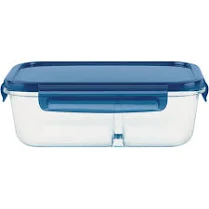
Pyrex MealBox Divided Glass Storage Container 5.5 Cup
Glass container carries lower concern; lid material unspecified.
Pyrex MealBox is primarily borosilicate glass, a lower-concern material for food storage. Plastic lid composition is undisclosed, creating minor uncertainty.
We flunk more products than we pass. This one earned its grade. How we grade
Material
borosilicate glass, plastic lid
Lab data
No public lab test
What Pyrex MealBox Divided Glass Storage is made of, ingredients and materials
The container body is borosilicate glass, a silicate formulation engineered to resist thermal shock and chemical leaching. Borosilicate does not leach lead, cadmium, or other heavy metals into food under normal use or heating, and it is chemically inert to most foods and acidic liquids. The lid is plastic (material type not specified by manufacturer), which is the only component carrying potential leaching or off-gassing risk, though the lid does not contact food directly if properly seated.
What’s concerning
Category baseline
The starting point for this type of product, before anything specific to this product is counted.
No PFAS disclosure
No public statement from the brand about PFAS in this product.
BPA & bisphenols
Manufacturer does not specify the plastic resin (e.g., polypropylene, polycarbonate, acrylic) used in the lid. If the lid is polycarbonate, BPA exposure is possible under heat or with acidic foods; other plastics carry lower but not zero leaching risk. Direct food contact with the lid is minimal if the container is properly sealed.
Source, FDA ↗Glass breakage and sharp edges
Borosilicate glass containers are durable but can crack or shatter under thermal shock or impact. User reports of breakage during normal use exist in the product category; sharp glass fragments are a secondary hazard. This is a design limitation of glass, not specific to Pyrex quality.
Seal degradation and lid fit loss
Plastic lids can shrink, warp, or lose elasticity over time or with repeated heating, reducing seal integrity. No widespread complaints are documented for this specific model, but lid performance is known to degrade after 1-3 years of regular use in the category.
Microplastics
If the undisclosed plastic lid material is brittle or prone to flaking, repeated opening and closing or washing may release small particles. Risk is reduced if the lid material is not specified because it is likely a durable thermoplastic, but without disclosure, this cannot be confirmed.
Source, EPA ↗What’s reassuring
Bare uncoated material
Recorded as a bare, uncoated material with no surface coating or treatment.
Lead
Borosilicate glass formulations do not contain lead or cadmium pigments, and no manufacturing issues or recalls for this hazard are on record for Pyrex borosilicate storage containers.
Source, ATSDR ↗The full breakdown
The brand's record and disclosure
Pyrex (currently owned by Instant Brands) has not made public commitments on PFAS reduction in food-storage products and does not disclose lid material composition on this product. The brand has no known recalls or enforcement actions specific to this MealBox line for chemical leaching. Pyrex maintains a long history in borosilicate glassware, which has a strong established safety profile in consumer use.
How it compares in its category
Glass food-storage containers generally carry lower chemical leaching risk than plastic alternatives because glass is inert and does not shed BPA, BPS, or phthalates into food. Among glass containers, borosilicate is preferred over soda-lime glass because it resists thermal stress. This product's divided-compartment design is typical of the category and does not introduce additional hazard surfaces beyond the undisclosed plastic lid.
If you buy it
Borosilicate glass is microwave and oven-safe to high temperatures (typically safe to 500F), but verify the lid's heat tolerance before microwaving sealed. Avoid sudden temperature changes (ice-cold food to oven heat) to prevent cracking. Hand-wash or use gentle cycles to avoid thermal shock. Inspect the lid periodically for wear, cracking, or discoloration; replace if compromised to maintain seal integrity and reduce any plastic particle risk.
What we don’t know
- Basis
- Model estimate, 82% confidence, not a lab result
- Lab test
- None on record for this exact product
- Brand statement
- Pyrex has made a specific claim
Formulations change between production runs, so check the current label. How we grade.
Better-graded alternatives in Lunch Boxes
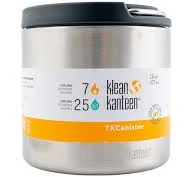
Klean Kanteen
Double Wall Vacuum Insulated Stainless Steel Food Canister Container with Leak Proof Lid
- Stainless steel body, silicone gasket lid seal
- The brand calls it PFAS-free, which we have not verified
- Silicone gasket degradation
3 hazards checked on this product. See all of them.
More lunch boxes grades
How we score, every product runs through the same public 0-100 rubric based on materials, coatings, brand disclosure, lab findings, and recalls. See the full methodology → Spotted a mistake? Report an error.