Quechua · Camping Tents & Tarps
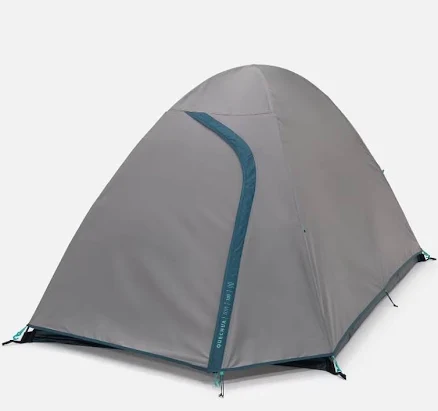
Decathlon Quechua Mh100 Waterproof Camping Tent
Skip until Decathlon or Quechua reveals water-repellent coating chemistry; waterproof tents often use PFAS.
This budget camping tent uses polyester treated for water repellency. Decathlon won't reveal water-repellent coating chemistry, and entry-level outdoor gear commonly uses PFAS-based waterproofing.
Still want this one anyway? Check the price on Amazon. We’d swap it.
Material
Polyester tent fabric with water-repellent coating (water-repellent coating) coating
Brand disclosure
Brand is silent on PFAS
Lab data
No public lab test
You may also be interested in
Top-graded picks in the categories readers replace first, every one scored on the same rubric.

Aqua Pure
3M Aqua-Pure AP802B Whole House Filter Housing
- polypropylene filter housing, carbon/sediment cartridge
- We found no PFAS statement from the brand
- Bacterial growth in spent cartridges
3 hazards checked on this product. See all of them.

Aquasure
Premier Series 75 GPD Under Sink Reverse Osmosis Water Filtration System
- RO membrane, carbon filters, stainless steel housing
- We found no PFAS statement from the brand
- Bacterial and microbial growth in housing and filters
4 hazards checked on this product. See all of them.

Avocado
Vegan Mattress
- organic cotton, natural latex, coconut coir, recycled steel coils
- The brand calls it PFAS-free, which we have not verified
- Heavy metals
2 hazards checked on this product. See all of them.
What Decathlon Quechua Mh100 Waterproof is made of, ingredients and materials
The Quechua MH100 uses polyester fabric as its primary material, which is chemically inert and stable under normal camping conditions. The waterproofing comes from a water-repellent coating (water-repellent coating) coating applied to the polyester; Decathlon has not publicly disclosed whether this coating contains PFAS-based compounds (legacy fluorocarbon finishes) or PFAS-free alternatives. Polyester itself does not leach or off-gas significantly in outdoor use, but the water-repellent coating chemistry is the unknown variable.
What’s concerning
Category baseline
The starting point for this type of product, before anything specific to this product is counted.
No PFAS disclosure
No public statement from the brand about PFAS in this product.
Waterproof / stain-resistant treatment
Water-repellent coating treatments have historically used PFAS.
PFAS
Decathlon has not disclosed the water-repellent coating chemistry for the MH100. Budget waterproof tents overwhelmingly use legacy PFAS-based fluorocarbon finishes; absence of disclosure suggests PFAS is present, though not confirmed for this specific model.
Source, ATSDR ↗Polyester fiber integrity and microfiber shedding
Polyester fabric can shed microfibers when abraded or washed. For a camping tent, shedding risk is minimal in normal outdoor use, but repeated packing, unpacking, and friction on the tent floor may release small quantities of fibers.
Mold and mildew growth on wet fabric
If stored damp, the polyester fabric itself can host mold, though the risk is low. The water-repellent coating may trap moisture between layers, increasing localized mold risk; proper drying before storage is essential.
Coating degradation and leaching over time
As the water-repellent coating ages (typically 5-10 years), adhesion to polyester can weaken and particles may shed into the environment. If PFAS is present, this degradation period is when leaching/off-gassing risk is highest.
What’s reassuring
Formaldehyde / VOCs
Polyester fabric dyed and finished under Decathlon's supply chain is not documented to contain formaldehyde resins or banned azo dyes. No recalls or reports of these hazards on the MH100.
Source, ATSDR ↗The full breakdown
The brand's record and disclosure
Decathlon has not made public statements about PFAS use or phase-out timelines for tent water-repellent coating coatings as of available records. The company holds certifications including Oeko-Tex and ISO standards for some products, but these do not automatically exclude PFAS in functional coatings. Quechua (Decathlon's in-house brand) operates with limited chemical transparency compared to premium outdoor brands that have committed to PFAS alternatives.
How it compares in its category
Budget camping tents in this price range typically use PFAS-based water-repellent coating coatings for cost-effectiveness; the MH100 is no exception to this industry norm. Premium brands (e.g.Brands (such as Big Agnes, Zpacks) increasingly use water repellents not linked to PFAS, but command higher prices. The MH100 offers reliable waterproofing for the cost, but buyers choosing this over PFAS-disclosed alternatives are accepting greater chemical uncertainty.
If you buy it
Store the tent dry and unfolded when not in use; mold growth on polyester itself is unlikely, but moisture trapped under the coating can degrade adhesion over 5-10 years. Do not apply heat above 60°C (140°F) to the fabric, as high temperatures can damage the water-repellent coating layer. Reapply commercial PFAS-free water-repellent coating treatments every 2-3 years if water no longer beads on the surface. Plan to replace this tent within 7-10 years to minimize prolonged PFAS exposure if coating migration occurs.
What we don’t know
- Basis
- Model estimate, 45% confidence, not a lab result
- Lab test
- None on record for this exact product
- Brand statement
- Quechua has made none
Formulations change between production runs, so check the current label. How we grade.
More camping tents & tarps grades
How we score, every product runs through the same public 0-100 rubric based on materials, coatings, brand disclosure, lab findings, and recalls. See the full methodology → Spotted a mistake? Report an error.