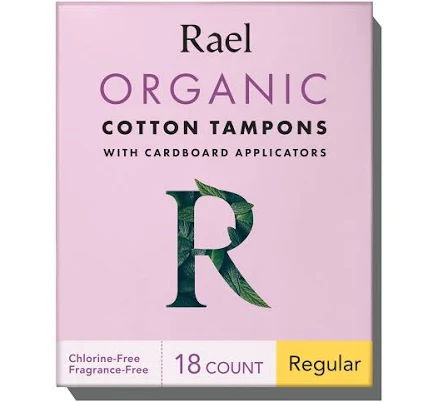
Rael Organic Cotton Tampons with Cardboard Applicators
Lower concern. Organic cotton and cardboard are inherently PFAS-unlikely materials.
Rael makes these from organic cotton and cardboard, materials not typically treated with PFAS. No brand disclosure on PFAS, but the material choice itself poses minimal risk.
We flunk more products than we pass. This one earned its grade. How we grade
Material
Organic cotton fibers, cardboard applicator
Brand disclosure
Brand is silent on PFAS
Lab data
No public lab test
What Rael Organic Cotton Tampons is made of, ingredients and materials
Rael tampons use certified organic cotton fibers, which are grown without synthetic pesticides or fertilizers, reducing residue risk compared to conventional cotton. The cardboard applicator is a non-plastic alternative that eliminates concerns about BPA, phthalates, or plastic breakdown during insertion. Organic cotton still undergoes standard bleaching and processing, but these are subject to organic certification standards that limit harsh chemical use. The combination of these two materials represents a lower-chemical-exposure design compared to plastic-applicator or rayon-blend options.
What’s concerning
Category baseline
The starting point for this type of product, before anything specific to this product is counted.
No PFAS disclosure
No public statement from the brand about PFAS in this product.
Bleaching agent residues (chlorine or oxygen-based)
Organic cotton still undergoes bleaching during processing; while organic standards limit certain agents, residual chlorine dioxide or hydrogen peroxide exposure through vaginal mucosa is theoretically possible but not documented as a clinical issue in published studies. Rael does not publicly specify which bleaching method is used.
Dioxin (byproduct of chlorine bleaching)
If chlorine bleaching is used, trace dioxins may theoretically form; however, modern bleaching and organic standards have significantly reduced this risk. The FDA does not list dioxin residue from tampons as a tracked concern, suggesting levels remain below detection or harm thresholds.
Allergic contact dermatitis or vulvitis from cotton processing chemicals
Organic cotton still undergoes enzymatic and sizing treatments; some individuals may react to residual processing aids. This is rare and not brand-specific; it reflects individual sensitivity rather than product contamination.
What’s reassuring
Base material not linked to PFAS
The main material recorded for this product is not one associated with PFAS.
Pesticide residue
Cardboard applicators are not certified organic and may be treated with standard industrial adhesives or mineral-based inks. No testing or recalls for cardboard-derived contaminants in period products have been reported.
Source, EPA ↗Volatile organic compound (VOC) off-gassing from cardboard packaging or adhesive
Cardboard packaging may emit trace VOCs during storage, but exposure during tampon use is negligible since the applicator spends minimal time in contact with breathing air and is not heated or incinerated.
The full breakdown
The brand's record and disclosure
Rael has achieved organic certification (GOTS or equivalent) for its cotton supply, which is publicly verifiable and indicates third-party oversight of pesticide and chemical limits. The brand does not publicly disclose detailed bleaching agents, processing solvents, or finished-product testing data on its website or packaging. No recalls, safety violations, or regulatory actions against Rael period products are on record in FDA or consumer safety databases. The brand's silence on PFAS stance reflects a common gap in industry transparency rather than evidence of a problem.
How it compares in its category
Organic cotton tampons with cardboard applicators occupy the safer end of the menstrual-product spectrum; they avoid plastic applicators (BPA, phthalates) and synthetic fiber blends (rayon leachables). Most conventional tampon brands use bleached viscose rayon or rayon-cotton blends; organic cotton is a material upgrade. Reusable menstrual cups and discs eliminate applicators and single-use waste entirely, but require user preference for insertion method. Rael's pricing (typically 10-15% premium over conventional) is standard for organic certified products.
If you buy it
Cardboard applicators are non-toxic but may soften if exposed to prolonged moisture; keep boxes in a dry location. Organic cotton does not require special care during use beyond standard tampon hygiene (change every 4-8 hours to reduce TSS risk, regardless of brand). Cardboard is fully compostable and poses no sewage-system risk if applicators are disposed of in trash (never flush). If any irritation occurs, discontinue use and consult a healthcare provider, as sensitivity may reflect individual factors rather than product defect.
What we don’t know
- Basis
- Model estimate, 78% confidence, not a lab result
- Lab test
- None on record for this exact product
- Brand statement
- Rael has made none
Formulations change between production runs, so check the current label. How we grade.
Better-graded alternatives in Tampons
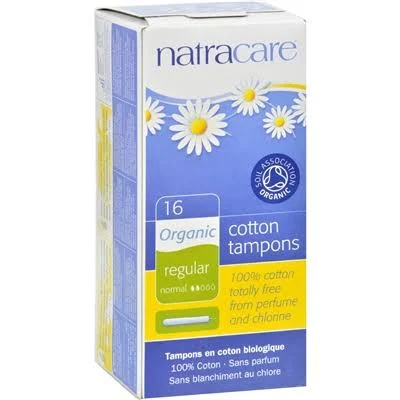
Natracare
100% Organic Cotton Tampons
- 100% organic cotton
- A third party reports verifying it as PFAS-free
- Heavy metals
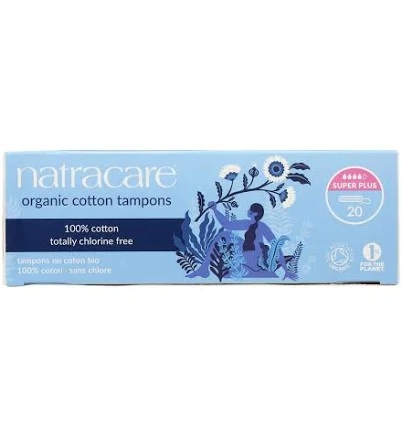
Natracare
Organic Super Plus Tampons, 3 x 20 ct
- organic cotton, cardboard applicator
- The brand calls it PFAS-free, which we have not verified
- Dioxins from bleaching
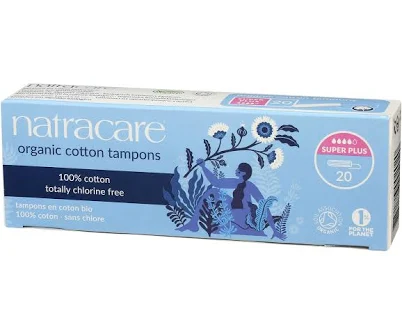
Natracare
Organic Cotton Super Plus Tampons
- organic cotton, no added fluorochemicals
- The brand calls it PFAS-free, which we have not verified
- Verified PFAS-free by a third party
More tampons grades
How we score, every product runs through the same public 0-100 rubric based on materials, coatings, brand disclosure, lab findings, and recalls. See the full methodology → Spotted a mistake? Report an error.