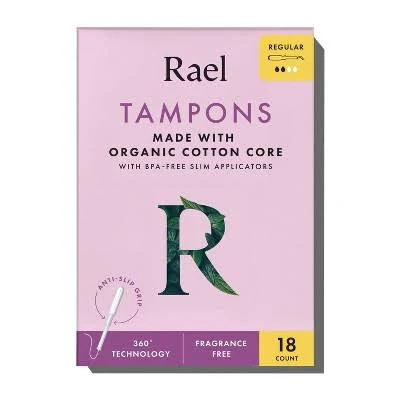
Rael Slim Applicator Tampons with Organic Cotton BPA-Free
Organic cotton core lower concern, applicator composition undisclosed.
Core material is organic cotton, which inherently avoids PFAS. Applicator material and any coatings are not publicly disclosed. Brand makes no PFAS claims.
We flunk more products than we pass. This one earned its grade. How we grade
Material
organic cotton, applicator material unspecified
Brand disclosure
Brand is silent on PFAS
Lab data
No public lab test
What Rael Slim Applicator Tampons with Organic is made of, ingredients and materials
Rael uses certified organic cotton for the absorbent core, which eliminates synthetic pesticide residues common in conventional cotton tampons. The applicator material is stated as BPA-free plastic but the specific polymer (polypropylene vs. polyethylene) is not disclosed on publicly available packaging or the brand website. Organic cotton does not eliminate all processing chemicals (bleach, dyes), but third-party certification (GOTS or similar) typically restricts these to safer alternatives. The BPA-free designation addresses one endocrine disruptor but does not certify the absence of other plasticizers like BPS or phthalates in the applicator.
What’s concerning
Category baseline
The starting point for this type of product, before anything specific to this product is counted.
No PFAS disclosure
No public statement from the brand about PFAS in this product.
Plasticizer leaching (applicator polymer)
BPA-free does not exclude BPS, phthalates, or other plasticizers in the undisclosed plastic applicator material. Leaching risk during storage or insertion is low but not ruled out; internal contact with mucous membranes increases absorption potential relative to non-menstrual plastics.
Residual bleach and dyes in organic cotton
Even GOTS-certified organic cotton may retain trace chlorine-based bleaching agents or synthetic dyes applied during processing. Individual sensitivity varies; generally considered low-risk in this application but documented cases of irritation exist in sensitive users.
Bacterial colonization if stored in humid environments
All tampons, including organic cotton variants, can support bacterial growth if stored in damp conditions or exposed to water before opening. This is a usage issue rather than a design or material defect specific to this brand.
Allergen or irritant sensitivity to cotton processing residues
Organic certification reduces pesticide load but does not eliminate all processing chemicals. Some users report irritation from bleach residue, formaldehyde-releasing finishes, or dye molecules; incidence is lower than conventional tampons but not zero.
What’s reassuring
Base material not linked to PFAS
The main material recorded for this product is not one associated with PFAS.
Applicator degradation and microplastic shedding
No reported cases of fragmentation or microplastic shedding from Rael or comparable BPA-free plastic applicators have been documented in scientific literature or recalls. Risk increases if applicator is bent, cracked, or exposed to thermal stress before use.
The full breakdown
The brand's record and disclosure
Rael markets explicitly on organic, non-toxic positioning but provides minimal technical disclosure about applicator composition, manufacturing process, or independent testing beyond the BPA-free claim. No major safety recalls, contamination reports, or regulatory actions have been documented in publicly available sources. The brand does not appear to have published a PFAS stance or supply-chain transparency report, which is typical for smaller direct-to-consumer period-care brands. Certification claims should be verified on packaging (GOTS, FSC, or other third-party seals).
How it compares in its category
Organic cotton tampons with plastic applicators occupy the mid-range safety profile in period care. They avoid the pesticide load of conventional cotton but sit below 100% cardboard-applicator or reusable menstrual cup options in terms of material minimalism. Competitors like Seventh Generation and Cora offer similar organic cotton with more transparent applicator material disclosure. Rael's direct-to-consumer model and mid-market price point suggest comparable safety controls to established mainstream brands without the regulatory overhead of large corporate manufacturers.
If you buy it
Store in a cool, dry place away from moisture to prevent mold or bacterial growth in the unopened packaging. Do not expose to heat (car dashboards, direct sun) which can degrade plastic applicators and theoretically increase leaching, though practical risk is low for short-term storage. Replace immediately if applicator cracks or shows discoloration before use. Discontinue use if any allergic reaction or irritation occurs; organic certification does not guarantee individual tolerance to dyes or residual bleach used in processing.
What we don’t know
- Basis
- Model estimate, 72% confidence, not a lab result
- Lab test
- None on record for this exact product
- Brand statement
- Rael has made none
Formulations change between production runs, so check the current label. How we grade.
Better-graded alternatives in Tampons
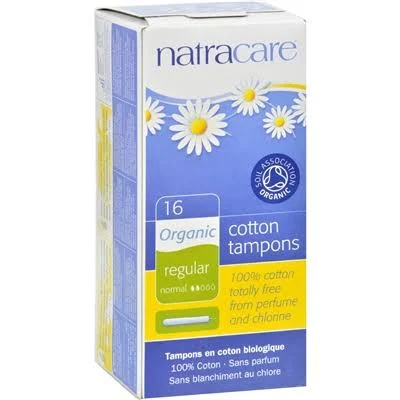
Natracare
100% Organic Cotton Tampons
- 100% organic cotton
- A third party reports verifying it as PFAS-free
- Heavy metals
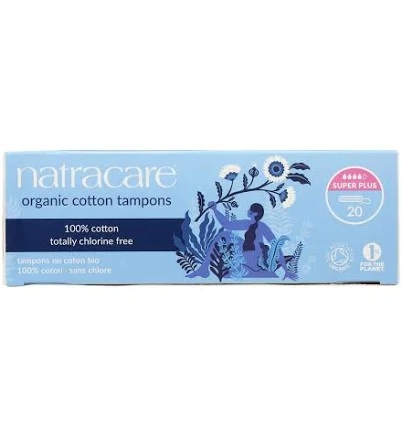
Natracare
Organic Super Plus Tampons, 3 x 20 ct
- organic cotton, cardboard applicator
- The brand calls it PFAS-free, which we have not verified
- Dioxins from bleaching
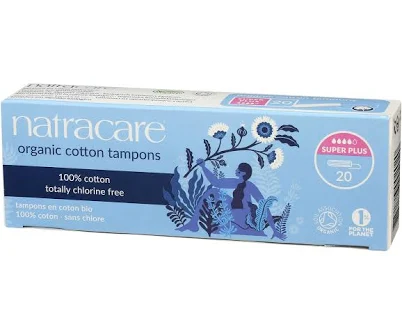
Natracare
Organic Cotton Super Plus Tampons
- organic cotton, no added fluorochemicals
- The brand calls it PFAS-free, which we have not verified
- Verified PFAS-free by a third party
More tampons grades
How we score, every product runs through the same public 0-100 rubric based on materials, coatings, brand disclosure, lab findings, and recalls. See the full methodology → Spotted a mistake? Report an error.