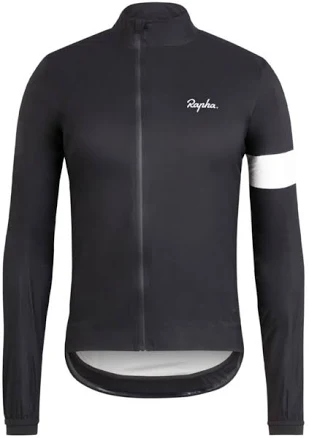
Rapha Men's Core Rain II Jacket
Rain jacket with water-repellent coating treatment, PFAS status unknown; skip without disclosure.
Rapha does not disclose PFAS or water-repellent coating chemistry for this rain jacket. Traditional water-repellent coating finishes often contain PFAS; confirmation needed before purchase.
Still want this one anyway? Check the price on Amazon. We’d swap it.
Material
Nylon with water-repellent coating finish
Brand disclosure
Brand is silent on PFAS
Lab data
No public lab test
You may also be interested in
Top-graded picks in the categories readers replace first, every one scored on the same rubric.

Aqua Pure
3M Aqua-Pure AP802B Whole House Filter Housing
- polypropylene filter housing, carbon/sediment cartridge
- We found no PFAS statement from the brand
- Bacterial growth in spent cartridges
3 hazards checked on this product. See all of them.

Aquasure
Premier Series 75 GPD Under Sink Reverse Osmosis Water Filtration System
- RO membrane, carbon filters, stainless steel housing
- We found no PFAS statement from the brand
- Bacterial and microbial growth in housing and filters
4 hazards checked on this product. See all of them.

Avocado
Vegan Mattress
- organic cotton, natural latex, coconut coir, recycled steel coils
- The brand calls it PFAS-free, which we have not verified
- Heavy metals
2 hazards checked on this product. See all of them.
What Rapha Men's Core Rain II Jacket is made of, ingredients and materials
The Rapha Core Rain II is constructed from nylon with a water-repellent coating (water-repellent coating) finish applied to the surface. water-repellent coating coatings on technical apparel are traditionally formulated with PFAS compounds, which bond to fibers and resist washing. Nylon itself is stable and non-toxic at skin contact; the hazard profile depends entirely on the water-repellent coating chemistry, which Rapha has not publicly disclosed for this model.
What’s concerning
Waterproof / stain-resistant treatment
Water-repellent coating treatments have historically used PFAS.
Category baseline
The starting point for this type of product, before anything specific to this product is counted.
No PFAS disclosure
No public statement from the brand about PFAS in this product.
Coating degradation and microparticle shedding
Water-repellent coating coatings break down with age and washing, potentially releasing microscopic particles or coating fragments. Long-term skin or inhalation exposure risk is unquantified, but heavily worn jackets may shed more than intended.
Skin sensitization from water-repellent coating or finishes
Some individuals report localized irritation from prolonged contact with heavily treated technical fabrics. No clinical data specific to Rapha exists; risk is individual and typically mild.
What’s reassuring
Formaldehyde / VOCs
Nylon apparel does not typically require formaldehyde-based wrinkle-resist or shrink-control treatments. No established recalls or warnings exist for formaldehyde in Rapha cycling wear.
Source, ATSDR ↗Azo dyes (colorants)
Rapha jackets are manufactured to EU and UK textile standards, which restrict carcinogenic azo dyes. No specific hazard is documented for the Core Rain II colorway or dyeing process.
Antimony in polyester (not primary risk for nylon jacket)
This jacket is nylon, not polyester; antimony is a polyester catalyst and not relevant here. No hazard identified.
The full breakdown
The brand's record and disclosure
Rapha is a cycling-focused performance brand with no published PFAS elimination timeline or transparency statement on this product line. The brand does not advertise PFAS-free water-repellent coating treatments or provide third-party test results for water-resistance coatings. This silence is notable in a sector where competitors (Arc'teryx, Patagonia) have begun transitioning to PFAS alternatives or disclosed their current status.
How it compares in its category
Most mid-to-premium nylon rain jackets still use PFAS-based water-repellent coating; this is an industry norm rather than a Rapha outlier. Patagonia has publicly committed to phasing PFAS water-repellent coating and offers some PFAS-free options; Arc'teryx discloses its use but funds research into replacements. The Rapha Core Rain II sits in the silent-disclosure tier alongside many heritage outdoor brands that have not yet made public commitments.
If you buy it
Wash separately in cold water and avoid high heat (which can degrade nylon and potentially mobilize coatings). Do not tumble dry; air dry flat to preserve water-repellent coating integrity. Expect water-repellent coating performance to diminish after 30-50 washes; reapplication products are available but will reintroduce PFAS unless explicitly labeled PFAS-free. Consider resale or repair to extend product life if the jacket remains functional.
What we don’t know
- Basis
- Model estimate, 35% confidence, not a lab result
- Lab test
- None on record for this exact product
- Brand statement
- Rapha has made none
Formulations change between production runs, so check the current label. How we grade.
Better-graded alternatives in Cycling Rain Jackets
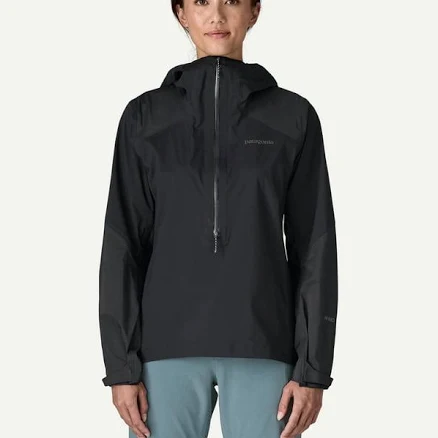
Patagonia
Women's Dirt Roamer Storm Jacket
- polyester shell with water-repellent coating finish
- The brand calls it PFAS-free, which we have not verified
- Azo dyes and color fastness
4 hazards checked on this product. See all of them.
Find an alternative on Amazon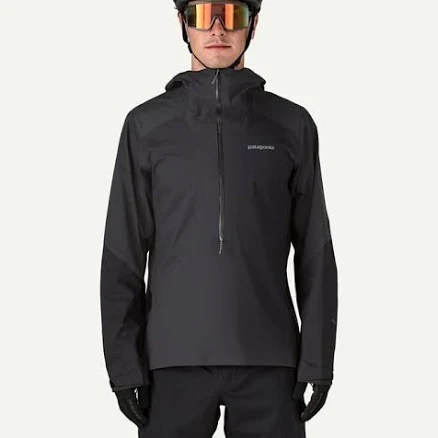
Patagonia
Men's Dirt Roamer Storm Jacket
- nylon/polyester with water-repellent coating water treatment
- The brand calls it PFAS-free, which we have not verified
- PFAS
3 hazards checked on this product. See all of them.
Find an alternative on Amazon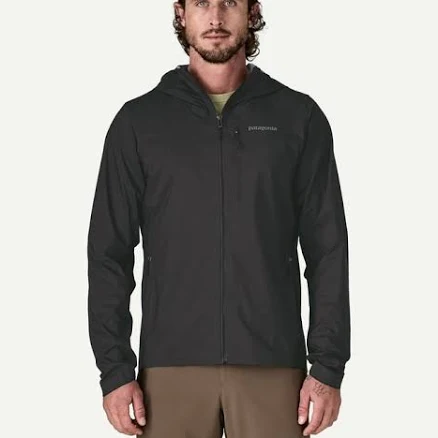
Patagonia
Men's Trail Craft Jacket
- Nylon with water-repellent coating water-repellent coating finish
- The brand calls it PFAS-free, which we have not verified
- water-repellent coating chemistry opacity (fluorinated vs. non-fluorinated)
3 hazards checked on this product. See all of them.
Find an alternative on AmazonMore cycling rain jackets grades
How we score, every product runs through the same public 0-100 rubric based on materials, coatings, brand disclosure, lab findings, and recalls. See the full methodology → Spotted a mistake? Report an error.