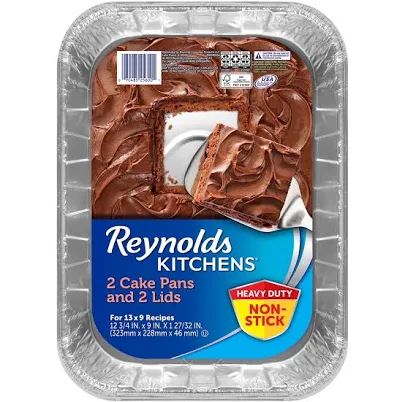
Reynolds Kitchens Aluminum Pans with Lids
Unknown coating type; PFAS use not disclosed. Skip if concerned.
Reynolds does not disclose coating composition or PFAS status for these aluminum pans. Non-stick cookware often contains PFAS, but specifics are unavailable here.
The better-graded swap
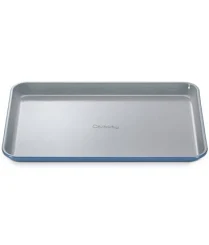
Caraway
Caraway Nonstick Ceramic Medium Baking Sheet
100/100 safety
Same rubric that flunked this product. The swap earned Excellent.
Still want this one anyway? Check the price on Amazon. We’d swap it.
Material
aluminum with unspecified non-stick coating
Lab data
No public lab test
Are Reynolds Kitchens Aluminum Pans with Lids non-toxic? What it is made of
Reynolds Kitchens aluminum pans use a lightweight aluminum core, which conducts heat efficiently but is softer and more reactive than stainless steel. The product includes an unspecified non-stick coating applied to the cooking surface. Aluminum itself can leach into acidic foods (tomatoes, vinegar, citrus) when the protective coating is compromised, though the health significance of dietary aluminum remains debated among toxicologists. The non-stick coating type is not publicly disclosed by Reynolds, making independent assessment of its chemical safety impossible.
What’s concerning
Category baseline
The starting point for this type of product, before anything specific to this product is counted.
No PFAS disclosure
No public statement from the brand about PFAS in this product.
Non-stick, chemistry undisclosed
Marketed as non-stick without stating the coating chemistry.
Non-stick coating degradation and aluminum leaching
Once the unspecified non-stick coating wears (scratches, heat damage, age), aluminum beneath becomes exposed to food contact. Acidic foods accelerate leaching; chronic dietary aluminum exposure remains a topic of scientific debate but is generally considered low-risk for most adults in small quantities.
Thermal degradation fumes from non-stick layer
Without disclosure of coating type, the risk of fume release at high heat (above 500F) cannot be ruled out. Teflon-type coating-based coatings are known to release potentially harmful vapors when overheated; ceramic and alternative coatings have lower fume risk but Reynolds has not confirmed which is used.
Coating adhesion failure and microparticle ingestion
If the non-stick layer flakes or peels during use, fragments may be ingested with food. The toxicity of ingested polymer particles is understudied, but visible flaking is a clear sign of product failure and replacement is warranted.
What’s reassuring
Heavy metals
No recalls or test reports of lead, cadmium, or other heavy metals in Reynolds aluminum non-stick cookware have been published. Reynolds does not use glazed ceramic finishes where such contamination is more common, but the proprietary non-stick chemistry remains unverified.
Source, FDA ↗The full breakdown
The brand's record and disclosure
Reynolds does not publicly disclose the specific non-stick chemistry used in this cookware line on product labels or website FAQs. The company has not published third-party testing results or certifications (e.g., GOTS, Greenguard) that would verify coating composition or PFAS absence. Reynolds has not responded to industry pressure regarding PFAS transparency in cookware, unlike some competitors who explicitly advertise PFOA-free or ceramic alternatives. This silence makes it difficult to assess whether the coating contains legacy PFAS, newer replacement chemicals, or neither.
How it compares in its category
Reynolds aluminum non-stick pans are mid-market cookware, cheaper than stainless steel or cast iron but less durable and transparent than branded alternatives like GreenPan or Our Place that publish coating certifications. Ceramic-coated cookware and Teflon-type coating-free brands have become standard in the premium segment and increasingly in mainstream retail, making Reynolds' lack of disclosure a competitive disadvantage. Disposable aluminum takeout pans (also Reynolds) are common, but these lidded pans imply longer-term kitchen use, where coating durability and chemical stability become relevant concerns. Most competing brands in this price range now explicitly state PFOA-free status; Reynolds does not.
If you buy it
Use these pans with temperatures below 400 degrees Fahrenheit to avoid accelerating non-stick coating degradation. Avoid cooking acidic foods (tomatoes, vinegar, wine) directly on the unlined aluminum, or use them briefly and then transfer to glass. Hand-wash rather than use dishwasher, which weakens non-stick layers over time. Replace the pan if the non-stick coating begins to peel, bubble, or flake; visible coating loss signals that aluminum leaching risk has increased. Do not use metal utensils or abrasive scrubbers.
What we don’t know
- Basis
- Model estimate, 35% confidence, not a lab result
- Lab test
- None on record for this exact product
- Brand statement
- Reynolds has made a specific claim
Formulations change between production runs, so check the current label. How we grade.
Better-graded alternatives in Bakeware
Caraway
Nonstick Ceramic Medium Baking Sheet
- ceramic nonstick coating
- A third party reports verifying it as PFAS-free
- Ceramic coating degradation over time
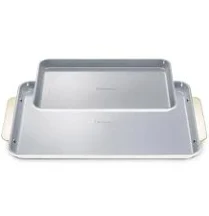
Caraway
Ceramic Nonstick Baking Sheet Duo
- ceramic nonstick coating
- A third party reports verifying it as PFAS-free
- Coating degradation and durability
2 hazards checked on this product. See all of them.

Caraway
Nonstick Ceramic Large Baking Sheet
- ceramic nonstick coating
- The brand calls it PFAS-free, which we have not verified
- Ceramic coating degradation and particle shedding
3 hazards checked on this product. See all of them.
More bakeware grades
How we score, every product runs through the same public 0-100 rubric based on materials, coatings, brand disclosure, lab findings, and recalls. See the full methodology → Spotted a mistake? Report an error.