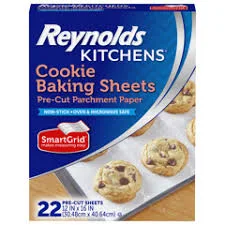
Reynolds Kitchens Cookie Baking Sheets, 22 pre-cut sheets
Limited data; coating identity unclear, PFAS risk uncertain.
Reynolds does not disclose the coating composition on these baking sheets. Parchment-style papers sometimes use PFAS-based repellents; confirmation needed from Reynolds before purchase.
The better-graded swap
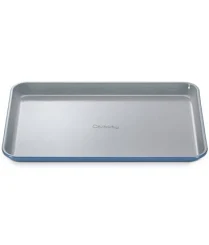
Caraway
Caraway Nonstick Ceramic Medium Baking Sheet
100/100 safety
Same rubric that flunked this product. The swap earned Excellent.
Still want this one anyway? Check the price on Amazon. We’d swap it.
Material
Coated paper sheets, coating unspecified
Lab data
No public lab test
Are Reynolds Kitchens Cookie Baking Sheets non-toxic? What it is made of
Reynolds pre-cut baking sheets are coated paper products designed for single-use in ovens. The coating composition is not publicly disclosed by Reynolds, which is standard for this product class. Coatings on food-contact paper typically include silicone, mineral oil, or wax-based materials; the specific chemistry here is proprietary. Because these sheets are single-use and temperatures during baking rarely exceed 425F, migration of coating components into food is expected to be minimal compared to reusable cookware.
What’s concerning
Category baseline
The starting point for this type of product, before anything specific to this product is counted.
No PFAS disclosure
No public statement from the brand about PFAS in this product.
Non-stick, chemistry undisclosed
Marketed as non-stick without stating the coating chemistry.
Coating migration (unidentified coating chemistry)
Coating identity is proprietary and not disclosed. At typical baking temperatures (350-425F), migration to food is expected to be low, but without disclosed composition, chemical identity risk cannot be fully ruled out.
Mineral oil or petroleum distillate residue in coating
Common food-contact paper coatings use mineral oil or paraffin wax. FDA permits these at low levels, but exact composition of Reynolds coating is undisclosed, so residue levels cannot be independently verified.
What’s reassuring
Thermal degradation of coating at high heat
No recalls or reports of coating breakdown at normal baking temperatures. Risk increases if sheets are misused above 450F, but typical cookie baking occurs well below this threshold.
Formaldehyde / VOCs
Paper products sometimes contain formaldehyde-releasing resins in coatings or sizing. No specific testing or complaints on record for Reynolds baking sheets; risk is typical of the paper-coating category but not documented for this brand.
Source, ATSDR ↗Packaging waste and environmental persistence
Single-use product; no direct consumer chemical safety hazard, but environmental impact of disposable use is relevant to overall product sustainability considerations.
The full breakdown
The brand's record and disclosure
Reynolds Kitchens has not published detailed chemical disclosures or third-party certifications (such as FDA pre-market notifications or NSF compliance) for this product line, which is typical of disposable food-contact paper manufacturers. The company has not faced major recalls or documented chemical safety controversies related to baking sheets. No independent testing of Reynolds cookie sheet coatings for regulated contaminants has been made public.
How it compares in its category
Single-use coated paper sheets occupy a lower-hazard position than reusable ceramic, metal, or non-stick cookware because they eliminate concerns about coating degradation, metal leaching, and multi-year accumulation of wear. Compared to generic parchment paper, Reynolds pre-cut sheets offer convenience at the cost of slightly higher cost and packaging waste. Reusable silicone baking mats avoid single-use waste but carry similar PFAS coating uncertainty in some brands.
If you buy it
Use sheets only at the manufacturer's recommended temperature (typically up to 420F). Do not reuse sheets; they are designed for single application only. Store in a cool, dry location away from direct heat and light to prevent coating degradation before use. If you notice discoloration, odor, or visible wear on the sheet surface before baking, discard it. Ensure oven racks are clean to prevent sheet sticking and tearing, which could leave residue on food.
What we don’t know
- Basis
- Model estimate, 35% confidence, not a lab result
- Lab test
- None on record for this exact product
- Brand statement
- Reynolds has made a specific claim
Formulations change between production runs, so check the current label. How we grade.
Better-graded alternatives in Bakeware
Caraway
Nonstick Ceramic Medium Baking Sheet
- ceramic nonstick coating
- A third party reports verifying it as PFAS-free
- Ceramic coating degradation over time
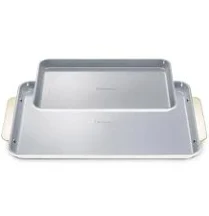
Caraway
Ceramic Nonstick Baking Sheet Duo
- ceramic nonstick coating
- A third party reports verifying it as PFAS-free
- Coating degradation and durability
2 hazards checked on this product. See all of them.

Caraway
Nonstick Ceramic Large Baking Sheet
- ceramic nonstick coating
- The brand calls it PFAS-free, which we have not verified
- Ceramic coating degradation and particle shedding
3 hazards checked on this product. See all of them.
More bakeware grades
How we score, every product runs through the same public 0-100 rubric based on materials, coatings, brand disclosure, lab findings, and recalls. See the full methodology → Spotted a mistake? Report an error.