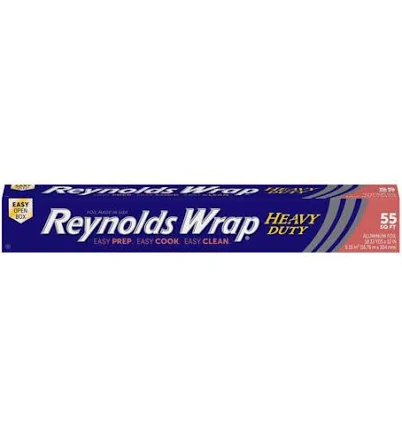
Reynolds Aluminum Foil Wrap Heavy Duty
Lower concern since plain aluminum foil carries minimal PFAS risk, though the brand offers no explicit statement.
Reynolds Wrap Heavy Duty is plain aluminum foil with no chemical coatings, nonstick treatments, or water-repellent finishes. Aluminum foil itself does not inherently contain or require PFAS, and Reynolds makes no claims otherwise.
We flunk more products than we pass. This one earned its grade. How we grade
Material
Aluminum foil, uncoated
Lab data
No public lab test
You may also be interested in
Top-graded picks in the categories readers replace first, every one scored on the same rubric.

- polypropylene filter housing, carbon/sediment cartridge
- We found no PFAS statement from the brand
- Bacterial growth in spent cartridges
3 hazards checked on this product, all on its full breakdown.

Aquasure
Premier Series 75 GPD Under Sink Reverse Osmosis Water Filtration System
- RO membrane, carbon filters, stainless steel housing
- We found no PFAS statement from the brand
- Bacterial and microbial growth in housing and filters
4 hazards checked on this product, all on its full breakdown.

Avocado
Vegan Mattress
- organic cotton, natural latex, coconut coir, recycled steel coils
- The brand calls it PFAS-free, which we have not verified
- Heavy metals
2 hazards checked on this product, all on its full breakdown.
What Reynolds Aluminum Foil Wrap Heavy Duty is made of, ingredients and materials
Reynolds Heavy Duty Aluminum Foil is pure aluminum metal (typically 98.5% aluminum, 1.5% alloy additives for strength). Uncoated foil has no polymer layer, adhesive, or chemical finish that could leach into food. The primary concern with aluminum cookware is leaching of the metal itself into acidic or salt-containing foods, but foil contact is typically brief and non-heated in most food wrapping applications, minimizing this route.
What’s concerning
Category baseline
The starting point for this type of product, before anything specific to this product is counted.
No PFAS disclosure
No public statement from the brand about PFAS in this product.
Aluminum leaching (acidic/salt contact)
Uncoated aluminum can release trace aluminum ions when in prolonged contact with acidic foods (citrus, vinegar, tomato) or high-salt items. Risk is minimal for typical wrapping use (minutes to hours) and at room temperature; heating accelerates leaching slightly. Total dietary aluminum exposure from foil wrapping is considered low relative to other sources (baking powder, antacids).
Metal particle shedding
Microscopic aluminum particles can occasionally transfer to food if foil is heavily creased, torn, or rubbed during wrapping. Heavy duty foil reduces this risk due to greater thickness and durability. Ingested aluminum particles in small amounts are not established as a toxicological hazard, though unnecessary ingestion should be minimized.
Thermal stability under high heat
Aluminum foil is thermally stable up to approximately 660 degrees Celsius (1220 Fahrenheit), well above typical cooking temperatures. However, direct contact with high-heat sources or charring can produce aluminum oxide fragments and oxidative byproducts. Avoid direct contact with open flame or very high broiler temperatures for extended periods.
What’s reassuring
Base material not linked to PFAS
The main material recorded for this product is not one associated with PFAS.
Coating degradation (if any processing residue present)
Reynolds Heavy Duty Wrap is uncoated; no polymer or chemical finish is applied that could degrade or release over time. Manufacturing residues (oils, lubricants) are minimal and food-contact compliant.
Migration of printing inks or adhesives (packaging)
The foil itself is uncoated and unprinted. The cardboard roll housing may contain printing inks, but these do not contact the foil material and are not a food-safety vector.
How is this PFAS grade calculated?
The brand's record and disclosure
Reynolds Wrap does not publish detailed safety certifications or hazard disclosures on their website; the brand's stance on PFAS is silent, which is typical for aluminum foil manufacturers since uncoated foil is not a known PFAS vector. No major recalls or chemical contamination incidents have been documented for Reynolds Wrap aluminum foil in publicly available databases. The product complies with FDA regulations for food-contact materials (21 CFR 182.2727).
How it compares in its category
Aluminum foil is a lower concern material in the food wrapping category because it is chemically inert and non-leaching at room temperature. It poses fewer chemical hazards than plastic wraps (which may contain phthalates or BPA) or coated papers (which sometimes include PFAS-containing moisture barriers). Heavy duty thickness presents lower concern than standard foil because it is less prone to tearing and metal particle shedding.
If you buy it
Store in a cool, dry place away from acidic foods in direct contact if wrapping for long periods; brief wrapping is low-risk. Do not use in microwave or direct flame, as foil can char or create electrical arcing. Heavy duty foil has greater durability than standard, reducing the risk of puncture and small metal fragments. Replace rolls if the surface appears heavily pitted or discolored after long storage, though this is rare with Reynolds products.
What is not known about PFAS in this product?
- Basis
- Model estimate, 82% confidence, not a lab result
- Lab test
- None on record for this exact product
- Brand statement
- Reynolds has made a specific claim
Formulations change between production runs, so check the current label. How we grade.
What are the PFAS-free alternatives to Reynolds Aluminum Foil Wrap Heavy Duty?
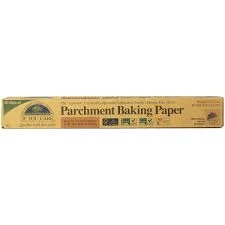
- silicone-coated parchment paper
- The brand calls it PFAS-free, which we have not verified
- Silicone coating degradation at extreme heat
2 hazards checked on this product, all on its full breakdown.
More fast food wrappers grades
How we score, every product runs through the same public 0-100 rubric based on materials, coatings, brand disclosure, lab findings, and recalls. See the full methodology → Spotted a mistake? Report an error.