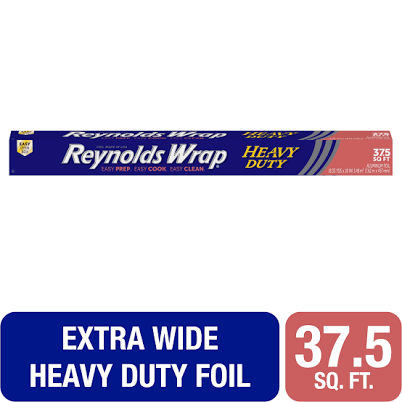
Reynolds Wrap Aluminum Foil
Lower concern since plain aluminum foil has minimal PFAS risk, but grease-resistant coating warrants caution with fatty foods.
Reynolds Wrap is primarily aluminum, a lower-PFAS-risk material. Standard aluminum foil carries a thin release coating, typically silicone, though some products have used Teflon-family coating-based treatments. Reynolds does not disclose coating details or make PFAS-free claims.
The better-graded swap
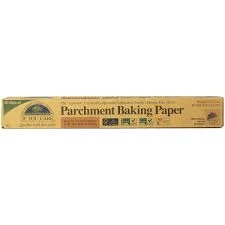
If You Care
If You Care Parchment Baking Paper
90/100 safety
Same rubric that flunked this product. The swap earned Excellent.
Still want this one anyway? Check the price on Amazon. We’d swap it.
Material
Aluminum foil with silicone-based release coating
Lab data
No public lab test
You may also be interested in
Top-graded picks in the categories readers replace first, every one scored on the same rubric.

- polypropylene filter housing, carbon/sediment cartridge
- We found no PFAS statement from the brand
- Bacterial growth in spent cartridges
3 hazards checked on this product, all on its full breakdown.

Aquasure
Premier Series 75 GPD Under Sink Reverse Osmosis Water Filtration System
- RO membrane, carbon filters, stainless steel housing
- We found no PFAS statement from the brand
- Bacterial and microbial growth in housing and filters
4 hazards checked on this product, all on its full breakdown.

Avocado
Vegan Mattress
- organic cotton, natural latex, coconut coir, recycled steel coils
- The brand calls it PFAS-free, which we have not verified
- Heavy metals
2 hazards checked on this product, all on its full breakdown.
What Reynolds Wrap Aluminum Foil is made of, ingredients and materials
Reynolds Wrap is pure aluminum foil with a thin silicone-based release coating on one side to prevent sticking. Aluminum itself does not leach appreciably into food at normal pH levels, but acidic or salty foods can increase migration slightly. The silicone coating is heat-stable up to typical food-handling temperatures (below 400°F for direct contact). Once you exceed that threshold or use it with high-fat foods at high heat, coating breakdown becomes possible, though this does not produce toxic fumes like Teflon-type coating.
What’s concerning
Category baseline
The starting point for this type of product, before anything specific to this product is counted.
No PFAS disclosure
No public statement from the brand about PFAS in this product.
Waterproof / stain-resistant treatment
Water-repellent coating treatments have historically used PFAS.
Aluminum leaching
Acidic (pH below 6.5) or salty foods can cause minor aluminum migration into food. While the amount is typically small and within FDA guidelines for single-use food contact, frequent or long-term use with acidic sauces may accumulate exposure over time.
Silicone coating degradation at high heat
The release coating is designed for food safety but can break down above 400°F, especially in direct contact with fatty foods. No evidence of toxic fume generation like Teflon-type coating, but micro-fragments or coating residue transfer to food is theoretically possible under extreme misuse.
What’s reassuring
Moisture and oxygen barrier loss over time
Plain aluminum foil does not off-gas formaldehyde or VOCs. However, if foil is crinkled or punctured during storage, its barrier properties diminish and food inside may dry out or oxidize faster; this is a function of product damage, not chemical hazard.
Lead
Reynolds Wrap aluminum foil has no public record of lead or cadmium contamination. Food-contact aluminum is subject to FDA regulations; major US brands comply with heavy metal limits for single-use food contact materials.
Source, ATSDR ↗Silicone coating allergen or irritant potential
Silicone itself is hypoallergenic and not a known food allergen or irritant at the trace levels present in foil coatings. No documented adverse reactions from food wrapped in standard coated aluminum foil.
How is this PFAS grade calculated?
The brand's record and disclosure
Reynolds is a major US producer with no documented recalls for chemical contamination of plain aluminum foil. The company publishes basic safety information but does not provide independent third-party testing or detailed ingredient disclosures for the release coating formulation. No public controversies regarding heavy metals, formaldehyde, or other regulated hazards in standard foil products have been reported. Reynolds has been silent on PFAS in food-contact coatings industry-wide.
How it compares in its category
Aluminum foil is a material not linked to PFAS concerns in single-use food wrapping applications for short-term contact, as it is chemically stable and non-leaching under normal conditions. It outperforms plastic-coated paper or some silicone-treated parchments in terms of documented chemical safety. Uncoated aluminum foil exists but is less convenient; Reynolds' coated version is standard and poses no significantly higher risk than competitor brands like store-label foils. Comparison, foil is lower hazard than wax paper (potential paraffin additives) or plastic wrap (BPA/plasticizer risk).
If you buy it
Do not heat foil above 400°F directly against fatty foods (e.g., bacon, oily meats), as the silicone coating can degrade and coating fragments may transfer. Acidic foods like tomato sauce will cause minor aluminum migration; this is generally regarded as presenting lower concern at typical consumption levels, but vulnerable populations (renal disease) should limit prolonged contact. Store foil in a cool, dry place; do not leave wrapped food in the foil for days at room temperature. Replace the roll if you see visible damage, discoloration, or if it has been stored near strong heat sources for extended periods.
What is not known about PFAS in this product?
- Basis
- Model estimate, 72% confidence, not a lab result
- Lab test
- None on record for this exact product
- Brand statement
- Reynolds has made a specific claim
Formulations change between production runs, so check the current label. How we grade.
What are the PFAS-free alternatives to Reynolds Wrap Aluminum Foil?
- silicone-coated parchment paper
- The brand calls it PFAS-free, which we have not verified
- Silicone coating degradation at extreme heat
2 hazards checked on this product, all on its full breakdown.
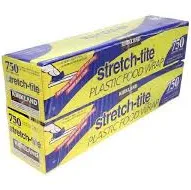
- Polyethylene (PE) film
- We found no PFAS statement from the brand
- Polyethylene film degradation under heat
2 hazards checked on this product, all on its full breakdown.
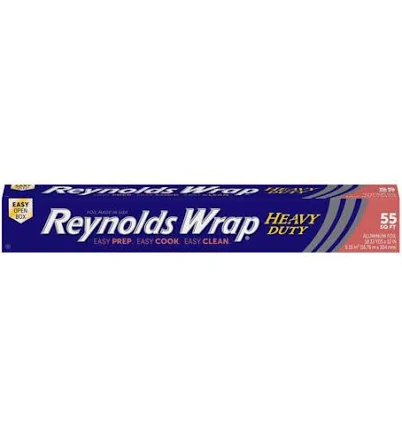
- Aluminum foil, uncoated
- Aluminum leaching (acidic/salt contact)
3 hazards checked on this product, all on its full breakdown.
More fast food wrappers grades
How we score, every product runs through the same public 0-100 rubric based on materials, coatings, brand disclosure, lab findings, and recalls. See the full methodology → Spotted a mistake? Report an error.