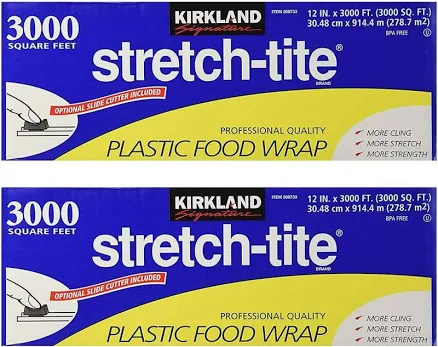
Kirkland Signature · Fast Food Wrappers
Signature Plastic Food Wrap - 6000 Sq. Ft (2 Pack, 12" X 3000 Sq. Ft
Proceed with caution since common plastic wrap category lacks disclosed coating chemistry.
Kirkland Signature plastic wrap is a commodity polyethylene film product. Standard food wraps often contain slip agents or release coatings to prevent sticking, but Kirkland does not disclose whether theirs includes PFAS-based additives.
The better-graded swap
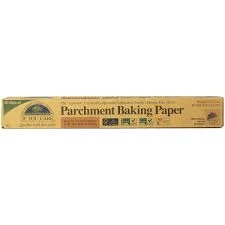
If You Care
If You Care Parchment Baking Paper
90/100 safety
Same rubric that flunked this product. The swap earned Excellent.
Still want this one anyway? Check the price on Amazon. We’d swap it.
Material
polyethylene (PE) with unclear slip/release coating
Brand disclosure
Brand is silent on PFAS
Lab data
No public lab test
You may also be interested in
Top-graded picks in the categories readers replace first, every one scored on the same rubric.

- polypropylene filter housing, carbon/sediment cartridge
- We found no PFAS statement from the brand
- Bacterial growth in spent cartridges
3 hazards checked on this product, all on its full breakdown.

Aquasure
Premier Series 75 GPD Under Sink Reverse Osmosis Water Filtration System
- RO membrane, carbon filters, stainless steel housing
- We found no PFAS statement from the brand
- Bacterial and microbial growth in housing and filters
4 hazards checked on this product, all on its full breakdown.

Avocado
Vegan Mattress
- organic cotton, natural latex, coconut coir, recycled steel coils
- The brand calls it PFAS-free, which we have not verified
- Heavy metals
2 hazards checked on this product, all on its full breakdown.
What Signature Plastic Food Wrap - 6000 Sq. is made of, ingredients and materials
Kirkland Signature plastic wrap is polyethylene (PE), a commodity plastic with low inherent toxicity. However, the slip/release coating chemistry is not publicly disclosed by Kirkland. Slip agents in food-contact PE wrap often include silicones or, historically, Teflon-type coating-based compounds, which can migrate into food under heat or with fatty foods. The lack of transparency on this coating is the primary safety concern for this product.
What’s concerning
Category baseline
The starting point for this type of product, before anything specific to this product is counted.
No PFAS disclosure
No public statement from the brand about PFAS in this product.
Waterproof / stain-resistant treatment
Water-repellent coating treatments have historically used PFAS.
Slip/release coating migration (undisclosed chemistry)
Kirkland does not disclose whether slip agents are silicones, Teflon-type coating, or other compounds. Heat, fatty foods (oils, cheese, butter), and acidic foods increase migration risk; cold-storage use mitigates this hazard substantially.
Microplastics
As the wrap ages or is stretched repeatedly, the slip coating can flake or degrade. Fragments may transfer to food, particularly if wrap is reused or stored long-term. Risk is low for single-use food contact but rises with extended storage or repeated handling.
Source, EPA ↗Volatile organic compound (VOC) off-gassing
Slip agents and processing residues in PE wrap can off-gas, particularly in warm environments or new rolls. Smell upon opening is common and typically dissipates; direct inhalation risk is minimal in normal use, but prolonged exposure in confined spaces (e.g., sealed food storage container) may elevate vapor concentration slightly.
Adhesion failure and product efficacy decline
Kirkland plastic wrap is noted by consumers to lose cling over time or with repeated unrolling. While not a direct safety hazard, poor adhesion increases food contact with external surfaces and may prompt users to layer wrap unsafely or extend use beyond intended lifespan, indirectly raising migration risk.
What’s reassuring
BPA & bisphenols
Polyethylene base resin does not require BPA or BPS as a component. No credible reports of BPA/BPS contamination in PE wrap exist. This hazard is not a concern for this product category.
Source, FDA ↗How is this PFAS grade calculated?
The brand's record and disclosure
Kirkland Signature (Costco's private label) does not publish ingredient or coating disclosure for its plastic wrap product. Costco has not issued public statements on PFAS use in food-contact plastics or committed to PFAS-free formulations in this category. No recalls or safety certifications specific to this wrap are on public record. The silent stance on coating chemistry is inconsistent with industry leaders who now disclose slip-agent safety data.
How it compares in its category
Most bulk plastic wraps (including Glad, Reynolds, and store brands) use undisclosed slip coatings, making Kirkland typical rather than distinctive. Some premium brands (e.g., If You Care) market Teflon-type coating-free and PFAS-free wrap, though at higher cost and with documented lower cling performance. Kirkland's bulk pricing reflects commodity-grade transparency and formulation; it occupies the middle ground of the market on safety disclosure.
If you buy it
Use this wrap for cold storage and room-temperature coverage only; do not allow it to contact hot or fatty foods directly. Keep wrap away from heat sources and do not microwave foods while wrapped. Replace the roll if the cling weakens substantially, as degraded coating particles may be present. Store in a cool, dry place and discard old rolls after 1-2 years of shelf storage to minimize off-gassing of volatile slip agents.
What is not known about PFAS in this product?
- Basis
- Model estimate, 45% confidence, not a lab result
- Lab test
- None on record for this exact product
- Brand statement
- Kirkland Signature has made none
Formulations change between production runs, so check the current label. How we grade.
What are the PFAS-free alternatives to Signature Plastic Food Wrap - 6000 Sq. Ft (2 Pack, 12" X 3000 Sq. Ft?
- silicone-coated parchment paper
- The brand calls it PFAS-free, which we have not verified
- Silicone coating degradation at extreme heat
2 hazards checked on this product, all on its full breakdown.
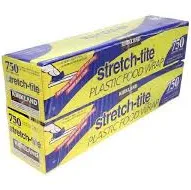
- Polyethylene (PE) film
- We found no PFAS statement from the brand
- Polyethylene film degradation under heat
2 hazards checked on this product, all on its full breakdown.
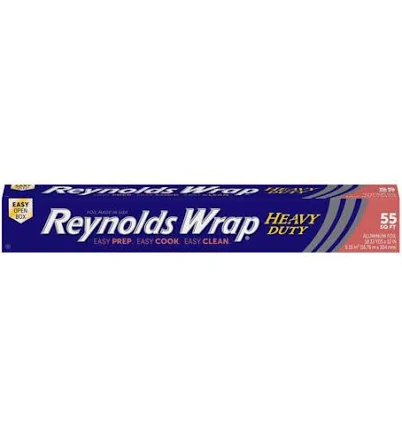
- Aluminum foil, uncoated
- Aluminum leaching (acidic/salt contact)
3 hazards checked on this product, all on its full breakdown.
More fast food wrappers grades
How we score, every product runs through the same public 0-100 rubric based on materials, coatings, brand disclosure, lab findings, and recalls. See the full methodology → Spotted a mistake? Report an error.