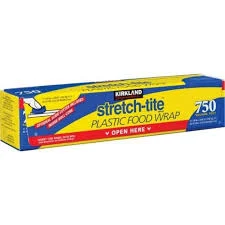
Kirkland Signature · Fast Food Wrappers
Kirkland Signature Stretch Tite Plastic Food Wrap
Standard plastic wrap with unknown slip treatment, lower concern than nonstick cookware, but coating composition not disclosed.
Kirkland Stretch Tite is a polyethylene-based cling wrap, which typically does not contain PFAS, but some brands add proprietary slip agents or coatings with undisclosed composition. Kirkland provides no PFAS statement, and no third-party testing or certification exists.
The better-graded swap
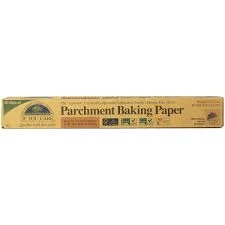
If You Care
If You Care Parchment Baking Paper
90/100 safety
Same rubric that flunked this product. The swap earned Excellent.
Still want this one anyway? Check the price on Amazon. We’d swap it.
Material
Polyethylene (PE) film with slip/stretch coating
Brand disclosure
Brand is silent on PFAS
Lab data
No public lab test
You may also be interested in
Top-graded picks in the categories readers replace first, every one scored on the same rubric.

- polypropylene filter housing, carbon/sediment cartridge
- We found no PFAS statement from the brand
- Bacterial growth in spent cartridges
3 hazards checked on this product, all on its full breakdown.

Aquasure
Premier Series 75 GPD Under Sink Reverse Osmosis Water Filtration System
- RO membrane, carbon filters, stainless steel housing
- We found no PFAS statement from the brand
- Bacterial and microbial growth in housing and filters
4 hazards checked on this product, all on its full breakdown.

Avocado
Vegan Mattress
- organic cotton, natural latex, coconut coir, recycled steel coils
- The brand calls it PFAS-free, which we have not verified
- Heavy metals
2 hazards checked on this product, all on its full breakdown.
What Kirkland Signature Stretch Tite Food Wrap is made of, ingredients and materials
Kirkland Stretch Tite is polyethylene (PE) film, a low-density plastic commonly used in food wrapping. PE itself is chemically stable and does not leach BPA, phthalates, or other endocrine disruptors at room temperature. The "stretch" and slip properties suggest an additive coating, likely a silicone or wax-based release agent, whose exact composition Kirkland does not disclose publicly. PE does not off-gas formaldehyde or volatile organic compounds under normal storage conditions.
What’s concerning
Category baseline
The starting point for this type of product, before anything specific to this product is counted.
No PFAS disclosure
No public statement from the brand about PFAS in this product.
Waterproof / stain-resistant treatment
Water-repellent coating treatments have historically used PFAS.
Microplastic shedding from heat exposure
PE film can fragment or shed particles if heated above manufacturer limits or if the film is damaged. Risk is low at cold/room temperatures but increases with microwave use or prolonged heat contact with food.
Migration of slip-coating additives
The undisclosed slip or stretch coating may include silicones, waxes, or other mold-release compounds. At room temperature, migration risk is minimal; migration increases if wrap is used hot or in contact with fatty foods (e.g., cheese, oils), though no documented health events are on record.
Degradation and brittleness over time
Consumer reviews note that Stretch Tite can become brittle or lose elasticity after 6-12 months of storage, especially if exposed to heat or sunlight. Degraded plastic may shed particles or lose its seal effectiveness, though no contamination from degradation has been formally documented.
What’s reassuring
BPA & bisphenols
PE does not contain or use BPA or common phthalates in its formulation. No reported contamination events in Kirkland wrap products.
Source, FDA ↗Formaldehyde / VOCs
PE film does not contain formaldehyde resins or produce off-gas under normal storage. No odor complaints or VOC releases documented for this product.
Source, ATSDR ↗How is this PFAS grade calculated?
The brand's record and disclosure
Kirkland Signature (Costco's house brand) does not publish material safety data sheets or ingredient transparency for food wrap products. No recalls specific to this wrap for chemical leaching or contamination are on record. Kirkland has not made public commitments to removing PFAS from formulations for kitchen products, and the slip-coating composition remains proprietary. The brand generally follows FDA compliance but does not exceed baseline safety standards through third-party certification.
How it compares in its category
Most PE food wraps (Glad, Saran, store brands) share similar construction and undisclosed slip treatments. Saran Wrap uses polyvinylidene chloride (PVDC), which is more chemically complex but equally free of known toxins at normal use. Silicone-based wraps and beeswax wraps are marketed as alternatives but cost 3-5x more and have shorter lifespans. Kirkland's wrap is mid-tier in price and hazard profile, with a concern level similar to mainstream competitors.
If you buy it
Use at room temperature or moderate refrigeration without concern. Do not microwave or heat above 140°F, as PE can soften and slip additives may migrate into food under heat stress. Replace if the film tears, becomes brittle, or loses stretch, as degradation can increase particle shedding. Store in a cool, dry place away from direct sunlight to slow degradation of the polymer matrix.
What is not known about PFAS in this product?
- Basis
- Model estimate, 58% confidence, not a lab result
- Lab test
- None on record for this exact product
- Brand statement
- Kirkland Signature has made none
Formulations change between production runs, so check the current label. How we grade.
What are the PFAS-free alternatives to Kirkland Signature Stretch Tite Plastic Food Wrap?
- silicone-coated parchment paper
- The brand calls it PFAS-free, which we have not verified
- Silicone coating degradation at extreme heat
2 hazards checked on this product, all on its full breakdown.
- Polyethylene (PE) film
- We found no PFAS statement from the brand
- Polyethylene film degradation under heat
2 hazards checked on this product, all on its full breakdown.
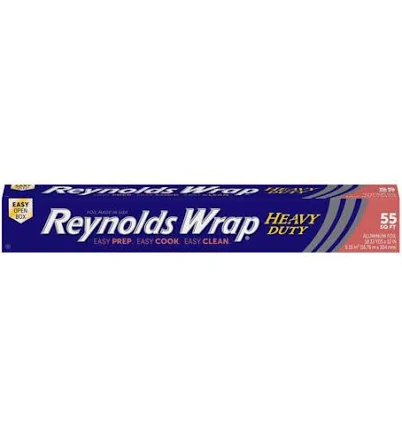
- Aluminum foil, uncoated
- Aluminum leaching (acidic/salt contact)
3 hazards checked on this product, all on its full breakdown.
More fast food wrappers grades
How we score, every product runs through the same public 0-100 rubric based on materials, coatings, brand disclosure, lab findings, and recalls. See the full methodology → Spotted a mistake? Report an error.