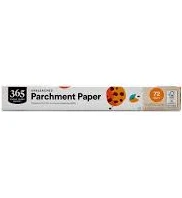
Unbleached Parchment · Fast Food Wrappers
365 by Whole Foods Market Unbleached Parchment Paper
Lower concern than bleached parchment, but coating composition remains unconfirmed, so proceed with modest caution.
Unbleached parchment paper typically uses silicone or non-fluorinated coatings, carrying lower PFAS risk than bleached varieties. However, 365 by Whole Foods makes no public disclosure about coating chemistry or PFAS status, and no third-party testing exists.
The better-graded swap
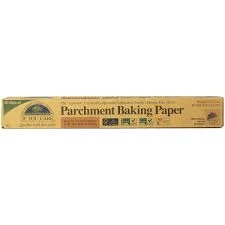
If You Care
If You Care Parchment Baking Paper
90/100 safety
Same rubric that flunked this product. The swap earned Excellent.
Still want this one anyway? Check the price on Amazon. We’d swap it.
Material
Unbleached paper with silicone coating
Brand disclosure
Brand is silent on PFAS
Lab data
No public lab test
You may also be interested in
Top-graded picks in the categories readers replace first, every one scored on the same rubric.

- polypropylene filter housing, carbon/sediment cartridge
- We found no PFAS statement from the brand
- Bacterial growth in spent cartridges
3 hazards checked on this product, all on its full breakdown.

Aquasure
Premier Series 75 GPD Under Sink Reverse Osmosis Water Filtration System
- RO membrane, carbon filters, stainless steel housing
- We found no PFAS statement from the brand
- Bacterial and microbial growth in housing and filters
4 hazards checked on this product, all on its full breakdown.

Avocado
Vegan Mattress
- organic cotton, natural latex, coconut coir, recycled steel coils
- The brand calls it PFAS-free, which we have not verified
- Heavy metals
2 hazards checked on this product, all on its full breakdown.
What 365 by Whole Foods Market Parchment Paper is made of, ingredients and materials
365 Unbleached Parchment Paper uses wood pulp that skips the chlorine bleaching step used in standard parchment, reducing exposure to bleaching byproducts. The paper is coated with silicone (not wax or Teflon-type coating) to provide heat resistance and non-stick properties. Unbleached pulp may retain trace lignin and other plant compounds that do not pose direct health risk but can migrate slightly under high heat. The silicone coating composition, including whether it contains PFAS precursors or additives, is not publicly disclosed by the brand.
What’s concerning
Category baseline
The starting point for this type of product, before anything specific to this product is counted.
No PFAS disclosure
No public statement from the brand about PFAS in this product.
Waterproof / stain-resistant treatment
Water-repellent coating treatments have historically used PFAS.
Silicone coating leaching under heat
Silicone itself is food-safe at normal temperatures, but the additives and catalysts in proprietary formulations are not disclosed. Heating above 450 degrees Fahrenheit or prolonged contact with acidic foods may increase microsilicone particle migration, though no adverse health outcomes have been documented in typical use.
Coating degradation and paper fragmentation
Over time or with repeated heating, silicone coatings can crack or peel, leaving bare paper pulp that may shed fibers onto food. This is a quality-of-life issue rather than a toxicity hazard but suggests the need for periodic replacement.
Incomplete disclosure of additives
Whole Foods does not publish full ingredient or processing additive lists for 365 Parchment Paper. Industry practice allows proprietary silicone formulations without public specification, so cross-contamination with fluorinated additives or catalytic residues cannot be ruled out independently.
PFAS
Although unbleached parchment avoids fluorine-based bleaching, the silicone coating itself may contain PFAS or polyfluorinated precursors used as slip agents or hydrophobic modifiers. The brand has not confirmed the absence of such compounds. This hazard is graded separately as PFAS but noted here for completeness.
Source, ATSDR ↗What’s reassuring
Lignin and minor plant compound retention in unbleached pulp
Unbleached paper retains trace lignin and phenolic compounds from wood. These do not pose established health risk in food contact, and unbleached pulp is widely accepted for food wrapping. No adverse effects specific to 365 Unbleached Parchment have been reported.
How is this PFAS grade calculated?
The brand's record and disclosure
Whole Foods Market (365 brand) does not publish detailed material safety data sheets or independent certifications for this parchment product. The brand has not made public statements on PFAS use or exclusion in its parchment line. No recalls or public safety complaints specific to 365 Unbleached Parchment Paper have been documented. The lack of transparency on coating ingredients reflects a broader industry pattern rather than a known safety failure.
How it compares in its category
Unbleached parchment is considered a lower-PFAS-risk alternative to bleached parchment, which historically used perfluorinated compounds in processing. However, unbleached parchment still requires a heat-resistant coating, and silicone-coated versions offer no advantage over bleached parchment if both use proprietary silicone formulations. Silicone-coated papers show lower concern than wax or fluorocarbon-coated alternatives for food contact. This product sits in the middle-to-safer range of the parchment category but does not stand out for transparency or third-party verification.
If you buy it
Use this product for temperatures up to 420-450 degrees Fahrenheit, which is within the stated heat tolerance of most silicone-coated parchments. Do not use on direct flame or allow paper to contact an oven element. Replace rolls if you notice yellowing, cracking, or persistent odor when heated, which can indicate coating breakdown. Store in a cool, dry place away from direct sunlight to prevent silicone degradation over time.
What is not known about PFAS in this product?
- Basis
- Model estimate, 62% confidence, not a lab result
- Lab test
- None on record for this exact product
- Brand statement
- Unbleached Parchment has made none
Formulations change between production runs, so check the current label. How we grade.
What are the PFAS-free alternatives to 365 by Whole Foods Market Unbleached Parchment Paper?
- silicone-coated parchment paper
- The brand calls it PFAS-free, which we have not verified
- Silicone coating degradation at extreme heat
2 hazards checked on this product, all on its full breakdown.
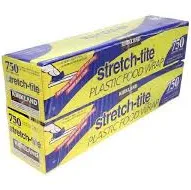
- Polyethylene (PE) film
- We found no PFAS statement from the brand
- Polyethylene film degradation under heat
2 hazards checked on this product, all on its full breakdown.
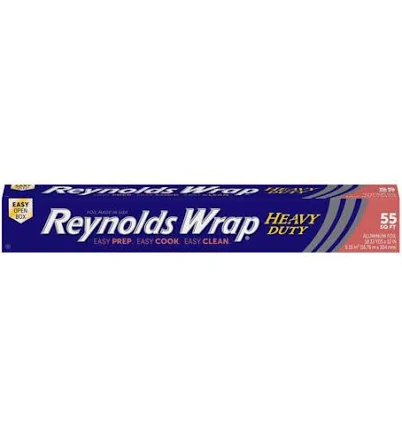
- Aluminum foil, uncoated
- Aluminum leaching (acidic/salt contact)
3 hazards checked on this product, all on its full breakdown.
More fast food wrappers grades
How we score, every product runs through the same public 0-100 rubric based on materials, coatings, brand disclosure, lab findings, and recalls. See the full methodology → Spotted a mistake? Report an error.