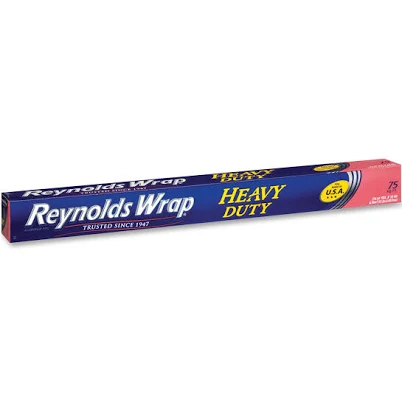
Reynolds Heavy Duty Aluminum Foil Roll
Lower concern since bare aluminum foil does not require PFAS treatments.
Reynolds Heavy Duty Aluminum Foil is bare aluminum with no coatings that would require PFAS for grease resistance or water repellency. Reynolds makes no PFAS claims, but the material itself carries minimal PFAS risk.
We flunk more products than we pass. This one earned its grade. How we grade
Material
aluminum foil (bare)
Lab data
No public lab test
You may also be interested in
Top-graded picks in the categories readers replace first, every one scored on the same rubric.

- polypropylene filter housing, carbon/sediment cartridge
- We found no PFAS statement from the brand
- Bacterial growth in spent cartridges
3 hazards checked on this product, all on its full breakdown.

Aquasure
Premier Series 75 GPD Under Sink Reverse Osmosis Water Filtration System
- RO membrane, carbon filters, stainless steel housing
- We found no PFAS statement from the brand
- Bacterial and microbial growth in housing and filters
4 hazards checked on this product, all on its full breakdown.

Avocado
Vegan Mattress
- organic cotton, natural latex, coconut coir, recycled steel coils
- The brand calls it PFAS-free, which we have not verified
- Heavy metals
2 hazards checked on this product, all on its full breakdown.
What Reynolds Heavy Duty Aluminum Foil Roll is made of, ingredients and materials
Reynolds Heavy Duty Aluminum Foil is pure aluminum metal (typically 98.5%+ purity) with no polymer coating, glaze, or enamel layer. Because it is bare metal with no synthetic surface treatment, it does not introduce concerns tied to coating degradation, Teflon-type coating fume release, or ceramic-based leachables. The 'heavy duty' designation refers to thickness (approximately 0.024 inches), which improves puncture resistance and heat distribution but does not change the material safety profile.
What’s concerning
Category baseline
The starting point for this type of product, before anything specific to this product is counted.
No PFAS disclosure
No public statement from the brand about PFAS in this product.
Aluminum leaching into acidic or salty foods
Bare aluminum is chemically reactive and can corrode slowly when in prolonged contact with acidic (low pH) or highly salty foods at room temperature or higher. Trace aluminum migration into food is possible under these conditions, though the total dietary exposure from occasional foil contact is considered low by FDA assessment. Risk is negligible for neutral or low-acid foods and short contact ti
Sharp edges and mechanical injury
Foil edges, especially when torn or crumpled, can be sharp and cause minor cuts to hands or mouth. This is a known consumer complaint but not a chemical safety hazard; proper handling and discarding damaged foil minimizes risk.
What’s reassuring
Base material not linked to PFAS
The main material recorded for this product is not one associated with PFAS.
Coating degradation and flaking
Reynolds Heavy Duty is bare metal with no synthetic coating; degradation, peeling, or flaking into food is not a documented concern for this product class.
Heavy metals
Commercial food-grade aluminum foil is refined to high purity standards and is not known to carry lead, cadmium, or other heavy metal contamination in published testing or recalls. Trace impurities are typically far below regulatory thresholds.
Source, FDA ↗Volatile organic compound (VOC) off-gassing
Bare aluminum does not off-gas VOCs or formaldehyde. Any odor from a new roll is from packaging adhesives or residual oils, not from the foil itself, and dissipates rapidly.
How is this PFAS grade calculated?
The brand's record and disclosure
Reynolds Metals Company (now owned by Alcoa) has held the dominant U.S. market position in food-wrap aluminum foil for decades with no established product recalls linked to chemical leaching or contamination. The company does not publish detailed PFAS testing data for bare foil products, which aligns with industry practice, bare aluminum foil is not treated with aqueous film-forming compounds and does not require such disclosure under current FDA guidance. No major environmental or safety controversies specific to Reynolds foil manufacturing have been published in mainstream consumer safety databases.
How it compares in its category
Reynolds Heavy Duty is the baseline standard for aluminum foil wrappers; competitors (store brands, Hefty) use identical bare-aluminum construction and pose equivalent safety profiles. Parchment paper and silicone-coated alternatives avoid aluminum entirely but carry their own material unknowns (silicone long-term stability, parchment chemical treatments). Plastic wrap products (PVC, LDPE) carry documented phthalate and plasticizer concerns that bare foil is not a material linked to; foil carries lower concern for plasticizer migration during direct food contact at high temperatures.
If you buy it
Bare aluminum foil is stable for all common food-contact temperatures (baking, wrapping, storage) and requires no special maintenance. Do not use in prolonged contact with acidic foods (citrus, vinegar) or salt at room temperature, as aluminum can corrode and trace amounts may migrate into food; for such foods, use parchment or a barrier layer. Crumpling and reuse present no hazard of this kind on record, but sharp edges can form; discard if torn or heavily creased. Store in a cool, dry place; the roll itself has no shelf-life limit.
What is not known about PFAS in this product?
- Basis
- Model estimate, 82% confidence, not a lab result
- Lab test
- None on record for this exact product
- Brand statement
- Reynolds has made a specific claim
Formulations change between production runs, so check the current label. How we grade.
What are the PFAS-free alternatives to Reynolds Heavy Duty Aluminum Foil Roll?
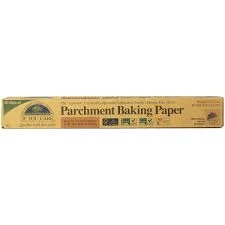
- silicone-coated parchment paper
- The brand calls it PFAS-free, which we have not verified
- Silicone coating degradation at extreme heat
2 hazards checked on this product, all on its full breakdown.
More fast food wrappers grades
How we score, every product runs through the same public 0-100 rubric based on materials, coatings, brand disclosure, lab findings, and recalls. See the full methodology → Spotted a mistake? Report an error.