If You Care · Fast Food Wrappers
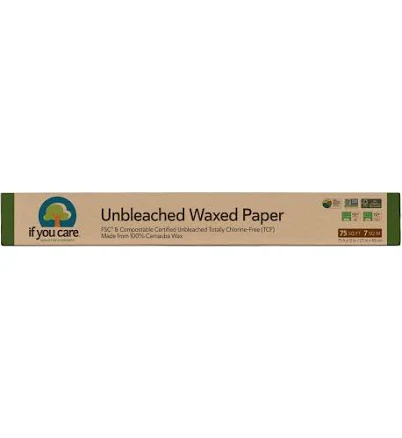
If You Care Waxed Paper
Lower PFAS concern since traditional wax paper is unlikely to contain PFAS, but no explicit brand statement.
If You Care Waxed Paper uses paraffin wax coating, a traditional formulation that does not inherently require PFAS. The brand does not disclose PFAS testing or claim PFAS-free status, and no lab verification exists.
The better-graded swap
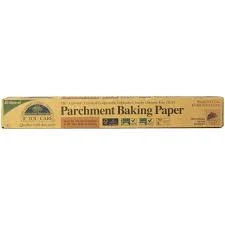
If You Care
If You Care Parchment Baking Paper
90/100 safety
Same rubric that flunked this product. The swap earned Excellent.
Still want this one anyway? Check the price on Amazon. We’d swap it.
Material
paper with wax coating (paraffin-based)
Brand disclosure
Brand is silent on PFAS
Lab data
No public lab test
You may also be interested in
Top-graded picks in the categories readers replace first, every one scored on the same rubric.

- polypropylene filter housing, carbon/sediment cartridge
- We found no PFAS statement from the brand
- Bacterial growth in spent cartridges
3 hazards checked on this product, all on its full breakdown.

Aquasure
Premier Series 75 GPD Under Sink Reverse Osmosis Water Filtration System
- RO membrane, carbon filters, stainless steel housing
- We found no PFAS statement from the brand
- Bacterial and microbial growth in housing and filters
4 hazards checked on this product, all on its full breakdown.

Avocado
Vegan Mattress
- organic cotton, natural latex, coconut coir, recycled steel coils
- The brand calls it PFAS-free, which we have not verified
- Heavy metals
2 hazards checked on this product, all on its full breakdown.
What If You Care Waxed Paper is made of, ingredients and materials
If You Care Waxed Paper is coated with paraffin wax, a food-grade petroleum byproduct that has been used in food contact for decades. Paraffin wax is non-toxic at normal use temperatures and does not leach into food under typical conditions. The paper substrate itself is bleached or unbleached cellulose. This combination is fundamentally different from plastic wraps or silicone coatings, which carry different chemical risks.
What’s concerning
Disclosed non-fluorinated coating
Coating is named and is not a fluorochemical (wax, paraffin, mink oil).
Category baseline
The starting point for this type of product, before anything specific to this product is counted.
No PFAS disclosure
No public statement from the brand about PFAS in this product.
Paraffin wax leaching
Paraffin wax is non-toxic and food-approved, but minor lipophilic migration into fatty foods is possible over extended contact. Risk is negligible for typical use (sandwiches, baked goods) but increases with prolonged contact with oils or high-fat foods.
Thermal degradation (smoke/fume inhalation)
If wax paper is exposed to direct flame or oven temperatures above 420F, paraffin can begin to break down and release irritant vapors. This is a usage error rather than product defect, but overheating is a common mishap in home kitchens.
Mold or microbial growth on stored rolls
Waxed paper stored in damp conditions can harbor mold on the paper substrate itself, though the wax coating resists moisture. Store in cool, dry conditions to avoid this; discard if visible mold appears on packaging or product.
What’s reassuring
Bleach residues in paper substrate
If You Care uses food-grade bleached paper, which is standard and regulated. No reports of harmful bleach residues in this product; chlorine-based bleach used in paper mills is tightly controlled by FDA for food contact materials.
Ink or printing contaminants
This product is typically unprinted or uses minimal, food-safe ink for branding. No reports of ink migration or contamination specific to If You Care waxed paper.
How is this PFAS grade calculated?
The brand's record and disclosure
If You Care is an established European brand (UK-based) with a focus on eco-friendly household products and has maintained a clean public safety record with no documented recalls or regulatory actions. The brand does not explicitly market PFAS-free status on packaging, which is common for traditional wax paper since paraffin is not associated with PFAS. The brand holds certifications including FSC for sustainable sourcing and has transparent ingredient labeling for food contact products.
How it compares in its category
Paraffin wax paper is a middle-ground choice between plastic cling wrap (BPA/phthalate risk) and uncoated parchment (requires higher heat tolerance and is less non-stick). It performs similarly to store-brand waxed papers but with stronger brand commitment to non-GMO and sustainable sourcing. Compared to silicone-coated papers, it avoids the potential siloxane leaching concern, though paraffin wax paper has lower heat resistance overall (typically 420F vs 480F+ for silicone).
If you buy it
Keep this product away from direct flame and high-temperature oven use above 420F to prevent wax breakdown and smoking. Do not microwave; paraffin wax can soften unpredictably in microwave heat. Replace sheets if visible damage, discoloration, or stickiness appears, which signals wax degradation. Store in a cool, dry place away from strong odors, as wax can absorb flavors. For greasy or acidic foods, replace every 1-2 uses to minimize wax contact with food over time.
What is not known about PFAS in this product?
- Basis
- Model estimate, 72% confidence, not a lab result
- Lab test
- None on record for this exact product
- Brand statement
- If You Care has made none
Formulations change between production runs, so check the current label. How we grade.
What are the PFAS-free alternatives to If You Care Waxed Paper?
- silicone-coated parchment paper
- The brand calls it PFAS-free, which we have not verified
- Silicone coating degradation at extreme heat
2 hazards checked on this product, all on its full breakdown.
- Polyethylene (PE) film
- We found no PFAS statement from the brand
- Polyethylene film degradation under heat
2 hazards checked on this product, all on its full breakdown.
- Aluminum foil, uncoated
- Aluminum leaching (acidic/salt contact)
3 hazards checked on this product, all on its full breakdown.
More fast food wrappers grades
How we score, every product runs through the same public 0-100 rubric based on materials, coatings, brand disclosure, lab findings, and recalls. See the full methodology → Spotted a mistake? Report an error.