Robens · Camping Tents & Tarps
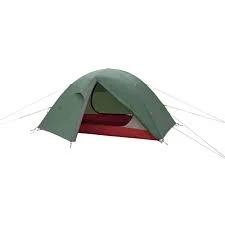
Robens Aster 2 Pro Backpacking Tents
Backpacking tent with unspecified water-repellent coating; PFAS risk unclear from manufacturer.
Polyester shell with waterproof treatment lacks brand disclosure about PFAS or water-repellent coating chemistry. Industry practice often involves fluorinated compounds.
Still want this one anyway? Check the price on Amazon. We’d swap it.
Material
Polyester fabric with water-repellent coating (water-repellent coating) coating
Brand disclosure
Brand is silent on PFAS
Lab data
No public lab test
What Robens Aster 2 Pro Backpacking Tents is made of, ingredients and materials
The Aster 2 Pro uses polyester fabric, a synthetic polymer that does not naturally repel water. To achieve water resistance, manufacturers apply a water-repellent coating (water-repellent coating) coating to the fabric surface. water-repellent coating formulations are where PFAS chemicals commonly hide, though some brands now use PFAS-free alternatives. Robens has not publicly specified which water-repellent coating chemistry they use on this model, leaving the PFAS exposure pathway unclear.
What’s concerning
Category baseline
The starting point for this type of product, before anything specific to this product is counted.
No PFAS disclosure
No public statement from the brand about PFAS in this product.
Waterproof / stain-resistant treatment
Water-repellent coating treatments have historically used PFAS.
PFAS
Robens has not disclosed the chemistry of the water-repellent coating treatment on the Aster 2 Pro. Traditional Teflon-family coating water-repellent coating coatings often contain PFAS; modern alternatives exist but are not confirmed here. Exposure during normal use is considered low, but manufacturing and end-of-life disposal may pose a hazard if PFAS-based.
Source, ATSDR ↗Coating degradation and leaching
All water-repellent coating coatings degrade over time with use and laundering, potentially releasing coating particles or residual chemicals. Robens does not publish guidance on recoating intervals; typical polyester tents require re-treatment every 5 to 10 years to maintain water repellency and limit exposure to aged coating breakdown products.
What’s reassuring
Azo dyes in polyester fabric
No public recall or safety alert exists for azo dyes in Robens tents. Polyester fabrics can contain azo dyes, which in rare cases may break down into aromatic amines; Robens does not certify to textile standards (e.g., OEKO-TEX) that would rule this out, so risk is unverified but typical for the category.
Formaldehyde / VOCs
Polyester itself does not require formaldehyde; however, dyes, finishes, and adhesives in tent construction can introduce trace formaldehyde. Robens provides no chemical disclosure, so presence is unknown. Off-gassing during initial use or storage is not documented as an issue with this brand.
Source, ATSDR ↗Antimony in polyester
Polyester may contain antimony trioxide as a catalyst or flame retardant; no evidence of elevated antimony in Robens products exists. Skin contact risk is negligible for intact fabric. This hazard is theoretical rather than documented for this product.
The full breakdown
The brand's record and disclosure
Robens is owned by Gelert, a subsidiary of the Blacks Leisure Group, and does not maintain a public materials transparency policy or PFAS commitment. The brand has not released certifications (such as Bluesign or OEKO-TEX) that would suggest third-party vetting of chemical inputs. No recalls or safety controversies specific to Robens tents appear in public records, but the lack of proactive disclosure about water-repellent coating chemistry is a red flag for conscious buyers.
How it compares in its category
Most mainstream backpacking tents use water-repellent coating coatings; few brands disclose whether they are PFAS-based or PFAS-free. Robens sits in the mid-market segment, competing with brands like MSR and Eureka, many of which also lack transparent water-repellent coating disclosure. Premium brands (e.g., Big Agnes, Nemo) and some eco-focused makers now explicitly label PFAS-free coatings, making them easier to compare if that is a priority for you.
If you buy it
Store the tent dry and well-ventilated indoors to avoid mold or mildew, which degrade polyester over time. water-repellent coating coatings naturally wear down with washing and UV exposure over years of use; plan to replace or re-treat the tent after 5 to 10 years of regular camping. Avoid machine washing; hand rinse with lukewarm water and mild soap, then air dry away from direct heat or sunlight to extend coating life. Do not bleach or use solvents, as these can damage both the polyester and water-repellent coating layer.
What we don’t know
- Basis
- Model estimate, 42% confidence, not a lab result
- Lab test
- None on record for this exact product
- Brand statement
- Robens has made none
Formulations change between production runs, so check the current label. How we grade.
More camping tents & tarps grades
How we score, every product runs through the same public 0-100 rubric based on materials, coatings, brand disclosure, lab findings, and recalls. See the full methodology → Spotted a mistake? Report an error.