Robens · Camping Tents & Tarps
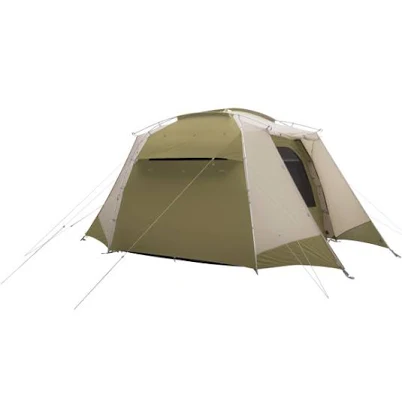
Robens Cobra Stone 5 Tent
Skip unless Robens discloses their waterproof treatment formula.
The Cobra Stone 5 combines polyester with waterproof coating, but Robens won't publicly disclose whether the water-repellent coating contains PFAS. Industry standard for tents has historically involved fluorocarbon-based coatings. Without testing or transparency, risk profile is unclear with low confidence.
Still want this one anyway? Check the price on Amazon. We’d swap it.
Material
Polyester fabric with waterproof/water-repellent coating (type unspecified)
Brand disclosure
Brand is silent on PFAS
Lab data
No public lab test
What Robens Cobra Stone 5 Tent is made of, ingredients and materials
The Cobra Stone 5 uses polyester fabric as its primary shell material, which is inherently non-toxic and does not leach chemicals into skin or food. However, the critical unknown is the waterproof and water-repellent coating (water-repellent coating) coating applied to that polyester. Most water-repellent coating treatments on budget camping tents historically relied on PFAS "forever chemicals" (PFAS), which are persistent in the environment and bioaccumulative. Robens has not publicly disclosed whether this specific tent uses fluorine-free or fluorine-based water-repellent coating chemistry.
What’s concerning
Category baseline
The starting point for this type of product, before anything specific to this product is counted.
No PFAS disclosure
No public statement from the brand about PFAS in this product.
Waterproof / stain-resistant treatment
Water-repellent coating treatments have historically used PFAS.
PFAS
No Robens disclosure of fluorine-free treatment for this model. Most polyester tents at this price point use PFAS-based water-repellent coating; assumed unless manufacturer confirms otherwise. PFAS can migrate into groundwater if tent is disposed in landfill and concentrates in aquatic environments.
Source, ATSDR ↗Volatile organic compound off-gassing from coating
New tent smell typically reflects solvent residue and coating cure. Polyester base material is stable, but waterproof coating may emit low levels of VOCs for first weeks. Ventilation during setup and storage mitigates exposure.
Coating degradation and microplastic shedding
As water-repellent coating ages and flakes, small polymer particles shed into the environment. Not a direct skin hazard during normal use, but contributes to microplastic pollution if disposed improperly. Regular inspection can catch early degradation.
What’s reassuring
Flame retardants
No evidence of flame retardant additives in the Cobra Stone 5. Polyester is naturally flame-resistant to a degree; no publicly reported use of brominated or phosphorus-based flame retardants on this model.
Source, EPA ↗Heavy metals
Standard polyester tent dyes do not routinely contain lead or cadmium in modern manufacturing. No recalls or test data for this brand indicate contamination, though full supplier chain transparency is not published.
Source, FDA ↗The full breakdown
The brand's record and disclosure
Robens, a UK-based camping brand owned by Blacks Leisure, does not maintain a published chemical disclosure policy or sustainability statement covering waterproof treatments. No recalls or safety alerts specific to the Cobra Stone 5 are on record. The brand's silence on water-repellent coating chemistry mirrors a common industry pattern where budget-tier tent manufacturers do not voluntarily adopt or advertise fluorine-free alternatives, suggesting reliance on conventional PFAS-based formulations. Without direct confirmation from Robens, assume conventional treatment unless evidence emerges.
How it compares in its category
Most polyester tents in the mid-range price segment (under GBP 300) use legacy PFAS-based water-repellent coating coatings; premium brands like MSR and Arc'teryx have moved toward fluorine-free alternatives, but Robens does not advertise this transition. Polyester itself has lower concern than nylon for chemical off-gassing in camping use. The Cobra Stone 5's lack of transparency places it in the lower half of the safety disclosure spectrum for modern tents, though the material class (polyester) is not inherently problematic.
If you buy it
Air out the tent in sunlight for 24-48 hours before first use to allow volatile compounds in the coating to disperse. Avoid bringing it into heated spaces or storing it in direct sun for extended periods, as heat can accelerate coating degradation and potential leaching. Inspect seams and coating annually for peeling or flaking; once the water-repellent coating degrades visibly, water absorption increases and the tent approaches end-of-life. If you have young children or pregnant household members, consider requesting Robens' technical documentation on water-repellent coating chemistry before purchase, or choose a brand with published fluorine-free certification.
What we don’t know
- Basis
- Model estimate, 35% confidence, not a lab result
- Lab test
- None on record for this exact product
- Brand statement
- Robens has made none
Formulations change between production runs, so check the current label. How we grade.
More camping tents & tarps grades
How we score, every product runs through the same public 0-100 rubric based on materials, coatings, brand disclosure, lab findings, and recalls. See the full methodology → Spotted a mistake? Report an error.