Robens · Camping Tents & Tarps
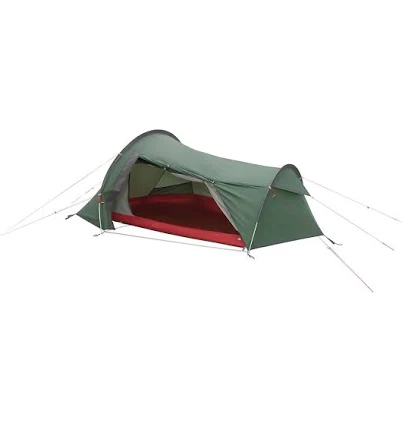
Robens Cress 2 Pro Backpacking Tents
Skip or contact Robens directly, as waterproof tent coating likely has PFAS, brand won't say.
Cress 2 Pro tents use water-repellent coating on polyester, standard for backpacking tents but typically PFAS-based. Robens makes no public disclosure about PFAS use, ingredients, or testing. Without explicit disclosure or certification, assume conventional fluorinated water-repellent coating treatment is present.
Still want this one anyway? Check the price on Amazon. We’d swap it.
Material
Polyester fabric with unspecified water-repellent (water-repellent coating) coating
Brand disclosure
Brand is silent on PFAS
Lab data
No public lab test
What Robens Cress 2 Pro Backpacking Tents is made of, ingredients and materials
Robens Cress 2 Pro uses polyester fabric as the primary material, which is inherently stable and does not leach or off-gas under normal camping conditions. The critical unknown is the water-repellent (water-repellent coating) coating applied to the polyester. water-repellent coating finishes on tents historically relied on PFAS-based Teflon-family coating (perfluorooctane, perfluorooctanoic acid precursors) to provide water shedding; modern alternatives exist but are rarely disclosed by manufacturers. Without Robens specifying the water-repellent coating chemistry, the risk profile of the coating cannot be ruled out.
What’s concerning
Category baseline
The starting point for this type of product, before anything specific to this product is counted.
No PFAS disclosure
No public statement from the brand about PFAS in this product.
Waterproof / stain-resistant treatment
Water-repellent coating treatments have historically used PFAS.
PFAS
Water-repellent coating finishes on polyester camping tents from this price and era are predominantly PFAS-based unless explicitly stated otherwise. Robens provides no specification, making PFAS presence probable but unconfirmed. Persistent chemicals accumulate in body and environment with long-term exposure or disposal.
Source, ATSDR ↗Polyester degradation under UV and heat
Polyester fibers do not leach chemicals under typical camping conditions, but extended UV exposure and high ambient temperature can cause fabric weakening and color fading. This is a durability issue rather than a toxicity hazard, but degraded fabric may be replaced prematurely, increasing lifecycle waste.
Mildew and microbial growth (storage/maintenance)
Polyester itself resists microbial colonization, but moisture trapped in folds or seams during storage can foster mold and bacteria. This is a hygiene and odor concern, not a chemical toxicity risk, but can cause respiratory irritation in sensitive users. Regular dry storage and ventilation prevent this.
What’s reassuring
Flame retardants
No public information indicates the Cress 2 Pro contains added flame retardants. Polyester inherently has moderate flame resistance; Robens does not market fire-resistant treatments for this model, so halogenated or phosphorus-based FR chemicals are unlikely but not ruled out by independent testing.
Source, EPA ↗Heavy metals
Polyester tent fabrics are typically colored with azo or reactive dyes during manufacturing. Robens provides no color sourcing or dyestuff specifications. Lead or cadmium in dyes is uncommon in modern European tent manufacturing but cannot be verified without direct testing or third-party certification.
Source, FDA ↗The full breakdown
The brand's record and disclosure
Robens, a subsidiary of the Gelert outdoor brand owned by NEOGEAR, maintains minimal public chemical disclosure on its product pages and material specifications. No published certifications (Bluesign, GOTS, or Cradle to Cradle) appear associated with this tent line. The brand has not issued statements addressing PFAS use, content, or phase-out timelines, which is increasingly expected in the outdoor industry as awareness of PFAS persistence in the environment grows. This silence makes independent verification of coating safety impossible for consumers.
How it compares in its category
Backpacking tents in the budget-to-mid range ($150-400) commonly use polyester with fluorocarbon water-repellent coating coatings, making the Cress 2 Pro typical for its price tier. However, brands such as Patagonia and some MSR models have begun transitioning to PFAS-free water-repellent systems (paraffin wax, silicone, or polyurethane alternatives). Robens does not appear to lead on this transition, placing it in the middle of a shifting landscape where more transparent competitors are becoming visible.
If you buy it
Polyester fabric itself requires no special precautions in normal use; avoid storing wet for prolonged periods to prevent mildew and odor, not chemical degradation. Do not expose the tent to direct flame or high heat sources, as polyester can melt above 150C. The water-repellent coating will degrade over 3-5 years of regular use and UV exposure; when water no longer beads on the fabric, re-application (or replacement) is due. Before purchase, contact Robens customer service directly to request the specific water-repellent coating chemistry and any PFAS-free certifications; their response (or lack thereof) will indicate transparency.
What we don’t know
- Basis
- Model estimate, 45% confidence, not a lab result
- Lab test
- None on record for this exact product
- Brand statement
- Robens has made none
Formulations change between production runs, so check the current label. How we grade.
More camping tents & tarps grades
How we score, every product runs through the same public 0-100 rubric based on materials, coatings, brand disclosure, lab findings, and recalls. See the full methodology → Spotted a mistake? Report an error.