Robens · Camping Tents & Tarps
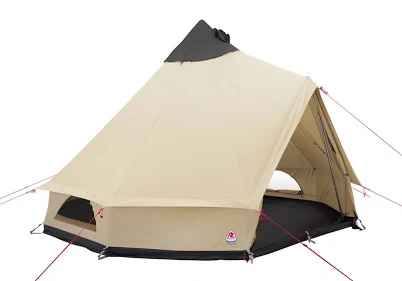
Robens Klondike S Tent
water-repellent coating chemistry not disclosed, and waterproofing treatments are a known PFAS application.
The Klondike S tent has polyester fabric with a water-repellent coating. Robens has no PFAS statement on record. The water-repellent coating chemistry is not stated. Waterproofing treatments have historically used PFAS compounds.
Still want this one anyway? Check the price on Amazon. We’d swap it.
Material
Polyester fabric with water-repellent coating (water-repellent coating) coating
Brand disclosure
Brand is silent on PFAS
Lab data
No public lab test
What Robens Klondike S Tent is made of, ingredients and materials
The Klondike S uses polyester fabric, a durable synthetic that resists UV and mechanical wear well. The water-repellent coating (water-repellent coating) coating on the fabric is the safety question, polyester tents commonly use PFAS-based water-repellent coating treatments to shed water without soaking through. Robens has not disclosed whether their water-repellent coating formula contains PFAS or a fluorine-free alternative. Polyester itself is stable and does not leach harmful chemicals under normal camping conditions.
What’s concerning
Category baseline
The starting point for this type of product, before anything specific to this product is counted.
No PFAS disclosure
No public statement from the brand about PFAS in this product.
Waterproof / stain-resistant treatment
Water-repellent coating treatments have historically used PFAS.
PFAS
Polyester tent fabrics commonly use PFAS-based fluorochemical water-repellent coating treatments. Robens has not disclosed their formula, and no non-PFAS alternative is advertised. PFAS can persist in the environment and accumulate in body tissue with long-term exposure; risk from occasional camping is low, but chronic use warrants confirmation.
Source, ATSDR ↗Mold and mildew growth
Polyester fabric itself does not support mold, but trapped moisture in poorly ventilated storage or use in high-humidity environments can promote fungal growth on seams and interior surfaces. This is a use-and-care issue, not a material defect.
Coating degradation over time
All water-repellent coating coatings degrade with UV exposure, heat, and washing. As the Klondike S ages, water-beading performance declines; the coating itself does not break down into hazardous byproducts under normal conditions, but efficacy loss may prompt premature replacement.
What’s reassuring
Polyester fiber shedding (microfiber)
Polyester tents do not shed microfibers into food or water under normal use. Concern is primarily relevant to garments washed in machines; a stationary tent poses no documented microfiber hazard.
Heavy metals
No recalls or testing have flagged lead, cadmium, or other heavy metals in Robens polyester tent fabric. Industry standards for outdoor textiles do not typically require the level of pigment testing applied to children's clothing, but contamination is not on record for this brand or product line.
Source, FDA ↗The full breakdown
The brand's record and disclosure
Robens, a subsidiary of Vango Group, does not publicly share technical details about their water-repellent coating chemistry or make PFAS-free claims on this model. No major safety recalls or certifications specific to this tent are on record. The brand's silence on PFAS, common across many tent manufacturers, makes it impossible to verify whether this product uses legacy PFAS or newer alternatives. Transparency on this point remains a gap in their public safety documentation.
How it compares in its category
Most polyester camping tents in this price and durability tier rely on PFAS or fluorine-based water-repellent coating because non-fluorine water-repellents wear off faster or require more frequent reapplication. Brands like Fjallraven and some REI models have committed to PFAS-free water-repellent coating, though details remain limited. The Klondike S is a midrange tent; premium ultralight models often disclose materials more thoroughly, while budget alternatives use similar unknown water-repellent coating formulas. On water-repellent coating transparency, this tent is in the murky mainstream.
If you buy it
Store the tent dry and well-ventilated to prevent mold and mildew, which is the main practical hazard in use. Do not machine wash or tumble dry; hand wash with mild soap if needed, and air dry completely to preserve water-repellent coating efficacy and avoid concentrating any coatings. Replace the tent if seams tear, coatings peel noticeably, or water no longer beads on fabric, as these signal coating breakdown. Acceptable for recreational camping; if PFAS exposure is a priority concern, contact Robens directly to request water-repellent coating formula details before purchase.
What we don’t know
- Basis
- Model estimate, 35% confidence, not a lab result
- Lab test
- None on record for this exact product
- Brand statement
- Robens has made none
Formulations change between production runs, so check the current label. How we grade.
More camping tents & tarps grades
How we score, every product runs through the same public 0-100 rubric based on materials, coatings, brand disclosure, lab findings, and recalls. See the full methodology → Spotted a mistake? Report an error.