Robens · Camping Tents & Tarps
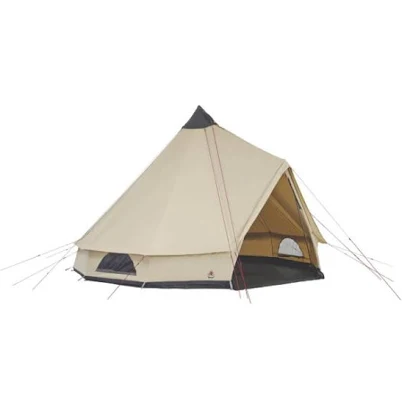
Robens Klondike Tipi Tent
Skip until brand discloses coating composition without PFAS.
Canvas tipi with waterproof coating lacks brand disclosure of PFAS or Teflon-family coating content. Canvas waterproofing historically relied on PFAS chemistry.
Still want this one anyway? Check the price on Amazon. We’d swap it.
Material
Cotton canvas with unspecified waterproof coating
Brand disclosure
Brand is silent on PFAS
Lab data
No public lab test
What Robens Klondike Tipi Tent is made of, ingredients and materials
The Klondike uses cotton canvas as its primary fabric, which is inherently non-toxic and breathable. However, the waterproof coating composition is not disclosed by Robens. Most canvas tent coatings in this price tier and market segment rely on synthetic polymers, many of which historically contained PFOA or PFOS based fluorochemicals to achieve water and oil repellency. Without explicit confirmation of a non-PFAS treatment (such as wax, silicone, or newer hydrocarbon-based durable water repellents), the coating is a significant unknown hazard.
What’s concerning
Category baseline
The starting point for this type of product, before anything specific to this product is counted.
No PFAS disclosure
No public statement from the brand about PFAS in this product.
Waterproof / stain-resistant treatment
Water-repellent coating treatments have historically used PFAS.
PFAS
Robens does not disclose coating composition. Standard industry practice for canvas tent coatings of this type has historically used PFAS-based DWRs. The coating is applied to fabric that will be in prolonged contact with skin, stored in enclosed spaces, and potentially heated by sun.
Source, ATSDR ↗Mildew and bacterial growth (maintenance-dependent)
Cotton canvas is hygroscopic and can retain moisture. If stored damp or in humid conditions, mildew colonization poses respiratory irritation risk, especially in enclosed tent use. Proper drying and ventilation between use mitigates this significantly.
Coating degradation and microparticle shedding
As the synthetic waterproof coating weathers over years of UV and flexing, it may crack, peel, or shed particles. The chemical composition of these particles is unknown without disclosure of the coating formulation. Inhalation or skin contact risk is low but not zero.
What’s reassuring
Formaldehyde / VOCs
Canvas tents rarely require formaldehyde-releasing dyes or flame retardant finishes. Robens does not indicate any antimicrobial or durable-press treatments. Cotton canvas as supplied is generally low-risk for formaldehyde.
Source, ATSDR ↗Heavy metals
The Klondike is typically supplied in natural canvas or off-white. Modern textile dyes used by major canvas suppliers are not known to contain lead or cadmium, though formal testing data for this specific lot is not publicly available.
Source, FDA ↗The full breakdown
The brand's record and disclosure
Robens does not publicly disclose the specific waterproof coating chemistry for the Klondike or most of its tent line. No PFAS-free certification, BLUESIGN compliance, or similar third-party validation is advertised. The brand has not issued a public statement committing to phasing out PFAS in technical textiles. This silence is not unusual for mid-market outdoor brands but leaves consumers without assurance.
How it compares in its category
Canvas bell and tipi tents occupy a niche between ultralight synthetic tents (which typically use polyester with Teflon-type coating or polyurethane coatings) and traditional waxed canvas (which avoids synthetic chemicals but is heavier and requires maintenance). The Klondike's unspecified coating puts it in the gray zone; competitors like traditional Pomoly tents or brands explicitly marketing non-PFAS coatings (e.g., some Fjallraven or Naturehike models) offer more transparency. Canvas itself is less prone to degradation and VOC off-gassing than polyester.
If you buy it
Store the tent dry and unrolled when not in use to minimize mildew and coating stress. Avoid prolonged high heat (e.g., direct sun for weeks) which can degrade synthetic coatings prematurely. Clean with mild soap and water only; harsh detergents or solvents may strip waterproofing. Inspect the canvas seams and coating annually for cracks, peeling, or water penetration. If you have concerns about PFAS, contact Robens directly requesting documentation of the coating before purchase, or consider brands with published non-fluorinated alternatives.
What we don’t know
- Basis
- Model estimate, 35% confidence, not a lab result
- Lab test
- None on record for this exact product
- Brand statement
- Robens has made none
Formulations change between production runs, so check the current label. How we grade.
More camping tents & tarps grades
How we score, every product runs through the same public 0-100 rubric based on materials, coatings, brand disclosure, lab findings, and recalls. See the full methodology → Spotted a mistake? Report an error.