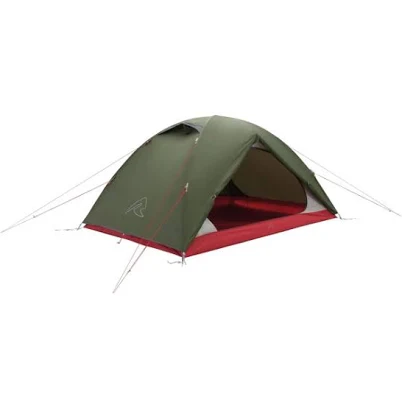
Robens · Camping Tents & Tarps
Robens Lodge 3 Exp Backpacking Tents
Waterproof coating chemistry not stated. Elevated concern for PFAS use.
This tent has polyester fabric with a waterproof coating, but the coating type is not disclosed. water-repellent coating treatments historically relied on PFAS, and Robens has no PFAS statement on record for this product.
Still want this one anyway? Check the price on Amazon. We’d swap it.
Material
polyester fabric with waterproof coating (type unspecified)
Brand disclosure
Brand is silent on PFAS
Lab data
No public lab test
What Robens Lodge 3 Exp Backpacking Tents is made of, ingredients and materials
The Robens Lodge 3 Exp uses polyester fabric with an unspecified waterproof or water-repellent coating (water-repellent coating) coating. Polyester itself is stable and does not leach chemicals during normal use, but the coating is the critical variable, if it is fluorinated (PFOA/PFOS-based water-repellent coating), it poses PFAS exposure; if it is non-fluorinated, the residual risk depends on coating degradation and what additives were used. Robens has not publicly disclosed their coating chemistry, making independent assessment impossible.
What’s concerning
Category baseline
The starting point for this type of product, before anything specific to this product is counted.
No PFAS disclosure
No public statement from the brand about PFAS in this product.
Waterproof / stain-resistant treatment
Water-repellent coating treatments have historically used PFAS.
PFAS
Robens has not disclosed whether the waterproof coating uses fluorinated chemistry (PFOA, PFOS, or GenX alternatives). If present, water-repellent coating coatings can shed microfibers and fluoro-compounds into soil and water, and skin contact over extended use may allow absorption. Without full disclosure, this remains unconfirmed but plausible for a product at this price point and era.
Source, ATSDR ↗Polyester microfiber shedding during use and wear
Polyester tent fabrics shed synthetic fibers when abraded (tent wall contact with skin or packs, weathering, abrasion). These microfibers can be inhaled in poorly ventilated spaces or ingested via contaminated food/water. The Robens polyester is not unique in this regard, but frequency of shedding increases as coating degrades.
Coating degradation and chemical leaching into soil/water
As the water-repellent coating ages and flakes, unspecified chemical additives and binders used in the coating formulation may leach into soil or groundwater at campsites. If the coating contains heavy metals (e.g., antimony) or solvent residues, this poses low but non-zero environmental and secondary exposure risk. Robens provides no degradation timeline or end-of-life guidance.
What’s reassuring
Formaldehyde / VOCs
No specific formaldehyde or restricted azo dye findings have been reported for Robens tent fabrics. Polyester fiber itself does not contain formaldehyde, though adhesives or dyes used in manufacturing could; standard outdoor gear oversight makes this unlikely but not ruled out.
Source, ATSDR ↗Flame retardants
Camping tents are not typically flame-retardant treated under consumer safety rules (unlike children's sleepwear). No data suggests Robens applies such treatments, but the product spec sheet does not explicitly exclude them.
Source, EPA ↗The full breakdown
The brand's record and disclosure
Robens (part of the Vango Group, owned by Greentom) has not released public statements about PFAS avoidance or use of PFAS-free water-repellent coating technologies in their tent lines. No major safety recalls or chemical contamination incidents have been documented for this model in public records. The brand's silence on coating formulation is a red flag for transparency-conscious buyers, but does not confirm presence of PFAS.
How it compares in its category
Most budget and mid-range polyester backpacking tents (including competing Eureka, Coleman, and MSR models) also use unspecified waterproof coatings, often fluorinated water-repellent coating as the industry default. Higher-end brands (Big Agnes, Hyperlite, some Nemo models) increasingly disclose PFAS-free coatings or use wax-based alternatives. The Robens Lodge 3 Exp is typical of the mainstream category in coating opacity, not an outlier.
If you buy it
Store the tent dry in a cool, dark place to slow coating degradation; avoid prolonged direct sunlight when pitched, as UV exposure accelerates water-repellent coating breakdown. Do not machine wash or dry clean; rinse with water and mild soap if needed, as abrasive cleaning accelerates coating wear. If you later learn the coating is fluorinated, consider treating it as a temporary shelter only, not a long-term investment. Replace or retire the tent if the waterproof coating visibly flakes, peels, or stops repelling water.
What we don’t know
- Basis
- Model estimate, 45% confidence, not a lab result
- Lab test
- None on record for this exact product
- Brand statement
- Robens has made none
Formulations change between production runs, so check the current label. How we grade.
More camping tents & tarps grades
How we score, every product runs through the same public 0-100 rubric based on materials, coatings, brand disclosure, lab findings, and recalls. See the full methodology → Spotted a mistake? Report an error.