Robens · Camping Tents & Tarps
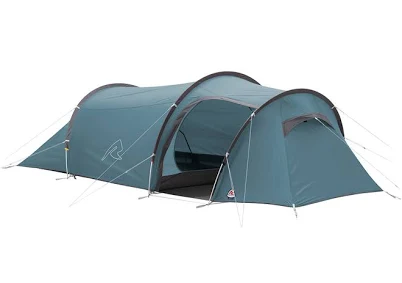
Robens Pioneer 3EX 3-Person Tent
Skip until coating details confirmed; tent waterproofing uses PFAS.
Three-season tent with water-repellent coating-treated polyester lacks brand disclosure on PFAS status. Tent waterproofing historically relied on PFAS chemistry.
Still want this one anyway? Check the price on Amazon. We’d swap it.
Material
Polyester fabric with water-repellent coating (water-repellent coating) coating
Brand disclosure
Brand is silent on PFAS
Lab data
No public lab test
What Robens Pioneer 3EX 3-Person Tent is made of, ingredients and materials
The Pioneer 3EX uses polyester fabric with a water-repellent coating (water-repellent coating) coating, standard for three-season expedition tents. Polyester itself is inert and stable in use; the hazard lies in the water-repellent coating finish, which historically relied on long-chain PFAS (PFOA-family compounds) to achieve water shedding. Robens has not publicly detailed whether they've switched to short-chain PFAS alternatives, fluorine-free coatings, or remained on legacy chemistry. This ambiguity means the coating may off-gas or leach PFAS, particularly during heat exposure or weathering.
What’s concerning
Category baseline
The starting point for this type of product, before anything specific to this product is counted.
No PFAS disclosure
No public statement from the brand about PFAS in this product.
Waterproof / stain-resistant treatment
Water-repellent coating treatments have historically used PFAS.
PFAS
Standard polyester tent coatings have historically used long-chain PFAS for water repellency. Robens provides no public confirmation of PFAS-free or low-PFAS alternatives, making legacy chemistry plausible. Off-gassing and leaching risk increases with heat, humidity, and aging.
Source, ATSDR ↗Polyester fiber degradation and microplastic shedding
Polyester fabric naturally degrades over 5-10 years of UV and weather exposure, potentially shedding microfibers. Risk is low in normal storage but increases if the tent is left exposed to sun or stored damp for extended periods.
VOC off-gassing from coating and adhesives
New polyester tents often emit mild volatile organic compounds (VOCs) from the water-repellent coating, seam tape adhesives, and fabric finishes, particularly in warm conditions. Off-gassing typically decreases after first use but may persist if the tent is stored in heat.
Mold and bacterial growth if stored wet
If packed or stored while damp, the polyester fabric and foam groundsheet can support mold growth. This is a use-error risk, not an inherent product defect, but mold can release allergens and mycotoxins into the tent interior.
What’s reassuring
Lead
No recalls or reports of heavy metal contamination in polyester tent dyes from Robens or this model. Polyester dyes are generally synthetic and regulated in the EU (where Decathlon is based), making this a low concern.
Source, ATSDR ↗The full breakdown
The brand's record and disclosure
Robens is a subsidiary of Nepa (owned by Decathlon) and has no publicly documented commitment to PFAS phase-out, unlike competitors such as Patagonia or The North Face. The brand does not provide technical data sheets or transparency on water-repellent coating chemistry for consumer products. No recalls or formal safety controversies are on record for this model, but silence on a known chemical concern is a disclosure gap rather than a clean bill of health.
How it compares in its category
Most mainstream three-person expedition tents (Coleman, Big Agnes, MSR) also use polyester with water-repellent coating coatings; few disclose their fluorochemical status. Premium brands increasingly market PFAS-free alternatives or certified low-PFAS coatings, but these command higher prices. The Pioneer 3EX is competitively priced, which historically correlates with older, cheaper water-repellent coating formulations. If PFAS avoidance is a priority, PFAS-free options exist but are less common in this price bracket.
If you buy it
Store the tent in a cool, dry place away from direct heat and UV; prolonged sun exposure or heat can accelerate degradation and off-gassing of coating chemicals. Do not machine wash; hand-clean with cool water and mild soap only, and air-dry flat to preserve the water-repellent coating layer. Avoid cooking or heating water inside the tent, as warm, humid air may increase volatilization of surface chemicals. Inspect the coating annually for flaking or wear; once significantly degraded, replacement or professional re-coating becomes necessary rather than merely cosmetic.
What we don’t know
- Basis
- Model estimate, 45% confidence, not a lab result
- Lab test
- None on record for this exact product
- Brand statement
- Robens has made none
Formulations change between production runs, so check the current label. How we grade.
More camping tents & tarps grades
How we score, every product runs through the same public 0-100 rubric based on materials, coatings, brand disclosure, lab findings, and recalls. See the full methodology → Spotted a mistake? Report an error.