Robens · Camping Tents & Tarps
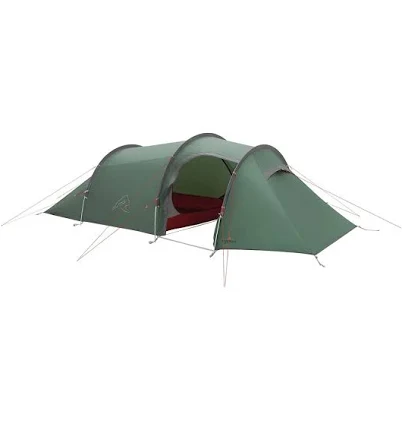
Robens Sage 3 Pro Backpacking Tents
Avoid until Robens reveals water-repellent coating chemistry or confirms PFAS-free status.
This backpacking tent has polyester/nylon fabric with a water-repellent coating, but Robens keeps silent on water-repellent coating chemistry or PFAS content. You'll find no third-party testing or verified PFAS-free claim to assess the waterproofing treatment's safety.
Still want this one anyway? Check the price on Amazon. We’d swap it.
Material
polyester/nylon tent fabric with water-repellent coating (water-repellent coating) coating
Brand disclosure
Brand is silent on PFAS
Lab data
No public lab test
What Robens Sage 3 Pro Backpacking Tents is made of, ingredients and materials
The Sage 3 Pro uses polyester and nylon fabrics treated with a water-repellent coating (water-repellent coating) coating to shed rain and ground moisture. water-repellent coating coatings historically rely on fluorinated chemicals (PFAS) to achieve water repellency, though some manufacturers have switched to non-fluorinated alternatives. Polyester and nylon themselves are chemically stable under normal use; the concern centers entirely on the water-repellent coating treatment applied to the outer and sometimes inner surfaces. Without Robens confirming their water-repellent coating chemistry, assume fluorinated treatment.
What’s concerning
Category baseline
The starting point for this type of product, before anything specific to this product is counted.
No PFAS disclosure
No public statement from the brand about PFAS in this product.
Waterproof / stain-resistant treatment
Water-repellent coating treatments have historically used PFAS.
PFAS
Standard polyester tent coatings release water-soluble PFAS metabolites during setup, tear-down, and rain exposure. Robens has not confirmed PFAS-free status, making fluorinated compounds the most probable choice for this product class and price point.
Source, ATSDR ↗Formaldehyde / VOCs
Polyester fabrics may be treated with formaldehyde-based wrinkle-resistance or antimicrobial finishes during manufacture. Off-gassing is typically low in well-ventilated outdoor use but can accumulate in sealed storage or poorly ventilated storage bags.
Source, ATSDR ↗Azo dyes in fabric coloring
The Sage 3 Pro's colors (sage, grey, or other dyes) may include azo-based pigments that have carcinogenic metabolites when degraded. Long-term UV exposure and sweat contact are low-risk routes for healthy users, but dyes are not disclosed by Robens.
Mold and bacterial growth in fabric seams and underside
Poor drying, storage in damp conditions, or prolonged ground contact can create pathogenic environments. This is a maintenance issue, not a manufacturing defect, but microbiological hazards are real if care protocols are skipped.
What’s reassuring
Breakdown of nylon fibers releasing microfibers
Rubbing, UV degradation, and weathering gradually shed nylon microfibers. No documented health risk to users during normal handling, and environmental impact is negligible compared to other textiles, but microfiber release is inevitable over time.
The full breakdown
The brand's record and disclosure
Robens (owned by Dometic Group, a Swedish outdoor equipment manufacturer) does not publicly disclose water-repellent coating chemistry or commit to PFAS-free status on their website or product labels. No major safety recalls specific to Robens tents have been documented in consumer databases. The brand has not pursued third-party certifications (e.g., Bluesign, OEKO-TEX) that would rule out harmful chemicals. Their silence on PFAS is consistent with many mid-tier tent makers who have not yet made public commitments to reform.
How it compares in its category
Most backpacking tents in this price and performance tier use fluorinated water-repellent coating coatings; Robens is not an outlier. Higher-end brands (e.g., MSR, Black Diamond) occasionally disclose non-fluorinated alternatives, though confirmation is rare. Budget tents and premium ultralight models show similar transparency gaps. The Sage 3 Pro's durability and weather protection are standard for its class; the safety trade-off is chemical, not performance.
If you buy it
Store the tent dry and well ventilated after each use to prevent mold and off-gassing in enclosed spaces. Do not machine wash; rinse with cool water and mild soap only, as heat and detergents may degrade the water-repellent coating and increase leaching potential. Reapply commercial water-repellent coating treatments (many of which also contain PFAS) only if necessary, and research the product's chemistry before use. Expect the water-repellent coating to degrade over 5-7 years of regular use; this is normal and not a safety failure.
What we don’t know
- Basis
- Model estimate, 35% confidence, not a lab result
- Lab test
- None on record for this exact product
- Brand statement
- Robens has made none
Formulations change between production runs, so check the current label. How we grade.
More camping tents & tarps grades
How we score, every product runs through the same public 0-100 rubric based on materials, coatings, brand disclosure, lab findings, and recalls. See the full methodology → Spotted a mistake? Report an error.