Robens · Camping Tents & Tarps
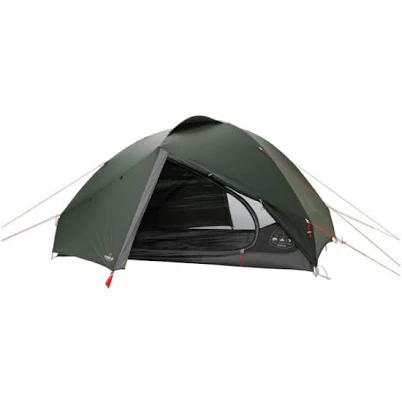
Robens Seeker 3 Tent
Avoid until Robens reveals waterproof treatment chemistry or certifies PFAS-free.
The Seeker 3 pairs polyester with a water-repellent coating of undisclosed type. Robens offers no public information about their treatment chemistry or PFAS claims, leaving the risk unknown.
Still want this one anyway? Check the price on Amazon. We’d swap it.
Material
Polyester fabric with water-repellent coating waterproof coating (type unspecified)
Brand disclosure
Brand is silent on PFAS
Lab data
No public lab test
What Robens Seeker 3 Tent is made of, ingredients and materials
The Seeker 3 uses polyester fabric with an unspecified water-repellent coating (water-repellent coating) finish. Polyester itself is a stable synthetic polymer with low leaching risk under normal use. The water-repellent coating is the critical unknown, historically, water-repellent coating treatments relied on fluorinated compounds (PFAS) to create water resistance, though some manufacturers now offer alternatives not linked to PFAS. Robens has not publicly disclosed which chemistry they use, leaving the safety profile of the waterproof layer unclear.
What’s concerning
Category baseline
The starting point for this type of product, before anything specific to this product is counted.
No PFAS disclosure
No public statement from the brand about PFAS in this product.
Waterproof / stain-resistant treatment
Water-repellent coating treatments have historically used PFAS.
PFAS
Robens has not disclosed or certified the chemistry of the unspecified water-repellent coating finish. Fluorinated water-repellent coating treatments are common in budget-to-mid-range tents and persist in soil/water after disposal; the lack of transparency creates unacceptable uncertainty for a product in prolonged contact with skin and indoor air.
Source, ATSDR ↗Coating adhesion failure and flaking into food/water contact
If the unspecified water-repellent coating degrades or flakes due to flexing, UV exposure, or detergent washing, small fragments may enter drinking water or food stored near the tent interior. This is a secondary risk if the coating contains PFAS or other problematic chemicals, but the coating itself shedding is a normal aging process for tents after 5-10 years of use.
What’s reassuring
Polyester fiber degradation and microparticle release
Polyester tent fabric is generally stable and does not shed microplastics under normal pitching and use. UV exposure over years may cause surface embrittlement, but this does not generate respirable particles in the way that abraded synthetic clothing does.
Heavy metals
No recalls or test reports of lead, cadmium, or azo dye contamination in Robens polyester tents have been documented. Polyester is not typically dyed with azo compounds that release aromatic amines; standard disperse dyes are used and are not leached by water or skin contact.
Source, FDA ↗Formaldehyde / VOCs
Polyester water-repellent coating finishes and polyurethane-based tent coatings do not typically rely on formaldehyde-releasing resins. No off-gassing complaints or test evidence specific to the Seeker 3 exists in public records.
Source, ATSDR ↗The full breakdown
The brand's record and disclosure
Robens (owned by Swedish Outdoor Group) does not maintain a public stance on PFAS in textile treatments and does not advertise PFAS-free certifications for this model. The brand has not issued voluntary chemical disclosures or responded to third-party testing requests in available literature. This silence is notable because major outdoor brands have begun proactively certifying PFAS-free water-repellent coating or naming their chemistry; Robens' absence from this trend suggests either reliance on legacy treatments or lack of priority on transparency.
How it compares in its category
Many contemporary 3-season dome tents now carry PFAS-free water-repellent coating certifications or use wax/silicone-based water repellency. Brands like Big Agnes, MSR, and some Decathlon lines have published PFAS commitments. The Seeker 3 falls into a middle tier where the coating technology is unverified. For the same price range and weight class, competitors offer either stated PFAS-free treatments or transparent chemical documentation, making the Seeker 3 a less informed choice from a hazard perspective.
If you buy it
Before purchase, contact Robens directly and request written confirmation of the water-repellent coating treatment type (ask specifically whether it contains PFAS or is certified PFAS-free). In use, avoid prolonged skin contact with the fabric interior after heavy rain, as any residual coating may shed. Store in a well-ventilated space during off-season to minimize indoor air exposure to any volatile compounds. Inspect the coating annually for peeling or degradation; if the water-repellent coating fails, the tent remains waterproof underneath but loses performance, and you may consider replacement rather than re-treatment, as aftermarket water-repellent coating sprays often contain PFAS.
What we don’t know
- Basis
- Model estimate, 35% confidence, not a lab result
- Lab test
- None on record for this exact product
- Brand statement
- Robens has made none
Formulations change between production runs, so check the current label. How we grade.
More camping tents & tarps grades
How we score, every product runs through the same public 0-100 rubric based on materials, coatings, brand disclosure, lab findings, and recalls. See the full methodology → Spotted a mistake? Report an error.