Robens · Camping Tents & Tarps
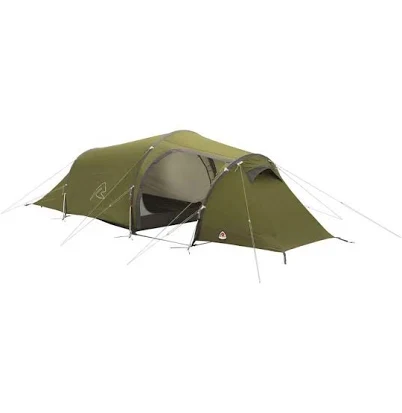
Robens Voyager 2EX Tent
Avoid until water-repellent coating specifics are public; typical tent coatings commonly contain PFAS.
This 2-person tent uses polyester with water-repellent coating treatment, a standard exposure path for PFAS in outdoor gear. Robens gives no public detail on water-repellent coating type, ingredients, or PFAS commitment, making risk assessment impossible.
Still want this one anyway? Check the price on Amazon. We’d swap it.
Material
Polyester fabric with water-repellent coating (water-repellent coating) coating
Brand disclosure
Brand is silent on PFAS
Lab data
No public lab test
What Robens Voyager 2EX Tent is made of, ingredients and materials
The Voyager 2EX uses polyester fabric as the primary shell material, which is inherently stable and resistant to rot and mildew. The critical component is the water-repellent coating (water-repellent coating) coating applied to achieve waterproofing. water-repellent coating coatings are the primary source of PFAS concern in modern tents, though Robens has not publicly disclosed whether theirs is fluorine-based or an alternative chemistry. Polyester itself is chemically stable under normal camping use and does not leach monomers or plasticizers as a hazard.
What’s concerning
Category baseline
The starting point for this type of product, before anything specific to this product is counted.
No PFAS disclosure
No public statement from the brand about PFAS in this product.
Waterproof / stain-resistant treatment
Water-repellent coating treatments have historically used PFAS.
water-repellent coating (water-repellent coating) coating composition
Robens has not publicly specified whether the Voyager 2EX uses fluorinated or non-fluorinated water-repellent coating. Industry standard is fluorinated (PFAS-based) chemistry, which poses inhalation and dermal exposure risks during setup, use, and cleaning. Without manufacturer disclosure, PFAS presence cannot be ruled out.
Volatile Organic Compound (VOC) off-gassing
Polyester tents with synthetic coatings may release VOCs during initial setup or prolonged sun exposure, particularly in warm conditions. New Robens tents should be aired outdoors before first use to minimize inhalation of coating solvents or residues.
Coating degradation and leachates
As the water-repellent coating weathers over multiple seasons, microscopic particles and degradation byproducts may shed into water or soil. If the coating is fluorinated, degradation products could include PFOA and PFOS precursors, though direct evidence for this product is absent.
Formaldehyde / VOCs
Some polyester tent fabrics undergo formaldehyde-based wrinkle-resist or mildew-resist treatments during manufacturing. Robens does not disclose finishing chemistry; outgassing is typically minimal after initial airing but possible in sealed storage conditions.
Source, ATSDR ↗What’s reassuring
Antimony in polyester
Antimony is occasionally used as a catalyst in polyester production but typically remains bound in the polymer matrix. No antimony-specific contamination or migration incidents have been documented for Robens tents or polyester camping textiles in general.
The full breakdown
The brand's record and disclosure
Robens is a UK-based outdoor brand owned by Blacks Leisure and does not maintain public transparency on water-repellent coating chemistry or PFAS avoidance commitments. No product-specific safety certifications, PFAS testing, or sustainability disclosures are readily available for this model. The brand has not faced documented recalls related to chemical hazards in tents, but the absence of disclosure is itself a red flag for informed purchasing. Contact with the manufacturer may yield coating specifics, though many tent brands are reluctant to provide this information.
How it compares in its category
Most modern polyester tents in the 2-person expedition class rely on fluorinated water-repellent coating coatings for durability and water repellency performance. Robens sits in the mid-market segment; premium brands like Hilleberg increasingly offer PFAS-free alternatives (wax-based or silicone water-repellent coating), while budget brands often use traditional fluorinated coatings without disclosure. The Voyager 2EX lacks differentiating safety certifications that would position it favorably. If PFAS avoidance is a priority, brands with explicit PFAS-free statements (e.g., certain models from MSR or Sea to Summit) may be preferable.
If you buy it
Dry-clean or gently hand-wash the tent in cold water only; never use hot water or commercial detergents, which can degrade the water-repellent coating and any embedded fluorinated compounds. Store in a cool, dry place away from direct heat or sunlight, as UV and heat can accelerate coating breakdown. Reapply water-repellent coating every 1-2 seasons of use, but verify that any aftermarket product is PFAS-free if that is a concern. Do not allow the tent fabric to come into prolonged contact with skin oils or food residues, as chemical behavior under use conditions remains incompletely studied for typical water-repellent coating formulations.
What we don’t know
- Basis
- Model estimate, 45% confidence, not a lab result
- Lab test
- None on record for this exact product
- Brand statement
- Robens has made none
Formulations change between production runs, so check the current label. How we grade.
More camping tents & tarps grades
How we score, every product runs through the same public 0-100 rubric based on materials, coatings, brand disclosure, lab findings, and recalls. See the full methodology → Spotted a mistake? Report an error.