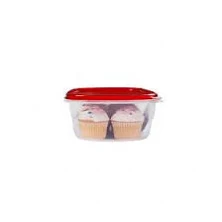
Rubbermaid · Disposable Food Containers
Rubbermaid TakeAlongs
Lower concern, standard plastic storage with no high-risk coatings found.
Rubbermaid TakeAlongs are polypropylene containers without known PFAS-containing treatments. No brand PFAS information is available, though core material poses lower risk than treated products.
We flunk more products than we pass. This one earned its grade. How we grade
Material
Polypropylene plastic containers with snap lids
Brand disclosure
Brand is silent on PFAS
Lab data
No public lab test
You may also be interested in
Top-graded picks in the categories readers replace first, every one scored on the same rubric.

- polypropylene filter housing, carbon/sediment cartridge
- We found no PFAS statement from the brand
- Bacterial growth in spent cartridges
3 hazards checked on this product, all on its full breakdown.

Aquasure
Premier Series 75 GPD Under Sink Reverse Osmosis Water Filtration System
- RO membrane, carbon filters, stainless steel housing
- We found no PFAS statement from the brand
- Bacterial and microbial growth in housing and filters
4 hazards checked on this product, all on its full breakdown.

Avocado
Vegan Mattress
- organic cotton, natural latex, coconut coir, recycled steel coils
- The brand calls it PFAS-free, which we have not verified
- Heavy metals
2 hazards checked on this product, all on its full breakdown.
What Rubbermaid TakeAlongs is made of, ingredients and materials
Rubbermaid TakeAlongs are made from polypropylene (PP, plastic #5), a thermoplastic polymer chosen for food storage because it resists warping at moderate temperatures and does not contain BPA or BPS by formulation. Polypropylene is not a material linked to PFAS in food storage applications. The snap lids are typically also polypropylene, designed to create an airtight seal without requiring external locking mechanisms.
What’s concerning
Category baseline
The starting point for this type of product, before anything specific to this product is counted.
No PFAS disclosure
No public statement from the brand about PFAS in this product.
Microplastic shedding when heated
If containers are heated above polypropylene's recommended use temperature (typically below 70°C), the plastic may begin to degrade and potentially shed microparticles into food. This risk is mitigated by using the containers only for cold or room-temperature storage and hand-washing rather than microwaving.
Odor or taste transfer from degraded plastic
Long-term use, UV exposure, or repeated washing may cause the polypropylene to degrade and impart off-flavors or odors to stored food. This is a quality-of-life issue rather than a chemical safety hazard, but signals container replacement is needed.
Mold or bacterial growth inside snap lids
The snap-lid design can trap moisture and food residue in crevices, creating conditions for mold or bacterial growth if not thoroughly cleaned and dried. Regular inspection and thorough hand washing of the lid underside mitigates this risk.
What’s reassuring
Base material not linked to PFAS
The main material recorded for this product is not one associated with PFAS.
BPA & bisphenols
Polypropylene formulation does not contain BPA or BPS by standard manufacturing. No documented cases of BPA or BPS contamination in Rubbermaid TakeAlongs have been reported.
Source, FDA ↗Phthalate additives
Polypropylene rigid containers typically do not require phthalate plasticizers; this hazard class is not associated with the PP material or this product line based on available information.
How is this PFAS grade calculated?
The brand's record and disclosure
Rubbermaid (owned by Newell Brands) has no major food-contact safety recalls or documented violations specific to the TakeAlongs line in the public record. The brand does not publish detailed chemical disclosure statements for this product line, which is typical for mainstream food-storage manufacturers. Newell Brands has not made a public commitment to PFAS-free formulations across all products, but TakeAlongs show no identified high-risk coatings or additives that would trigger concern.
How it compares in its category
Polypropylene food containers are a mid-range choice in the plastic storage market. They present lower concern than polystyrene (#6) and comparable or lower concern than polyethylene terephthalate (#1) when used correctly. Glass or stainless-steel alternatives eliminate plastic leaching risk entirely but cost more and lack durability in drops. Rubbermaid's design is typical for mass-market rigid storage and includes no unusual additives or coatings that differentiate it as higher or lower risk than generic polypropylene competitors.
If you buy it
Use TakeAlongs for cold foods and room-temperature storage only; do not place hot foods directly into the containers, as polypropylene begins to soften above 70°C and may leach trace chemicals at sustained high temperatures. Hand wash or use the dishwasher on a cool cycle if the product is labeled dishwasher-safe; avoid prolonged contact with bleach or strong solvents. Replace containers if the plastic becomes cloudy, cracked, or noticeably warped, as degradation may increase leaching risk. Avoid microwaving unless explicitly labeled microwave-safe by Rubbermaid, as uneven heating can exceed the material's safe temperature range.
What is not known about PFAS in this product?
- Basis
- Model estimate, 72% confidence, not a lab result
- Lab test
- None on record for this exact product
- Brand statement
- Rubbermaid has made none
Formulations change between production runs, so check the current label. How we grade.
What are the PFAS-free alternatives to Rubbermaid TakeAlongs?
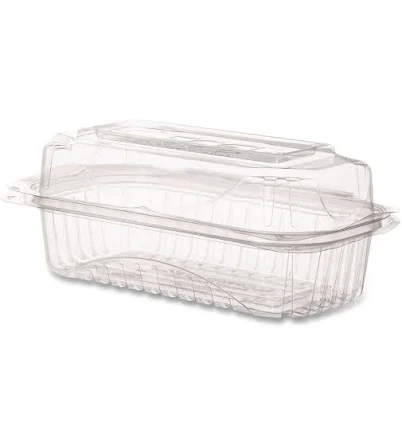
Eco-Products
Compostable Clear Clamshell Hinged Food
- Compostable resin (PLA/PBAT blend, plant-based)
- A third party reports verifying it as PFAS-free
- Thermal degradation and chemical release at use temperatures
More disposable food containers grades
How we score, every product runs through the same public 0-100 rubric based on materials, coatings, brand disclosure, lab findings, and recalls. See the full methodology → Spotted a mistake? Report an error.