Rubbermaid Review, Is Rubbermaid Non-Toxic?
Rubbermaid averages 70 out of 100 on PFAS Authority's PFAS and toxin screen across the 32 Rubbermaid products graded as of October 2026, and 31 of them reach its 70 point pass mark.
Rubbermaid grades Good on our four-band scale. On disclosure, the brand says nothing publicly about PFAS. See what every brand has published about PFAS for how that compares.
PFAS Authority is a scoring system, not a laboratory. We do not test products ourselves. Grades are model-based, built from published ingredients, materials, certifications, brand disclosures and third-party lab results where they exist. See the rubric.
You may also be interested in
Top-graded picks in the categories readers replace first, every one scored on the same rubric.

- polypropylene filter housing, carbon/sediment cartridge
- We found no PFAS statement from the brand
- Bacterial growth in spent cartridges
3 hazards checked on this product, all on its full breakdown.

Aquasure
Premier Series 75 GPD Under Sink Reverse Osmosis Water Filtration System
- RO membrane, carbon filters, stainless steel housing
- We found no PFAS statement from the brand
- Bacterial and microbial growth in housing and filters
4 hazards checked on this product, all on its full breakdown.

Avocado
Vegan Mattress
- organic cotton, natural latex, coconut coir, recycled steel coils
- The brand calls it PFAS-free, which we have not verified
- Heavy metals
2 hazards checked on this product, all on its full breakdown.
Does Rubbermaid have PFAS, by category
Which Rubbermaid products are PFAS-free? Good or better, best-graded first
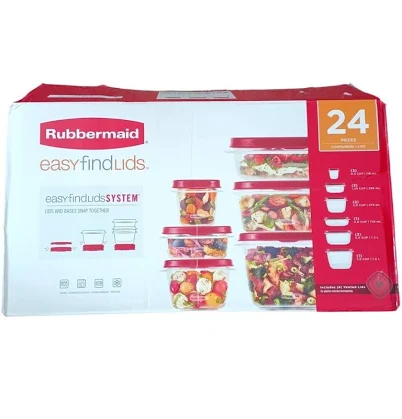
- Polypropylene and stainless steel (bare, uncoated)
- We found no PFAS statement from the brand
- Plastic degradation and microplastic shedding. Repeated heating, thermal shock, or mechanical stress…
2 hazards checked on this product, all on its full breakdown.
Rubbermaid
24 pc Rubbermaid Easy Find Lid Containers & 8 pc Stainless Container Set
- Polypropylene plastic containers and stainless steel
- We found no PFAS statement from the brand
- Microplastics. Repeated heating, freezing cycles, and mechanical wear can cause microscopic PP degradation…
3 hazards checked on this product, all on its full breakdown.
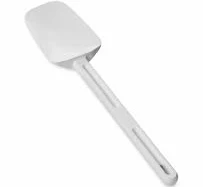
- Rubber/polypropylene scraper, no nonstick coating
- We found no PFAS statement from the brand
- Thermal degradation and fume release, PP softens above 160-170F and can degrade near open flame. While acute…
3 hazards checked on this product, all on its full breakdown.
Find an alternative on Amazon
- silicone (handle and blade)
- We found no PFAS statement from the brand
- Silicone polymer degradation and micro-shedding. Silicone is chemically stable but physically degrades with…
3 hazards checked on this product, all on its full breakdown.
Find an alternative on Amazon
- high-temperature silicone handle and head
- We found no PFAS statement from the brand
- Silicone leaching and degradation. Silicone can leach small amounts of oligomers (uncrosslinked polymer…
2 hazards checked on this product, all on its full breakdown.
Find an alternative on Amazon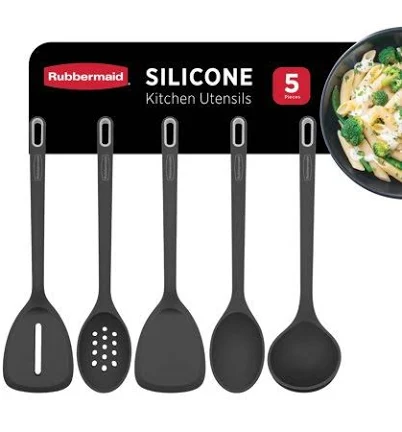
- Silicone utensils
- We found no PFAS statement from the brand
- Thermal stability and leaching at extreme heat. While food-grade silicone is stable at normal cooking…
2 hazards checked on this product, all on its full breakdown.
Find an alternative on Amazon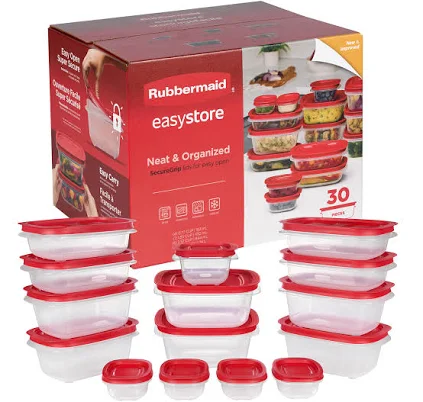
- polypropylene (PP) plastic containers and lids
- We found no PFAS statement from the brand
- Microplastics. Repeated heating above recommended limits or prolonged UV exposure may cause PP to become…
3 hazards checked on this product, all on its full breakdown.
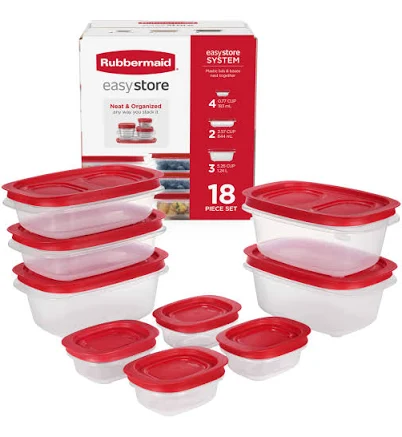
- polypropylene (PP) plastic containers and lids
- We found no PFAS statement from the brand
- Microplastics. If containers are microwaved at high power or exposed to boiling liquids repeatedly, polymer…
2 hazards checked on this product, all on its full breakdown.
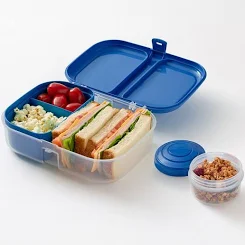
- Polypropylene (PP) rigid plastic, compartmented food container
- We found no PFAS statement from the brand
- Microplastics. Repeated mechanical stress (dropping, impact), UV exposure, and microwave heating accelerate…
2 hazards checked on this product, all on its full breakdown.
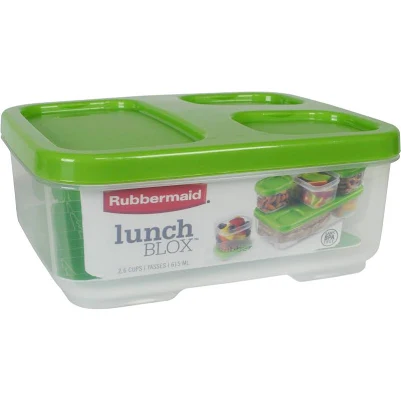
- polypropylene plastic container and lid
- We found no PFAS statement from the brand
- Microplastics. Prolonged microwave or exposure to hot liquids (above 70°C) may cause surface degradation and…
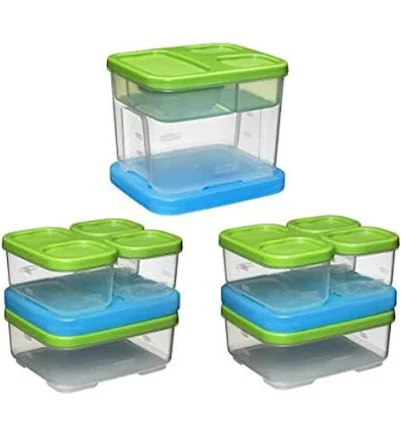
- plastic (polypropylene/tritan) containers, silicone seals
- We found no PFAS statement from the brand
- Microplastics. Repeated microwaving, dishwasher cycles, or physical stress can cause microscopic PP particles…
3 hazards checked on this product, all on its full breakdown.
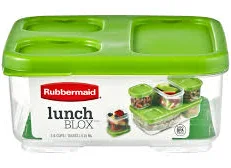
- plastic (polypropylene/tritan-type copolyester)
- We found no PFAS statement from the brand
- Thermal stress and oligomer migration. Polypropylene containers can leach minor amounts of cyclic oligomers…
3 hazards checked on this product, all on its full breakdown.
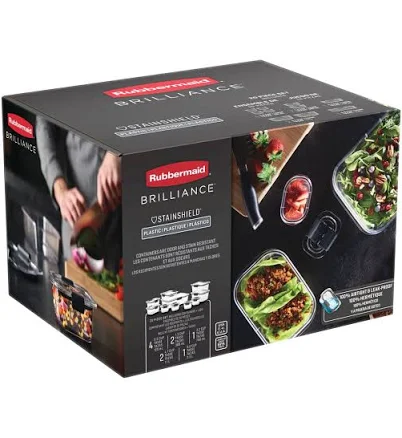
- Plastic polymer (polypropylene/copolyester blend) with clear lids
- We found no PFAS statement from the brand
- Microplastic shedding and oligomer release. Polypropylene can release oligomeric fragments under stress…
2 hazards checked on this product, all on its full breakdown.
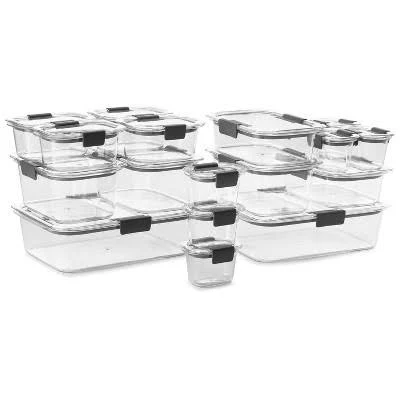
- BPA-free plastic (polypropylene/copolyester blend)
- We found no PFAS statement from the brand
- Microplastics. Polypropylene containers can fragment or leach microparticles if cracked, scratched, or…
4 hazards checked on this product, all on its full breakdown.
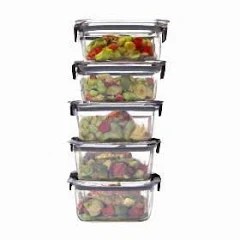
- polypropylene (PP) plastic, no coating disclosed
- We found no PFAS statement from the brand
- Microplastics. Rigid PP can shed microscopic fragments if damaged, flexed repeatedly, or exposed to high…
2 hazards checked on this product, all on its full breakdown.
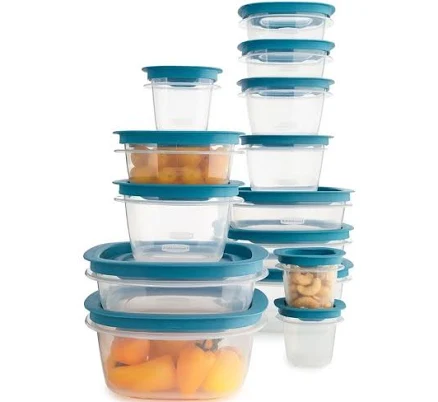
- Polypropylene (PP) plastic lids and containers
- We found no PFAS statement from the brand
- Microplastic generation from wear. Repeated mechanical stress from stacking, opening, and closing lids can…
3 hazards checked on this product, all on its full breakdown.
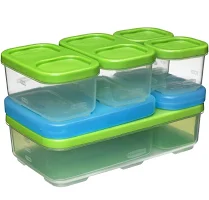
- Polypropylene (PP) plastic container with silicone seals
- We found no PFAS statement from the brand
- Microplastics. Polypropylene can shed microparticles if scratched, cracked, or exposed to prolonged heat and…
2 hazards checked on this product, all on its full breakdown.
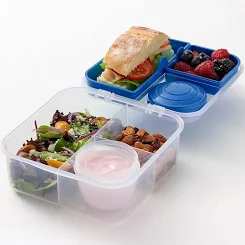
- polypropylene plastic container
- We found no PFAS statement from the brand
- Microplastic migration. At ambient or gentle reheating temperatures (below 70°C), microplastic release from…
3 hazards checked on this product, all on its full breakdown.
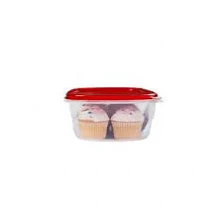
- Polypropylene plastic containers with snap lids
- We found no PFAS statement from the brand
- Microplastic shedding when heated. If containers are heated above polypropylene's recommended use temperature…
3 hazards checked on this product, all on its full breakdown.
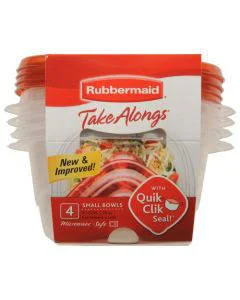
- Polypropylene plastic container with snap-lock lid
- We found no PFAS statement from the brand
- Microplastic shedding from degradation. Repeated heating above 100°C, prolonged UV exposure, or mechanical…
3 hazards checked on this product, all on its full breakdown.
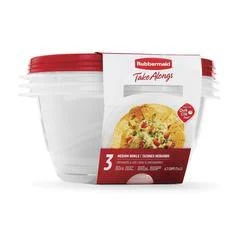
- Polypropylene (PP) plastic bowls with snap lids
- We found no PFAS statement from the brand
- Microplastic migration during heating, PP is not microwave-safe and will degrade if exposed to sustained heat…
3 hazards checked on this product, all on its full breakdown.
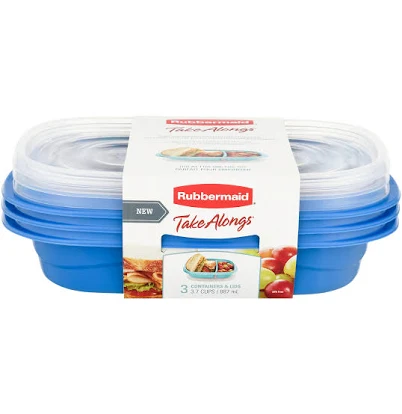
- Polypropylene (PP) plastic container and lid
- We found no PFAS statement from the brand
- Additive leaching (PP stabilizers and colorants). Polypropylene food containers use calcium carbonate…
3 hazards checked on this product, all on its full breakdown.
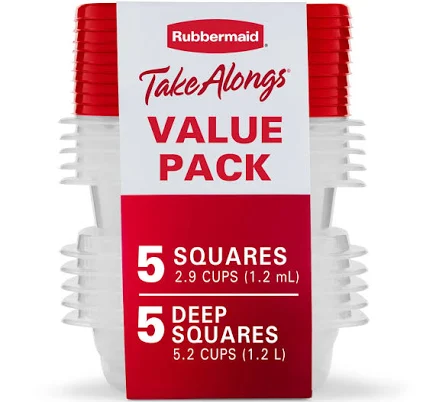
- polypropylene plastic containers with lids
- We found no PFAS statement from the brand
- Microplastics. Repeated thermal stress, UV exposure, and dishwasher cycling can cause PP to shed microscopic…
3 hazards checked on this product, all on its full breakdown.
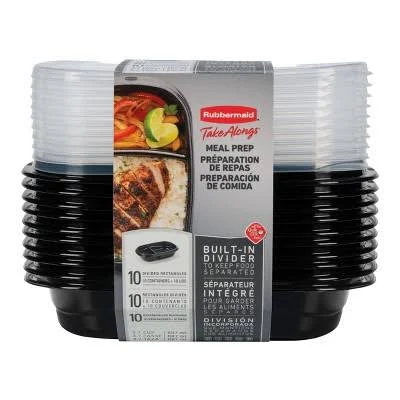
- polypropylene (PP) container, polyester gasket
- We found no PFAS statement from the brand
- Microplastics. Repeated heating in microwaves or dishwashers can cause PP to crack and shed microplastics.…
3 hazards checked on this product, all on its full breakdown.
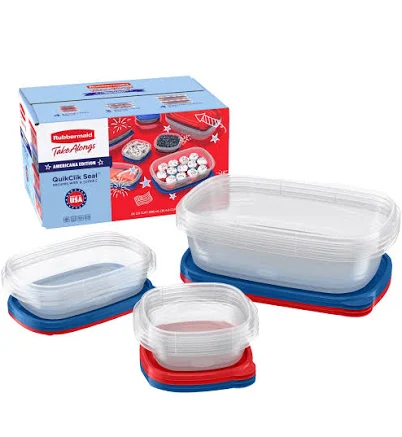
- Polypropylene (PP) plastic containers
- We found no PFAS statement from the brand
- Microplastic shedding when heated. Repeated microwaving and thermal cycling can cause slow degradation and…
2 hazards checked on this product, all on its full breakdown.
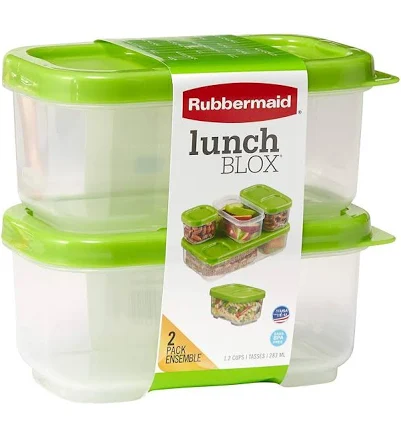
- plastic (likely polypropylene or polyethylene)
- We found no PFAS statement from the brand
- Microplastics. Heating these cups beyond their thermal limits (above 70°C) or repeated thermal cycling can…
2 hazards checked on this product, all on its full breakdown.
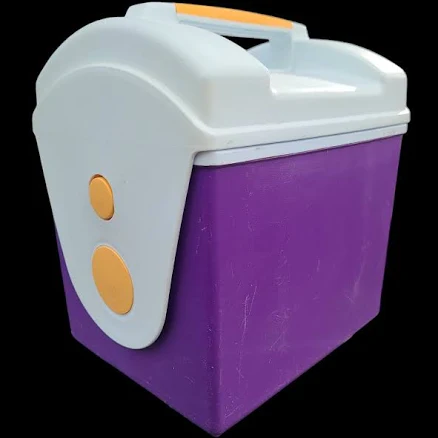
- Plastic (PE/PP) with insulating liner
- We found no PFAS statement from the brand
- Microplastic shedding or leaching. Mechanical wear of seams, hinges, and foam liners over time can generate…
2 hazards checked on this product, all on its full breakdown.
Find an alternative on Amazon
- Silicone head and handle
- We found no PFAS statement from the brand
- Silicone degradation and leaching. Food-grade silicone is stable at typical cooking temperatures, but…
2 hazards checked on this product, all on its full breakdown.
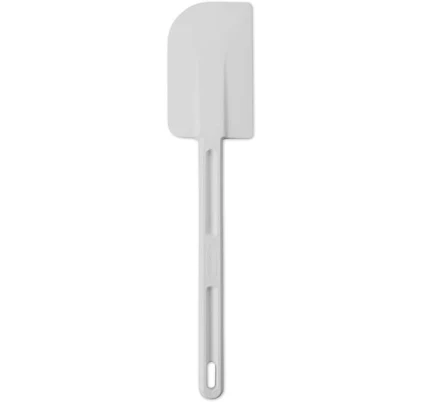
- Silicone or plastic
- We found no PFAS statement from the brand
- Silicone degradation at high heat. Extended use above manufacturer temperature specifications (typically…
2 hazards checked on this product, all on its full breakdown.
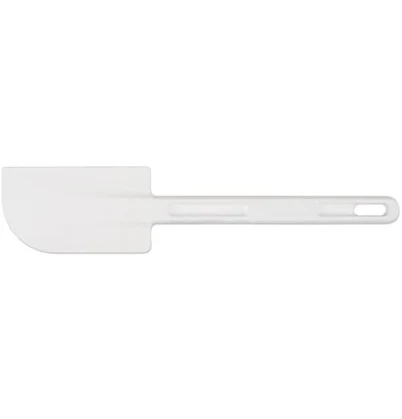
- Silicone head, handle material unspecified
- We found no PFAS statement from the brand
- Handle material composition (unspecified). Rubbermaid does not disclose handle material (likely plastic…
3 hazards checked on this product, all on its full breakdown.
Find an alternative on Amazon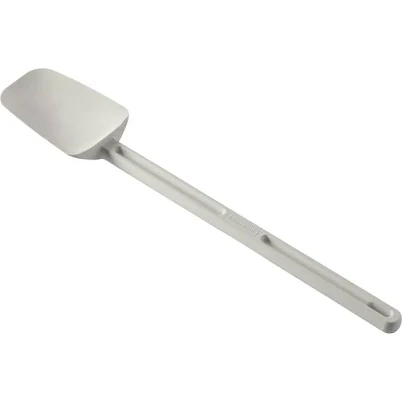
- Rubber or silicone spoon head, handle material unspecified
- We found no PFAS statement from the brand
- BPA & bisphenols. Handle material is not specified. If plastic, risk of BPA or BPS migration is low at room…
2 hazards checked on this product, all on its full breakdown.
Find an alternative on AmazonWhich Rubbermaid products contain PFAS? Poor and Bad, we’d swap these
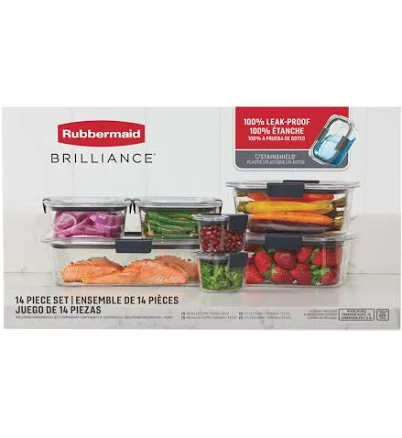
- Polypropylene (PP) plastic with stain-resistant treatment
- We found no PFAS statement from the brand
- PFAS. The StainShield coating's chemical composition is undisclosed. Stain-resistant coatings in food-contact…
4 hazards checked on this product, all on its full breakdown.
Find an alternative on AmazonWhat to buy instead Good or better, in the categories Rubbermaid sells
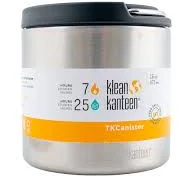
Klean Kanteen
Double Wall Vacuum Insulated Stainless Steel Food Canister Container with Leak Proof Lid
- Stainless steel body, silicone gasket lid seal
- The brand calls it PFAS-free, which we have not verified
- Silicone gasket degradation
3 hazards checked on this product, all on its full breakdown.
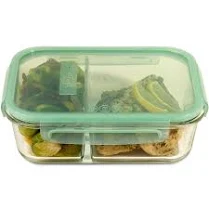
- borosilicate glass
- We found no PFAS statement from the brand
- Leaching from glass matrix or lid seals
2 hazards checked on this product, all on its full breakdown.
- Stainless steel container, no surface treatment
- Lid/gasket polymer leaching
3 hazards checked on this product, all on its full breakdown.
- silicone-coated parchment paper
- The brand calls it PFAS-free, which we have not verified
- Paper degradation and particulate shedding
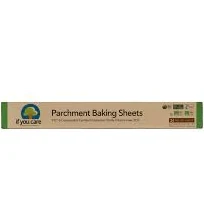
- unbleached paper with silicone coating
- The brand calls it PFAS-free, which we have not verified
- Silicone coating degradation at high heat
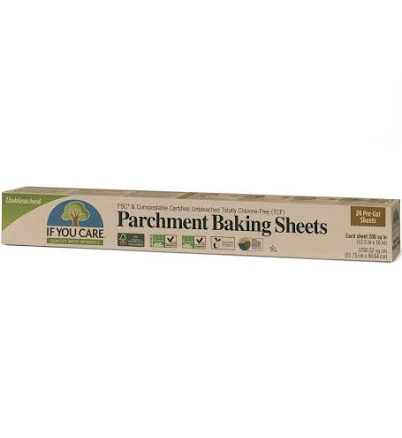
- bleached paper with silicone coating
- The brand calls it PFAS-free, which we have not verified
- Paper degradation and fragmentation
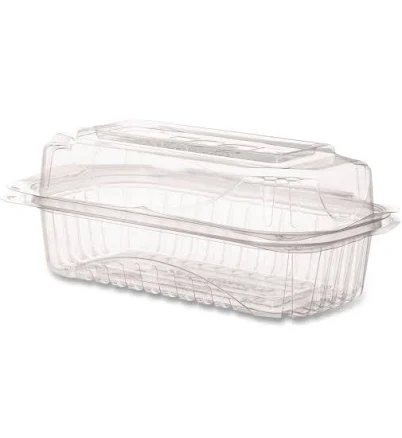
Eco-Products
Compostable Clear Clamshell Hinged Food
- Compostable resin (PLA/PBAT blend, plant-based)
- A third party reports verifying it as PFAS-free
- Thermal degradation and chemical release at use temperatures
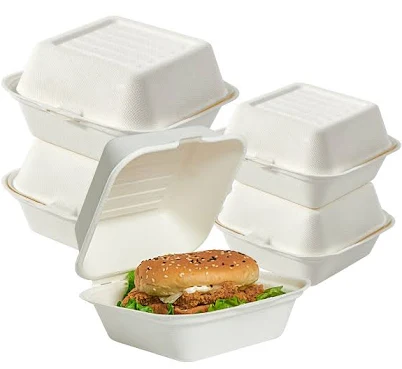
- Sugarcane bagasse (compostable fiber)
- We found no PFAS statement from the brand
- Bleaching agents and residual processing chemicals
3 hazards checked on this product, all on its full breakdown.
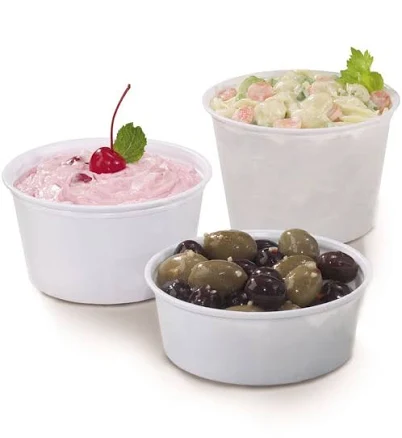
- polypropylene (PP) container, uncoated
- We found no PFAS statement from the brand
- Microplastics
2 hazards checked on this product, all on its full breakdown.
Rubbermaid and PFAS, common questions
- Does Rubbermaid have PFAS?
- Rubbermaid averages 70 out of 100 on PFAS Authority's PFAS and toxin screen across the 32 Rubbermaid products graded as of October 2026, and 31 of them reach its 70 point pass mark. Grades are model-based estimates built from published materials, ingredients and disclosures, not lab tests.
- Is Rubbermaid non-toxic?
- Rubbermaid 24 Pc Easy Find Lid Containers & 8 Pc Stainless Container Set is the highest-graded Rubbermaid product we have scored, at 80/100. It depends on the product line rather than the brand, so check the grade of the exact item you are buying.
- Which Rubbermaid products are lower concern for PFAS?
- The highest-graded Rubbermaid products we have scored are Rubbermaid 24 Pc Easy Find Lid Containers & 8 Pc Stainless Container Set, 24 pc Rubbermaid Easy Find Lid Containers & 8 pc Stainless Container Set, Rubbermaid Commercial Cook's Scraper. That is our model-based estimate from materials and public disclosure, not a lab test.
- Which Rubbermaid products should I avoid?
- The lowest-graded Rubbermaid products we have scored are Rubbermaid Brilliance StainShield Plastic Food Storage Containers. Each one links to the evidence behind its grade.
Every grade uses the same public rubric. How grades work →