Rubbermaid · Disposable Food Containers
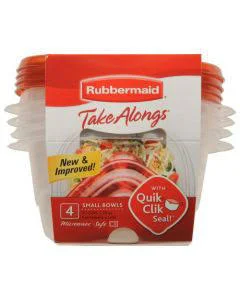
Rubbermaid TakeAlongs 3.2-Cup Round Food Container 4-Pack
Lower concern, basic plastic food storage without known PFAS coatings.
Rubbermaid TakeAlongs are polypropylene without advertised nonstick or grease-resistant treatments. No PFAS disclosure exists, but the base material carries lower risk than treated cookware or coated textiles.
We flunk more products than we pass. This one earned its grade. How we grade
Material
Polypropylene plastic container with snap-lock lid
Brand disclosure
Brand is silent on PFAS
Lab data
No public lab test
You may also be interested in
Top-graded picks in the categories readers replace first, every one scored on the same rubric.

- polypropylene filter housing, carbon/sediment cartridge
- We found no PFAS statement from the brand
- Bacterial growth in spent cartridges
3 hazards checked on this product, all on its full breakdown.

Aquasure
Premier Series 75 GPD Under Sink Reverse Osmosis Water Filtration System
- RO membrane, carbon filters, stainless steel housing
- We found no PFAS statement from the brand
- Bacterial and microbial growth in housing and filters
4 hazards checked on this product, all on its full breakdown.

Avocado
Vegan Mattress
- organic cotton, natural latex, coconut coir, recycled steel coils
- The brand calls it PFAS-free, which we have not verified
- Heavy metals
2 hazards checked on this product, all on its full breakdown.
What Rubbermaid TakeAlongs Container 4-Pack is made of, ingredients and materials
This container is polypropylene (PP, #5 plastic), a thermoplastic polymer chosen for food storage because it resists cracking and does not leach BPA or BPS at normal temperatures. Polypropylene is chemically stable below 100°C and does not require problematic plasticizers like phthalates to remain flexible. The snap-lock lid is also PP, which minimizes junction points where different polymer types might degrade unevenly.
What’s concerning
Category baseline
The starting point for this type of product, before anything specific to this product is counted.
No PFAS disclosure
No public statement from the brand about PFAS in this product.
Microplastic shedding from degradation
Repeated heating above 100°C, prolonged UV exposure, or mechanical damage can cause polypropylene to crack and shed small particles into food. Risk is low under normal storage and hand-washing, but microwave use or dishwasher abuse increases likelihood.
Mold or bacterial growth in lid seals
The snap-lock lid design creates crevices that can trap water and food residue if not dried thoroughly after washing. Poor drying conditions may encourage mold or biofilm, particularly in humid environments.
Odor absorption and chemical transfer from external sources
Polypropylene is porous at the molecular level and can absorb strong odors or volatile compounds from surrounding storage areas, particularly if containers are not sealed properly or stored near solvents or off-gassing materials.
What’s reassuring
Base material not linked to PFAS
The main material recorded for this product is not one associated with PFAS.
BPA & bisphenols
Polypropylene does not contain BPA or BPS by material design. No reports of these chemicals in Rubbermaid TakeAlongs products exist in public records.
Source, FDA ↗Phthalate leaching
Polypropylene does not require phthalate plasticizers for flexibility or durability. This material class does not use phthalates in food-contact applications.
How is this PFAS grade calculated?
The brand's record and disclosure
Rubbermaid (owned by Newell Brands) has not publicly disclosed detailed chemical composition policies or independent third-party certifications (such as NSF or FDA food-contact affirmations) for this specific product line in widely available sources. The brand does not advertise BPA-free status prominently on consumer packaging for this model, though polypropylene inherently contains no BPA. No established recalls or contamination incidents specific to TakeAlongs containers have been documented in public health databases.
How it compares in its category
Polypropylene food containers are considered mid-to-high safety within plastic food storage. They rank better than older polycarbonate or polyvinyl chloride alternatives but are functionally equivalent to most glass or stainless-steel options in terms of chemical leaching risk. Rubbermaid's snap-lock design is a consumer convenience feature; it does not add or reduce chemical hazards compared to simple screw-top polypropylene containers from other manufacturers.
If you buy it
Do not use these containers in the microwave or oven above 100°C, as polypropylene softens and may warp, risking microplastic shedding into food. Hand-wash or use gentle machine cycles; dishwasher high heat may degrade seals and snap mechanisms faster. Replace containers if cracks, discoloration, or odor develop, as these signal polymer degradation. Avoid storing acidic, fatty, or alcoholic foods for extended periods, as these can accelerate minor surface erosion in plastic.
What is not known about PFAS in this product?
- Basis
- Model estimate, 72% confidence, not a lab result
- Lab test
- None on record for this exact product
- Brand statement
- Rubbermaid has made none
Formulations change between production runs, so check the current label. How we grade.
What are the PFAS-free alternatives to Rubbermaid TakeAlongs 3.2-Cup Round Food Container 4-Pack?
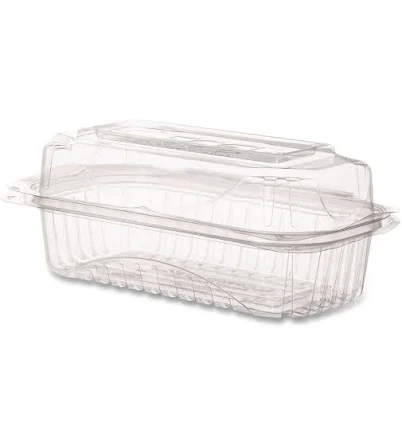
Eco-Products
Compostable Clear Clamshell Hinged Food
- Compostable resin (PLA/PBAT blend, plant-based)
- A third party reports verifying it as PFAS-free
- Thermal degradation and chemical release at use temperatures
More disposable food containers grades
How we score, every product runs through the same public 0-100 rubric based on materials, coatings, brand disclosure, lab findings, and recalls. See the full methodology → Spotted a mistake? Report an error.