Rubbermaid · Disposable Food Containers
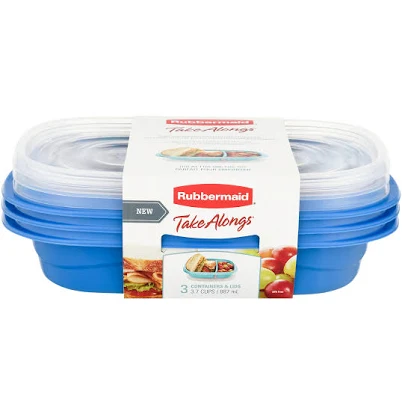
Rubbermaid TakeAlongs Divided Food Storage Container
Lower concern, standard PP food container with no PFAS indicators.
Rubbermaid TakeAlongs are polypropylene storage containers with no known Teflon-family coating treatments or nonstick coatings. No PFAS concerns or disclosures found.
We flunk more products than we pass. This one earned its grade. How we grade
Material
Polypropylene (PP) plastic container and lid
Brand disclosure
Brand is silent on PFAS
Lab data
No public lab test
You may also be interested in
Top-graded picks in the categories readers replace first, every one scored on the same rubric.

- polypropylene filter housing, carbon/sediment cartridge
- We found no PFAS statement from the brand
- Bacterial growth in spent cartridges
3 hazards checked on this product, all on its full breakdown.

Aquasure
Premier Series 75 GPD Under Sink Reverse Osmosis Water Filtration System
- RO membrane, carbon filters, stainless steel housing
- We found no PFAS statement from the brand
- Bacterial and microbial growth in housing and filters
4 hazards checked on this product, all on its full breakdown.

Avocado
Vegan Mattress
- organic cotton, natural latex, coconut coir, recycled steel coils
- The brand calls it PFAS-free, which we have not verified
- Heavy metals
2 hazards checked on this product, all on its full breakdown.
What Rubbermaid TakeAlongs Divided Container is made of, ingredients and materials
Rubbermaid TakeAlongs are molded from polypropylene (PP), a thermoplastic polymer ranked #5 in the resin code system. PP does not contain BPA, phthalates, or formaldehyde resins in its base polymer. The divided compartments and hinged lid are injection-molded from the same material without vinyl glazes, ceramic coatings, or heavy-metal pigments. PP's chemical stability at room temperature and typical refrigerator use makes leaching of harmful additives unlikely under normal handling.
What’s concerning
Category baseline
The starting point for this type of product, before anything specific to this product is counted.
No PFAS disclosure
No public statement from the brand about PFAS in this product.
Additive leaching (PP stabilizers and colorants)
Polypropylene food containers use calcium carbonate, pigments, and processing aids as stabilizers. At room temperature and refrigeration, leaching is minimal; exposure to hot foods, acidic liquids, or high-heat dishwashing increases risk slightly. No specific recall or contamination event is documented for Rubbermaid TakeAlongs.
Microplastics
Repeated heating, stress-cracking, and UV exposure can degrade PP surface over years of use. Fine plastic particles may shed into food, particularly if the container is overheated or mechanically damaged. Risk is low with normal care but increases with misuse or age.
Source, EPA ↗Mold and bacterial growth (maintenance-related)
The hinged lid and divided compartments create crevices where food residue and moisture can accumulate if not thoroughly dried after washing. This is a storage hygiene issue rather than an inherent material hazard but is more pronounced in complex-geometry containers than smooth alternatives.
What’s reassuring
Base material not linked to PFAS
The main material recorded for this product is not one associated with PFAS.
BPA & bisphenols
Polypropylene base resin does not contain BPA or phthalate plasticizers by formulation. Rubbermaid labels this product BPA-free, and no evidence links TakeAlongs to phthalate migration.
Source, FDA ↗Coating degradation or flaking
TakeAlongs containers have no applied glaze, enamel, or decorative coating; the color is integral to the injected molded plastic. No flaking or coating-shedding hazard is associated with PP molded containers of this design.
How is this PFAS grade calculated?
The brand's record and disclosure
Rubbermaid (owned by Newell Brands) does not publicly disclose PFAS content or make formal PFAS-free certifications for this product line, but maintains BPA-free labeling on many food-contact items. The brand has no documented recalls specific to chemical hazards in TakeAlongs containers. Rubbermaid follows FDA food-contact regulations but does not voluntarily pursue third-party certifications (e.g., GreenGuard) for plastic food storage.
How it compares in its category
PP food containers are a mainstream, safe-use choice compared to melamine or polycarbonate alternatives that carry higher contamination risks. TakeAlongs occupy a mid-market position between budget polystyrene (PS #6, higher leaching risk) and premium glass or stainless-steel containers. Peer products from Glad and Sistema use identical PP chemistry, so this product sits in the norm for its category.
If you buy it
Avoid prolonged heating above 130C (266F) and microwave only if the product is labeled microwave-safe; heat stress degrades PP and can accelerate leaching of stabilizers. Store acidic foods (citrus, tomato) for short periods only, as they slightly elevate additive migration. Inspect the hinged lid quarterly for stress cracks; replace the container if the plastic becomes cloudy, brittle, or shows visible damage. Hand-wash in warm, soapy water rather than high-heat dishwasher cycles to extend lifespan.
What is not known about PFAS in this product?
- Basis
- Model estimate, 72% confidence, not a lab result
- Lab test
- None on record for this exact product
- Brand statement
- Rubbermaid has made none
Formulations change between production runs, so check the current label. How we grade.
What are the PFAS-free alternatives to Rubbermaid TakeAlongs Divided Food Storage Container?
Eco-Products
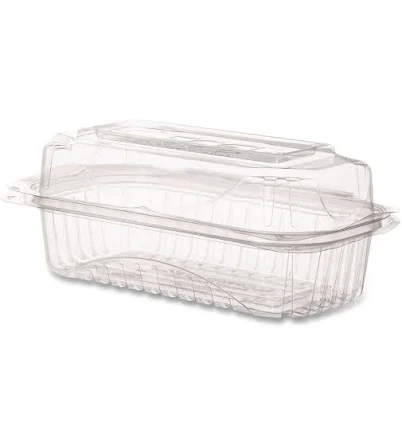
Compostable Clear Clamshell Hinged Food
- Compostable resin (PLA/PBAT blend, plant-based)
- A third party reports verifying it as PFAS-free
- Thermal degradation and chemical release at use temperatures
More disposable food containers grades
How we score, every product runs through the same public 0-100 rubric based on materials, coatings, brand disclosure, lab findings, and recalls. See the full methodology → Spotted a mistake? Report an error.