Rubbermaid · Disposable Food Containers
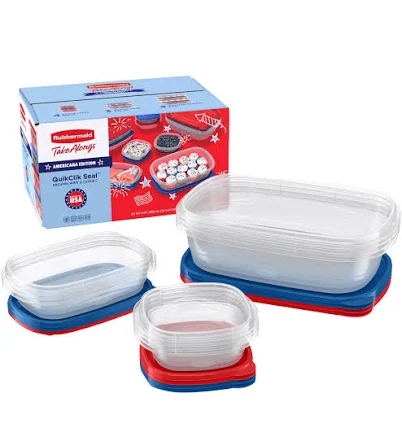
Rubbermaid TakeAlongs Special-Edition Americana Food Storage Container Set
Lower concern, polypropylene food storage unlikely to contain PFAS.
Rubbermaid TakeAlongs are standard polypropylene containers with no known PFAS-containing coatings. No brand PFAS disclosure exists, but material type suggests lower risk than treated cookware.
We flunk more products than we pass. This one earned its grade. How we grade
Material
Polypropylene (PP) plastic containers
Brand disclosure
Brand is silent on PFAS
Lab data
No public lab test
You may also be interested in
Top-graded picks in the categories readers replace first, every one scored on the same rubric.

- polypropylene filter housing, carbon/sediment cartridge
- We found no PFAS statement from the brand
- Bacterial growth in spent cartridges
3 hazards checked on this product, all on its full breakdown.

Aquasure
Premier Series 75 GPD Under Sink Reverse Osmosis Water Filtration System
- RO membrane, carbon filters, stainless steel housing
- We found no PFAS statement from the brand
- Bacterial and microbial growth in housing and filters
4 hazards checked on this product, all on its full breakdown.

Avocado
Vegan Mattress
- organic cotton, natural latex, coconut coir, recycled steel coils
- The brand calls it PFAS-free, which we have not verified
- Heavy metals
2 hazards checked on this product, all on its full breakdown.
What Rubbermaid TakeAlongs Container Set is made of, ingredients and materials
These containers are polypropylene (PP), a thermoplastic polymer with lower concern for BPA, phthalates, and other endocrine disruptors by formulation. PP has a higher melting point (around 130°C/266°F) than many other food-use plastics, making it suitable for warm (not hot) foods and microwave reheating within label limits. The material is inert under normal household storage and does not leach monomers or oligomers into food at room temperature or during brief heating. Rubbermaid's food storage lines typically use virgin PP resin with minimal additives disclosed in available safety data.
What’s concerning
Category baseline
The starting point for this type of product, before anything specific to this product is counted.
No PFAS disclosure
No public statement from the brand about PFAS in this product.
Microplastic shedding when heated
Repeated microwaving and thermal cycling can cause slow degradation and microscopic particle release, though not recognized as a documented public health risk at household use levels. Staying within label temperature limits (avoid overheating) reduces this theoretical concern.
Off-gassing or odor (non-chemical)
New PP containers sometimes emit a mild plastic odor that fades within days to weeks; this is a normal volatilization of processing residue, not a chemical hazard, but odor persistence beyond a month may signal additives or mold and warrants replacement.
What’s reassuring
Base material not linked to PFAS
The main material recorded for this product is not one associated with PFAS.
BPA & bisphenols
Polypropylene does not contain bisphenol A or bisphenol S by formulation. No evidence of leaching in normal food storage use has been reported for Rubbermaid TakeAlongs or comparable PP containers.
Source, FDA ↗Phthalate plasticizers
PP does not require phthalates for flexibility; they are not present in food-grade polypropylene. This hazard class does not apply to this material.
Pigment or colorant toxicity
The Americana special edition uses colored PP, which may contain synthetic organic dyes or mineral pigments. No specific recalls or safety complaints are on record for this product, and FDA-approved colorants in PP have no hazard of this kind on record for food contact.
How is this PFAS grade calculated?
The brand's record and disclosure
Rubbermaid (Newell Brands) does not publish detailed ingredient or additive transparency documents for food storage containers, which is typical for the category but limits independent verification of exact colorant or stabilizer packages. The brand has no formal recalls on record for this product line related to chemical leaching or degradation. Rubbermaid has faced no major regulatory enforcement actions specific to food storage toxicity. The company maintains FDA compliance for food-contact plastics but does not volunteer third-party testing certificates for consumer review.
How it compares in its category
PP food storage presents lower concern than recycled PET (code 1) or older polycarbonate, though glass alternatives have more detailed disclosure. Rubbermaid TakeAlongs occupy a mainstream market position alongside Ziploc, Pyrex, and OXO; their opacity and durability are competitive advantages, but the lack of active PFAS or BPA statements aligns them with industry baseline rather than premium safety positioning. Most comparable PP containers show identical hazard profiles, low chemical risk, moderate heat limits, normal degradation under UV or repeated thermal stress.
If you buy it
Follow Rubbermaid's printed guidance, avoid temperatures above 100°C (212°F) and direct contact with high-heat stovetop or oven elements; microwave on medium power only. Replace containers if cracks, cloudiness, or persistent odors develop, as these signal polymer degradation and potential microleaching. Wash by hand or on the hot cycle in a dishwasher; avoid abrasive scouring pads that thin the plastic. Store away from direct sunlight and strong solvents (vinegar on occasion is acceptable; chlorine or acetone are not). These containers typically last 3-5 years with normal use before replacement is prudent.
What is not known about PFAS in this product?
- Basis
- Model estimate, 72% confidence, not a lab result
- Lab test
- None on record for this exact product
- Brand statement
- Rubbermaid has made none
Formulations change between production runs, so check the current label. How we grade.
What are the PFAS-free alternatives to Rubbermaid TakeAlongs Special-Edition Americana Food Storage Container Set?
Eco-Products
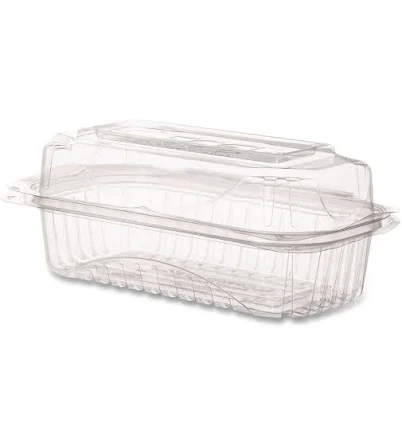
Compostable Clear Clamshell Hinged Food
- Compostable resin (PLA/PBAT blend, plant-based)
- A third party reports verifying it as PFAS-free
- Thermal degradation and chemical release at use temperatures
More disposable food containers grades
How we score, every product runs through the same public 0-100 rubric based on materials, coatings, brand disclosure, lab findings, and recalls. See the full methodology → Spotted a mistake? Report an error.