Salewa · Camping Tents & Tarps
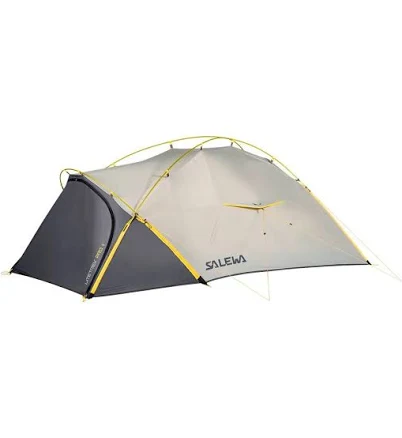
Salewa Litetrek Pro II Tent
Wait for Salewa to clarify their water-repellent coating formula, as silence on PFAS in waterproof gear raises concern.
The Litetrek Pro II combines water-repellent coating-coated polyester, a class historically dependent on PFAS for water repellency. Salewa discloses nothing about PFAS-free status or coating details. Industry practice shows PFAS-based Teflon-family coating are common in tents at this price level.
Still want this one anyway? Check the price on Amazon. We’d swap it.
Material
Polyester tent fabric with water-repellent coating (water-repellent coating) coating
Brand disclosure
Brand is silent on PFAS
Lab data
No public lab test
What Salewa Litetrek Pro II Tent is made of, ingredients and materials
The Litetrek Pro II uses polyester fabric as the primary tent material, a petroleum-derived synthetic that is chemically stable and does not off-gas formaldehyde or volatile organic compounds under normal camping conditions. The critical component is the water-repellent coating (water-repellent coating) coating applied to the polyester. water-repellent coating coatings historically relied on fluorinated compounds (PFAS) to achieve water repellency, though some manufacturers have shifted to non-fluorinated alternatives. Salewa has not publicly disclosed whether their water-repellent coating formula contains PFAS or uses PFAS-free technology, making this the primary uncertainty for this product.
What’s concerning
Category baseline
The starting point for this type of product, before anything specific to this product is counted.
No PFAS disclosure
No public statement from the brand about PFAS in this product.
Waterproof / stain-resistant treatment
Water-repellent coating treatments have historically used PFAS.
PFAS
Salewa does not disclose water-repellent coating chemistry. Fluorinated PFAS in water-repellent coating coatings can leach into soil and water at tent site, especially during washing or degradation. Absence of vendor transparency prevents confirmation of PFAS-free alternatives.
Source, ATSDR ↗What’s reassuring
Polyester fabric off-gassing
Polyester itself is chemically inert at normal camping temperatures and does not off-gas formaldehyde, volatile organic compounds, or heavy metals. No reports of health issues from polyester tent fabric in standard use.
Adhesives and seam sealants
Tent seams are typically sealed with polyurethane or silicone adhesives that are not volatile at ambient temperatures. No documented health concerns or recalls for Salewa tent seam sealants.
Heavy metals
Polyester dyes used in outdoor textiles are not typically sources of lead or cadmium at levels that pose leaching risk. Salewa has no known recalls or complaints related to dye contamination in tents.
Source, FDA ↗Flame retardants
This tent is not marketed as fire-resistant and no flame retardant treatment is documented. Polyester itself is moderately flammable but not treated with brominated or chlorinated flame retardants.
Source, EPA ↗The full breakdown
The brand's record and disclosure
Salewa (owned by Dolomite, part of Pentland Group) does not maintain a publicly available transparency statement on PFAS use in waterproof coatings. The brand has not signed onto the PFAS Stewardship Program or similar initiatives. Search of available Salewa product documentation, environmental reports, and certifications reveals no specific commitment to PFAS-free waterproofing. This silence is notable in a category where competitors like MSR and some arc'teryx lines have begun disclosing non-PFAS water-repellent coating options.
How it compares in its category
Most mainstream tent brands still use fluorinated water-repellent coating coatings, making the Litetrek Pro II typical rather than exceptional in this regard. Niche competitors (REI Co-op, some cottage brands) increasingly offer PFAS-free water-repellent coating tents, though at similar or higher price points. The Litetrek Pro II is marketed as a lightweight backpacking tent with solid durability claims; its lack of transparency does not distinguish it negatively from peers, but the category overall is moving toward clarity on chemical inputs.
If you buy it
Contact Salewa directly to request their water-repellent coating specification and PFAS status before purchase if this is a deciding factor. Polyester tents do not require special heating or off-gassing precautions during setup. Rinse the tent with fresh water after use in salt spray or harsh conditions to extend coating life. Replace or recoat the water-repellent coating when water no longer beads on fabric (typically 3-5 years of regular use); avoid fluorinated re-treatments if you are concerned about PFAS accumulation.
What we don’t know
- Basis
- Model estimate, 45% confidence, not a lab result
- Lab test
- None on record for this exact product
- Brand statement
- Salewa has made none
Formulations change between production runs, so check the current label. How we grade.
More camping tents & tarps grades
How we score, every product runs through the same public 0-100 rubric based on materials, coatings, brand disclosure, lab findings, and recalls. See the full methodology → Spotted a mistake? Report an error.