Salewa · Camping Tents & Tarps
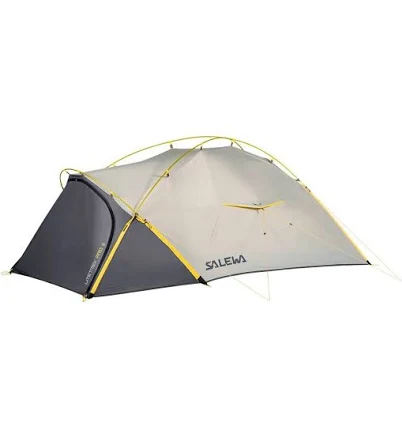
Salewa Litetrek Pro Iii Tent
Wait for Salewa to reveal their water-repellent coating formula or certify PFAS-free.
The Litetrek Pro III features polyester shell treated with water-repellent finish, a common application for PFAS compounds like Teflon-type coating and other Teflon-family coating. Salewa refuses to disclose the water-repellent coating treatment chemistry or claim PFAS-free status.
Still want this one anyway? Check the price on Amazon. We’d swap it.
Material
Polyester fabric with water-repellent coating (water-repellent coating) coating
Brand disclosure
Brand is silent on PFAS
Lab data
No public lab test
What Salewa Litetrek Pro Iii Tent is made of, ingredients and materials
The Litetrek Pro III uses polyester fabric treated with a water-repellent coating (water-repellent coating) coating. water-repellent coating finishes are essential for tent performance but historically relied on PFAS "forever chemicals" (PFAS) to achieve water-shedding properties. Salewa has not publicly disclosed whether their water-repellent coating formulation contains PFAS, fluorocarbon-free alternatives, or what chemical class their coating uses. Polyester itself is chemically stable and does not leach; the coating is the material of concern.
What’s concerning
Category baseline
The starting point for this type of product, before anything specific to this product is counted.
No PFAS disclosure
No public statement from the brand about PFAS in this product.
Waterproof / stain-resistant treatment
Water-repellent coating treatments have historically used PFAS.
PFAS
Water-repellent coating finish composition is undisclosed. Salewa does not confirm or deny PFAS use. Exposure risk during normal tent use is low (fabric contact during setup/takedown); risk increases if coating degrades or tent is washed/heated.
Source, ATSDR ↗Coating degradation and leachables
Water-repellent coating coatings degrade over time with UV exposure and washing. As coating breaks down, unknown additives or residual chemicals may leach at low levels. This is a material-class issue, not specific to Salewa, but timing and intensity depend on care and storage conditions.
What’s reassuring
Microplastics
No reports of excessive shedding or fiber release from Salewa tents under normal use. Polyester fabrics are durable; microplastic release is minimal unless fabric is abraded heavily or washed repeatedly.
Source, EPA ↗Heavy metals
Polyester tents are typically dyed with modern synthetic dyes that do not rely on heavy metal fixatives. No contamination reports exist for Salewa tents. Standard textile manufacturing controls minimize this risk.
Source, FDA ↗Off-gassing or volatile organic compounds (VOCs)
New polyester tents may have minor off-gassing of manufacturing residues (solvents, lubricants) during first use or storage. This is temporary and common across brands; airing out the tent before use mitigates it.
The full breakdown
The brand's record and disclosure
Salewa (owned by Dynafit/Kering) is a European outdoor brand with no known major safety recalls or contamination incidents involving their tents. However, they have not published water-repellent coating chemistry transparency, PFAS test results, or commitment to PFAS-free coatings as some competitors (e.g., Patagonia, some MSR models) have done. Their silence on this issue is notable given the outdoor industry's growing scrutiny of PFAS in water-resistant gear.
How it compares in its category
Most mainstream tent brands use some form of Teflon-type coating or fluorocarbon water-repellent coating; very few disclose their formula or certify PFAS-free status. Salewa's position is typical of mid-to-premium brands that prioritize performance durability over transparency. Premium outdoor brands increasingly offer PFAS-free tent options (Nemo, Big Agnes), but these remain less common at Salewa's price point and category. The Litetrek Pro III is not an outlier in its coating risk profile, but also offers no competitive transparency advantage.
If you buy it
Store the tent dry and well-ventilated; do not machine-wash or dry-clean (both can degrade coatings and potentially mobilize coating chemicals). Hand-rinse gently with cool water if cleaning is necessary. Inspect the fabric and seams annually for peeling or degradation of the water-repellent coating layer; a deteriorating coating poses less functional risk but may indicate chemical breakdown. Consider asking Salewa customer service directly about their water-repellent coating formulation and whether they use PFAS; brand pressure from consumers is a legitimate driver of disclosure.
What we don’t know
- Basis
- Model estimate, 45% confidence, not a lab result
- Lab test
- None on record for this exact product
- Brand statement
- Salewa has made none
Formulations change between production runs, so check the current label. How we grade.
More camping tents & tarps grades
How we score, every product runs through the same public 0-100 rubric based on materials, coatings, brand disclosure, lab findings, and recalls. See the full methodology → Spotted a mistake? Report an error.