Salewa · Camping Tents & Tarps
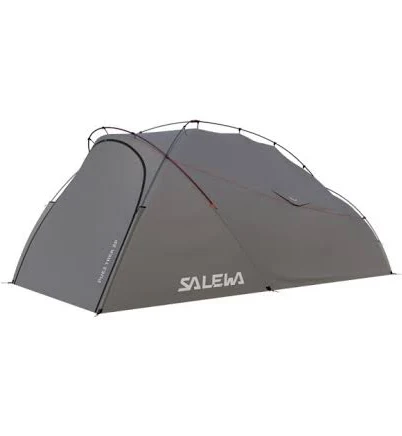
Salewa PUEZ Trek 2P Tent
Skip or contact Salewa directly.
This tent uses nylon ripstop with water-repellent treatment that Salewa refuses to specify. Tents typically rely on Teflon-family coating-based waterproofing.
Still want this one anyway? Check the price on Amazon. We’d swap it.
Material
Nylon ripstop fabric with water-repellent coating (type unspecified)
Brand disclosure
Brand is silent on PFAS
Lab data
No public lab test
What Salewa PUEZ Trek 2P Tent is made of, ingredients and materials
The Salewa PUEZ Trek 2P uses nylon ripstop fabric as its primary shell material. Nylon itself is chemically stable and does not leach hazardous monomers like BPA or phthalates under normal conditions. The critical unknown is the water-repellent coating (water-repellent coating) coating applied to the nylon, Salewa does not publicly specify whether this uses fluorocarbon-based chemistry (PFAS-containing) or newer alternatives like paraffin, silicone, or wax-based systems. This coating determines waterproofing performance but also carries the primary chemical risk.
What’s concerning
Category baseline
The starting point for this type of product, before anything specific to this product is counted.
No PFAS disclosure
No public statement from the brand about PFAS in this product.
Waterproof / stain-resistant treatment
Water-repellent coating treatments have historically used PFAS.
water-repellent coating composition (fluorocarbon vs. non-fluorocarbon)
Salewa has not disclosed whether the PUEZ uses legacy PFAS-based water-repellent coating or modern alternatives. Field off-gassing of coating during manufacturing or heavy use is not documented, but fluorocarbon coatings can release volatile organic compounds under heat.
What’s reassuring
Nylon degradation and microplastic shedding
Nylon ripstop does not inherently shed microplastics under normal camping use. Degradation occurs primarily through UV and mechanical wear over many years; tents are not heated or laundered frequently, limiting microplastic release pathways.
Seam tape adhesive safety
Modern seam-sealing tapes typically use polyurethane or acrylic adhesives; Salewa does not disclose seam tape composition, but no health risks are established from contact with intact sealed seams during normal use.
Heavy metals
Nylon ripstop fabrics used in outdoor tents are generally dyed with azo dyes or vat dyes that meet EN or OEKO-TEX standards in European manufacturing. No contamination recalls are on record for Salewa tents.
Source, FDA ↗Flame retardants
Camping tents are not routinely treated with flame retardants under current regulations. Nylon itself is not highly flammable; Salewa does not list flame-retardant finishes on the PUEZ model.
Source, EPA ↗The full breakdown
The brand's record and disclosure
Salewa is a reputable European outdoor brand (owned by Intersport) with no public history of recalls or contamination scandals specific to tent materials. However, the company does not currently publish water-repellent coating specifications or PFAS declarations on product pages or technical datasheets for consumer tents. This silence is notable given that major competitors (Arc'teryx, MSR) increasingly disclose waterproofing chemistry or commit to PFAS-free alternatives. Salewa's lack of transparency suggests either legacy use of fluorocarbon coatings or a policy gap rather than deliberate avoidance of fluorocarbon-based options.
How it compares in its category
Most mainstream backpacking tents in Salewa's price range (USD 300-500) use either older PFAS-based water-repellent coating (polytetrafluoroethylene derivatives) or hybrid/transitional coatings. A growing minority of brands (Big Agnes, REI Co-op) now market PFAS-free or fluorocarbon-free models, though they often cost more or sacrifice some durability. The Salewa PUEZ sits in the middle, it is neither positioned as an eco-alternative nor labeled with PFAS disclosure, making direct comparison difficult without direct inquiry.
If you buy it
Before purchase, email Salewa customer service asking specifically whether the water-repellent coating in the PUEZ Trek 2P is fluorocarbon-free or PFAS-free. In use, nylon ripstop is durable and does not degrade into microplastics under normal camping conditions; UV damage may weaken seams and coatings over 5-10 years of intensive use. Do not store the tent wet or in direct sunlight for extended periods, as this accelerates both coating and nylon degradation. Periodic re-coating with consumer water-repellent coating sprays (check their PFAS status) can extend waterproofing life by 3-5 years.
What we don’t know
- Basis
- Model estimate, 35% confidence, not a lab result
- Lab test
- None on record for this exact product
- Brand statement
- Salewa has made none
Formulations change between production runs, so check the current label. How we grade.
More camping tents & tarps grades
How we score, every product runs through the same public 0-100 rubric based on materials, coatings, brand disclosure, lab findings, and recalls. See the full methodology → Spotted a mistake? Report an error.