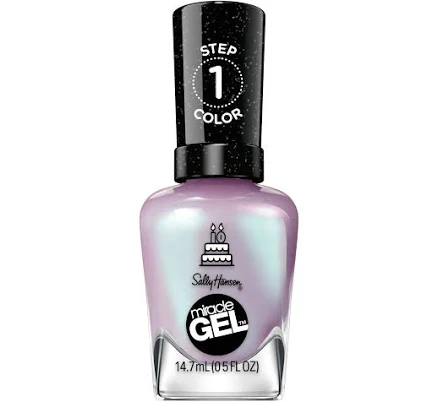
Sally Hansen · Nail Polish & Top Coat
Sally Hansen Miracle Gel Nail Polish, Is It Non-Toxic?
Skip or contact Sally Hansen; nail polish PFAS remains unregulated.
This gel polish lacks PFAS declaration or third-party testing. Gel polishes often contain fluorinated resins for durability, but brand provides no ingredient breakdown.
The better-graded swap
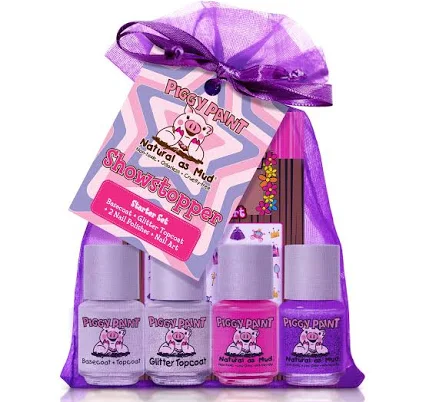
Piggy Paint
Piggy Paint Showstopper Nail Polish Set
100/100 safety
Same rubric that flunked this product. The swap earned Excellent.
Still want this one anyway? Check the price on Amazon. We’d swap it.
Material
gel polish resin base (proprietary formula)
Brand disclosure
Brand is silent on PFAS
Lab data
No public lab test
You may also be interested in
Top-graded picks in the categories readers replace first, every one scored on the same rubric.

- polypropylene filter housing, carbon/sediment cartridge
- We found no PFAS statement from the brand
- Bacterial growth in spent cartridges
3 hazards checked on this product, all on its full breakdown.

Aquasure
Premier Series 75 GPD Under Sink Reverse Osmosis Water Filtration System
- RO membrane, carbon filters, stainless steel housing
- We found no PFAS statement from the brand
- Bacterial and microbial growth in housing and filters
4 hazards checked on this product, all on its full breakdown.

Avocado
Vegan Mattress
- organic cotton, natural latex, coconut coir, recycled steel coils
- The brand calls it PFAS-free, which we have not verified
- Heavy metals
2 hazards checked on this product, all on its full breakdown.
Is Sally Hansen Miracle Gel Nail Polish non-toxic? What it is made of
Miracle Gel is a hybrid gel-polish resin system marketed as non-UV (cures under standard LED lamps). The proprietary base contains methacrylate oligomers and resins, photoinitiators, and solvents including ethyl acetate and isopropyl alcohol. The PFAS concern stems from fluorinated compounds often used in gel formulations to improve flow and durability, though Sally Hansen has not publicly disclosed the specific fluorochemical content or concentration in this product.
What’s concerning
Category baseline
The starting point for this type of product, before anything specific to this product is counted.
No PFAS disclosure
No public statement from the brand about PFAS in this product.
Unknown / proprietary coating
A coating is recorded with no disclosed chemistry.
Volatile Organic Compounds (VOCs)
Gel polish solvents (ethyl acetate, isopropyl alcohol) are established VOCs. Inhalation during application and while curing may cause dizziness, headache, or respiratory irritation, especially in poorly ventilated spaces. Risk is acute and dose-dependent on exposure duration and room air exchange.
Skin sensitization from methacrylates
Methacrylate oligomers in gel formulations are known allergens and can cause contact dermatitis in susceptible individuals. Miracle Gel's proprietary resin blend contains uncured methacrylates that may leach if the product contacts skin during application. Individuals with history of resin allergies face elevated risk.
Photoinitiator residues
LED-cured gel polishes contain photoinitiators (e.g., benzoyl peroxide derivatives) to trigger polymerization. Incomplete curing or formula composition may leave residual photoinitiators in the cured film, which can migrate to skin or lips over wear time, particularly if polish is chipped or worn thin.
What’s reassuring
Heavy metals
No recalls or published testing has documented lead, cadmium, or other heavy metals in Sally Hansen Miracle Gel. Industry standards and FDA enforcement for nail polish colorants are loose, but Sally Hansen's mass-market status suggests basic compliance. Specific assay data for this product is not publicly available.
Source, FDA ↗Formaldehyde / VOCs
Miracle Gel is not marketed as containing formaldehyde, and modern gel polishes typically avoid it in favor of methacrylates. No established reports of formaldehyde in this product exist, though the proprietary formula prevents full verification without independent lab analysis.
Source, ATSDR ↗How is this PFAS grade calculated?
The brand's record and disclosure
Sally Hansen (Coty Inc.) has not published detailed ingredient transparency or pursued third-party certifications (e.g. The company does not publicly confirm or deny PFAS use in Miracle Gel or other lines. No major recalls specific to this product have been documented, but the brand's silence on chemical formulations is a red flag for consumers seeking assurance on fluorochemicals and other additives.
How it compares in its category
Most gel polishes contain PFAS; Miracle Gel is not unique in this regard. Brands like Ella+Mila and Zoya explicitly market PFAS-free formulations, though at higher cost. Sally Hansen's market position is mass-market accessibility, not chemical safety leadership. Among mainstream gel lines, Miracle Gel's opacity and wear claims are competitive, but alternatives with disclosed ingredient lists exist at similar or moderate price premiums.
If you buy it
Use in well-ventilated spaces or near an open window to minimize inhalation of solvent vapors and any airborne PFAS. Do not heat the bottle or leave it in direct sunlight, as gel polish resins can degrade and increase leachate risk. Replace the product every 1-2 years, as opened gel formulations can oxidize and lose stability. If cured under LED lamp per instructions (typically 30-60 seconds), exposure time is brief; avoid direct skin contact with uncured gel.
What is not known about PFAS in this product?
- Basis
- Model estimate, 35% confidence, not a lab result
- Lab test
- None on record for this exact product
- Brand statement
- Sally Hansen has made none
Formulations change between production runs, so check the current label. How we grade.
What are the PFAS-free alternatives to Sally Hansen Miracle Gel Nail Polish?
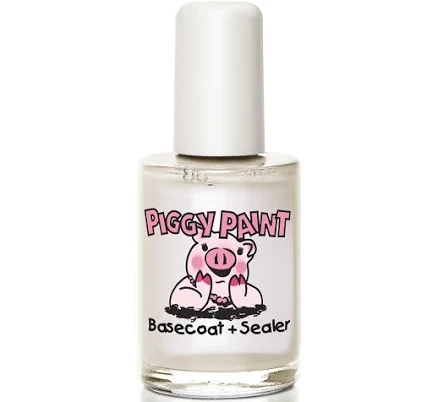
- Water-based organic pigments and plant-derived resins
- The brand calls it PFAS-free, which we have not verified
- Heavy metals
3 hazards checked on this product, all on its full breakdown.
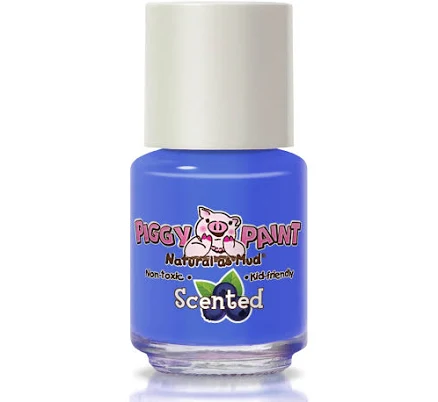
- water-based pigmented lacquer
- The brand calls it PFAS-free, which we have not verified
- Volatile organic compounds (VOCs) from resins and solvents
3 hazards checked on this product, all on its full breakdown.
Piggy Paint
Showstopper Nail Polish Set
- organic pigments, plant-based resins, water-based lacquer
- The brand calls it PFAS-free, which we have not verified
- Volatile organic compounds (VOCs)
2 hazards checked on this product, all on its full breakdown.
More nail polish & top coat grades
How we score, every product runs through the same public 0-100 rubric based on materials, coatings, brand disclosure, lab findings, and recalls. See the full methodology → Spotted a mistake? Report an error.