Scott · Paper Napkins & Paper Towels
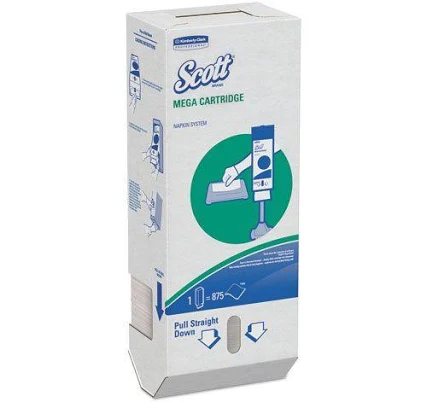
Scott MegaCartridge Napkins
Lower concern. Uncoated napkins have minimal PFAS risk.
Scott MegaCartridge Napkins are plain paper without visible grease-resistant or waterproof treatment. Scott discloses nothing about PFAS and provides limited transparency.
We flunk more products than we pass. This one earned its grade. How we grade
Material
virgin wood pulp, uncoated
Brand disclosure
Brand is silent on PFAS
Lab data
No public lab test
You may also be interested in
Top-graded picks in the categories readers replace first, every one scored on the same rubric.

- polypropylene filter housing, carbon/sediment cartridge
- We found no PFAS statement from the brand
- Bacterial growth in spent cartridges
3 hazards checked on this product, all on its full breakdown.

Aquasure
Premier Series 75 GPD Under Sink Reverse Osmosis Water Filtration System
- RO membrane, carbon filters, stainless steel housing
- We found no PFAS statement from the brand
- Bacterial and microbial growth in housing and filters
4 hazards checked on this product, all on its full breakdown.

Avocado
Vegan Mattress
- organic cotton, natural latex, coconut coir, recycled steel coils
- The brand calls it PFAS-free, which we have not verified
- Heavy metals
2 hazards checked on this product, all on its full breakdown.
What Scott MegaCartridge Napkins is made of, ingredients and materials
Scott MegaCartridge Napkins are made from virgin wood pulp with no coating, finish, or chemical treatment. Uncoated paper napkins do not require bleaching agents, dyes, or synthetic polymers that would introduce leachable compounds into food contact. The pulp is processed through standard kraft or bleach-kraft methods; any residual chlorine from bleaching breaks down rapidly and does not persist in the finished product. This material class poses minimal chemical migration risk compared to coated or treated food-contact papers.
What’s concerning
Category baseline
The starting point for this type of product, before anything specific to this product is counted.
No PFAS disclosure
No public statement from the brand about PFAS in this product.
Ink migration from printing (if printed)
MegaCartridge products may carry printed branding or patterns. Food-contact paper inks are regulated under FDA guidelines, but uncoated paper can absorb oils from some ink formulations at high temperatures. Risk remains theoretical and is not specific to Scott; no incidents reported.
What’s reassuring
Base material not linked to PFAS
The main material recorded for this product is not one associated with PFAS.
Chlorine residue from pulp bleaching
Standard kraft bleaching may leave trace chlorine, which volatilizes during drying and is not documented as a concern in finished tissue products. No recalls or complaints linked to Scott napkins on this basis.
Mold or bacterial growth during storage
Paper napkins do not support microbial growth when stored dry. Risk emerges only if stored in damp conditions; standard home storage poses no hazard.
Microplastic shedding
Virgin pulp napkins do not contain synthetic fibers or plastic additives. No microplastic release is possible with this material composition.
Heavy metals
Scott does not disclose pulp sourcing, but virgin pulp from managed forests carries minimal metal contamination risk compared to recycled sources. No independent testing of Scott napkins for metals has been published; no concerns are documented in the tissue category.
Source, FDA ↗How is this PFAS grade calculated?
The brand's record and disclosure
Scott (Kimberly-Clark subsidiary) does not publicly disclose PFAS testing data or sourcing practices for napkins, which is standard silence in the tissue category rather than a red flag. The brand holds no relevant third-party certifications (FSC, Cradle-to-Cradle) for this product line, though no safety recalls or contamination incidents are documented. Kimberly-Clark has faced scrutiny over PFAS in some personal-care products, but napkins have not been implicated. Lack of transparency is a weak point but does not indicate detected harm.
How it compares in its category
Virgin pulp napkins are the baseline safety profile in paper goods; this product offers no material advantage or disadvantage versus leading competitors (Bounty, Kleenex, store-brand equivalents), all of which use similar uncoated pulp formulations. Recycled-content or bamboo napkins carry slightly lower environmental footprint but identical chemical safety profiles. Bleached napkins (the Scott standard) are indistinguishable from oxygen-bleached alternatives in terms of residual chemical exposure.
If you buy it
Napkins require no special handling; store in a cool, dry place away from strong odors, as uncoated paper absorbs volatiles. Use as intended for food contact without concern for leaching. Disposal is standard; napkins are compostable and create no special waste concerns. No replacement schedule is needed beyond ordinary depletion; purchase based only on consumption rate.
What is not known about PFAS in this product?
- Basis
- Model estimate, 78% confidence, not a lab result
- Lab test
- None on record for this exact product
- Brand statement
- Scott has made none
Formulations change between production runs, so check the current label. How we grade.
More paper napkins & paper towels grades
How we score, every product runs through the same public 0-100 rubric based on materials, coatings, brand disclosure, lab findings, and recalls. See the full methodology → Spotted a mistake? Report an error.