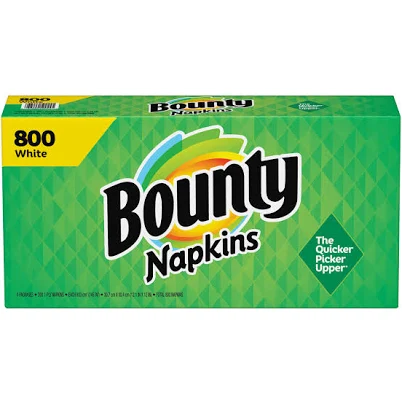
Bounty · Paper Napkins & Paper Towels
Bounty Paper Napkins
Moderate concern. Grease-resistant napkins may use PFAS. Brand silent.
Bounty paper napkins are treated for water and grease resistance, commonly done with PFAS-based coatings in food-contact products. Bounty discloses nothing about coating type.
The better-graded swap
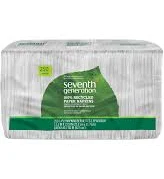
Seventh Generation
100% Recycled Paper Napkins
70/100 safety
Same rubric that flunked this product. The swap earned Good.
Still want this one anyway? Check the price on Amazon. We’d swap it.
Material
wood pulp with water/oil-resistant coating
Brand disclosure
Brand is silent on PFAS
Lab data
No public lab test
You may also be interested in
Top-graded picks in the categories readers replace first, every one scored on the same rubric.

- polypropylene filter housing, carbon/sediment cartridge
- We found no PFAS statement from the brand
- Bacterial growth in spent cartridges
3 hazards checked on this product, all on its full breakdown.

Aquasure
Premier Series 75 GPD Under Sink Reverse Osmosis Water Filtration System
- RO membrane, carbon filters, stainless steel housing
- We found no PFAS statement from the brand
- Bacterial and microbial growth in housing and filters
4 hazards checked on this product, all on its full breakdown.

Avocado
Vegan Mattress
- organic cotton, natural latex, coconut coir, recycled steel coils
- The brand calls it PFAS-free, which we have not verified
- Heavy metals
2 hazards checked on this product, all on its full breakdown.
What Bounty Paper Napkins is made of, ingredients and materials
Bounty paper napkins are wood-pulp based with a water and oil-resistant coating applied to improve durability and absorbency performance. The coating chemistry is not publicly disclosed by the brand, but grease-resistant coatings in this category typically rely on fluorochemical compounds (PFAS) or newer alternatives like wax or silicone. Once used and discarded, the coating becomes irrelevant to consumer exposure, but if the napkin is in contact with food or heated surfaces, microscopic migration of coating components is theoretically possible though not documented as a health incident.
What’s concerning
Category baseline
The starting point for this type of product, before anything specific to this product is counted.
No PFAS disclosure
No public statement from the brand about PFAS in this product.
Waterproof / stain-resistant treatment
Water-repellent coating treatments have historically used PFAS.
PFAS
Grease-resistant coating likely contains PFAS or similar fluorochemicals; brand does not disclose. Risk is minimal in typical napkin use but exists if coating migrates to food or skin during contact with hot or oily substances.
Source, ATSDR ↗Coating degradation and microparticle release
Repeated use or exposure to heat/moisture may cause the coating to flake or degrade. Swallowing small coating particles is unlikely to cause harm, but long-term inhalation of paper dust during storage is not studied.
What’s reassuring
Bleach residues and chlorine byproducts
Commercial paper napkins are typically chlorine-bleached during pulp processing. No documented health incidents from bleach residue in finished napkins; levels are regulated and food-contact applications present lower concern for this hazard.
Ink or printing chemicals
Bounty napkins may include printed patterns or branding. Food-contact inks are regulated; no known contamination issues reported for this brand. Risk is negligible if napkins are used to wipe surfaces rather than wrap food directly.
Chemical sensitivities and fragrance additives
Bounty Select-a-Size and some specialty lines may include scent or softening agents. No fragrance allergens or irritants are documented on product labels; individuals with chemical sensitivities should use unscented white napkins.
How is this PFAS grade calculated?
The brand's record and disclosure
Bounty (Procter and Gamble) does not publicly disclose the specific composition of its napkin coating or state whether PFAS-free alternatives are used. The brand has not published a formal position on PFAS phaseout in paper products, despite industry momentum toward disclosure and alternatives with lower PFAS concern. No recalls or safety controversies specific to Bounty napkins have been reported to the FDA or CPSC. P&G has committed to sustainability in other product lines but remains silent on fluorochemical use in paper-based products.
How it compares in its category
Most major napkin and paper-towel brands (Bounty, Scott, Viva, store brands) use similar coating technologies and do not disclose PFAS content publicly. Some regional and specialty brands now explicitly market PFAS-free or uncoated options, though they typically have lower grease resistance. Bounty holds the largest US market share in premium paper napkins, meaning its silent stance affects a large consumer base. Switching to uncoated or certified PFAS-free alternatives would sacrifice some water-repellency but eliminate this hazard class.
If you buy it
Use Bounty napkins as intended, wiping hands, spills, and dry foods at room temperature. Do not use them as plates for hot or fatty foods, and avoid prolonged contact with skin or mouth. Replace napkins after each use rather than reusing. If PFAS exposure is a personal concern, consider requesting the brand disclose coating chemistry, or opt for uncoated paper napkins or cloth alternatives for high-risk scenarios like eating greasy foods.
What is not known about PFAS in this product?
- Basis
- Model estimate, 55% confidence, not a lab result
- Lab test
- None on record for this exact product
- Brand statement
- Bounty has made none
Formulations change between production runs, so check the current label. How we grade.
What are the PFAS-free alternatives to Bounty Paper Napkins?
- 100% recycled paper
- Trace metals and contaminants from recycled feedstock
2 hazards checked on this product, all on its full breakdown.
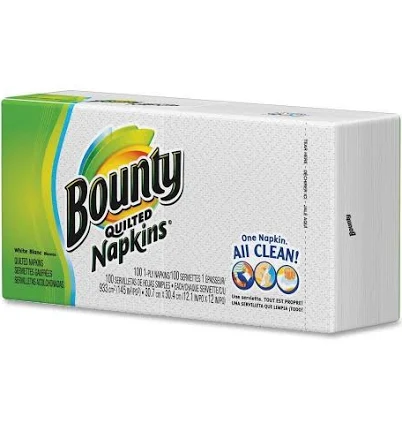
- Virgin wood pulp, 1-ply, no waterproofing layer
- We found no PFAS statement from the brand
- Starting grade for this product type
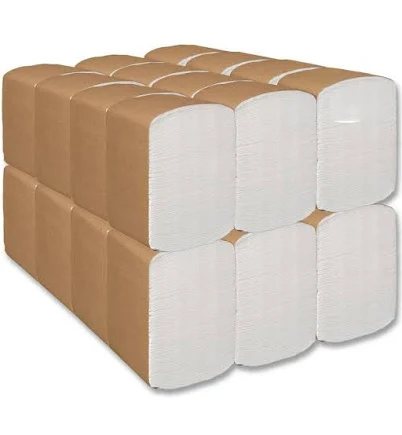
- Virgin wood pulp, 1-ply paper
- We found no PFAS statement from the brand
- Bleach residues and chlorinated byproducts
2 hazards checked on this product, all on its full breakdown.
More paper napkins & paper towels grades
How we score, every product runs through the same public 0-100 rubric based on materials, coatings, brand disclosure, lab findings, and recalls. See the full methodology → Spotted a mistake? Report an error.