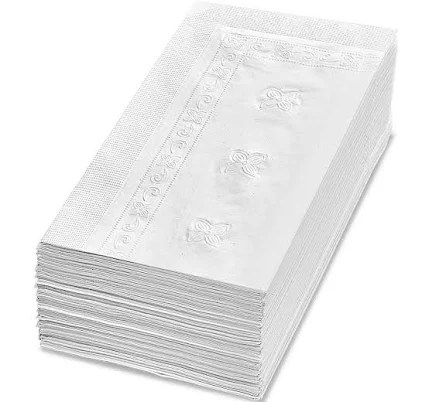
Scott · Paper Napkins & Paper Towels
Scott Full-Fold Dispenser Napkins
Moderate caution. Common napkin category with typical grease-resist coatings. Brand silent.
Scott Full-Fold napkins are standard food-contact paper with grease-resistant coating, a category commonly treated with PFAS-based water or oil repellents. Scott discloses nothing.
The better-graded swap
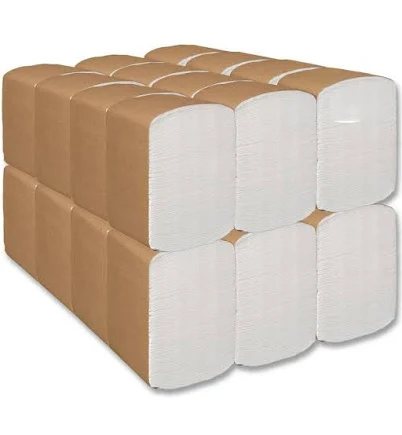
Scott
Scott Full-Fold Dispenser Napkins 1-Ply
70/100 safety
Same rubric that flunked this product. The swap earned Good.
Still want this one anyway? Check the price on Amazon. We’d swap it.
Material
virgin and recycled fiber with grease-resistant coating
Brand disclosure
Brand is silent on PFAS
Lab data
No public lab test
You may also be interested in
Top-graded picks in the categories readers replace first, every one scored on the same rubric.

- polypropylene filter housing, carbon/sediment cartridge
- We found no PFAS statement from the brand
- Bacterial growth in spent cartridges
3 hazards checked on this product, all on its full breakdown.

Aquasure
Premier Series 75 GPD Under Sink Reverse Osmosis Water Filtration System
- RO membrane, carbon filters, stainless steel housing
- We found no PFAS statement from the brand
- Bacterial and microbial growth in housing and filters
4 hazards checked on this product, all on its full breakdown.

Avocado
Vegan Mattress
- organic cotton, natural latex, coconut coir, recycled steel coils
- The brand calls it PFAS-free, which we have not verified
- Heavy metals
2 hazards checked on this product, all on its full breakdown.
What Scott Full-Fold Dispenser Napkins is made of, ingredients and materials
Scott Full-Fold napkins use virgin and recycled fiber blended with a grease-resistant coating to prevent oil and water from soaking through. The coating chemistry is not disclosed by Scott, but grease-resistant paper products commonly rely on fluorochemical compounds (PFAS-based) or, less frequently, silicone or wax alternatives. The full-fold dispensing format itself has no inherent safety impact; the concern centers on the coating's composition and whether it sheds micro-fibers or leachates into food contact.
What’s concerning
Category baseline
The starting point for this type of product, before anything specific to this product is counted.
No PFAS disclosure
No public statement from the brand about PFAS in this product.
Waterproof / stain-resistant treatment
Water-repellent coating treatments have historically used PFAS.
PFAS
Scott has not disclosed whether this napkin uses fluorochemical PFAS-based coatings. Industry standard practice and the 'grease-resistant' claim strongly suggest PFAS presence; transfer to food contact surfaces is possible, particularly with fatty foods.
Source, ATSDR ↗Coating degradation and microfiber shedding
Extended storage, humidity, or physical handling can cause coating breakdown in paper napkins. Shed fibers or coating fragments may be ingested with food if napkins contact eating surfaces.
Bleach residues (if chlorine-bleached fiber)
Scott does not specify if virgin/recycled fiber is chlorine-bleached or elemental chlorine-free (ECF). Standard virgin paper pulp may contain residual chlorine compounds; risk is low if napkin is used for wiping rather than prolonged food contact.
What’s reassuring
Ink or dye on printed areas
Scott napkins typically feature minimal branding or patterns. No heavy metal contamination or allergen dyes have been reported for this product line; standard food-service inks are regulated.
Fragrance or chemical additives (unscented version assumed)
If this is the standard unscented full-fold product, no fragrance or irritant additives are typical. Scented variants would carry low risk of contact allergens, though formulation is not publicly disclosed.
How is this PFAS grade calculated?
The brand's record and disclosure
Kimberly-Clark (Scott's parent company) has made no public commitment to PFAS-free food-contact papers and does not disclose coating formulations for napkin products. The company has faced scrutiny over PFAS use in paper products but has not published reformulation timelines or third-party certifications for this line. No recalls or safety violations specific to Scott napkins are on record.
How it compares in its category
Scott napkins occupy the mainstream, price-competitive segment. Most commercial napkin brands (Bounty, Brawny, store brands) use similar grease-resistant coatings and face identical PFAS uncertainty. Premium or eco-certified alternatives (e.g., some unbleached, certified compostable napkins) may use different coatings or disclose ingredients, but are less widely available and more costly. This product is typical for the mass market, neither notably better nor worse than peers.
If you buy it
Use Scott napkins as intended, food service and spill cleanup. Avoid prolonged direct contact with hot oils or flames; napkins are not designed for high-heat cooking surfaces. Replace the dispenser or rolls if you notice visible degradation, discoloration, or chemical odor, though this is rare. If concerned about PFAS exposure via napkin residue on food, consider reserving napkins for non-food wiping (hands, spills) and using cloth napkins for plate contact.
What is not known about PFAS in this product?
- Basis
- Model estimate, 62% confidence, not a lab result
- Lab test
- None on record for this exact product
- Brand statement
- Scott has made none
Formulations change between production runs, so check the current label. How we grade.
What are the PFAS-free alternatives to Scott Full-Fold Dispenser Napkins?
- 100% recycled paper
- Trace metals and contaminants from recycled feedstock
2 hazards checked on this product, all on its full breakdown.
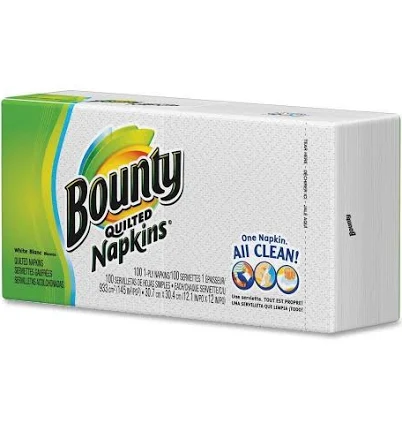
- Virgin wood pulp, 1-ply, no waterproofing layer
- We found no PFAS statement from the brand
- Starting grade for this product type
- Virgin wood pulp, 1-ply paper
- We found no PFAS statement from the brand
- Bleach residues and chlorinated byproducts
2 hazards checked on this product, all on its full breakdown.
More paper napkins & paper towels grades
How we score, every product runs through the same public 0-100 rubric based on materials, coatings, brand disclosure, lab findings, and recalls. See the full methodology → Spotted a mistake? Report an error.