Bounty · Paper Napkins & Paper Towels
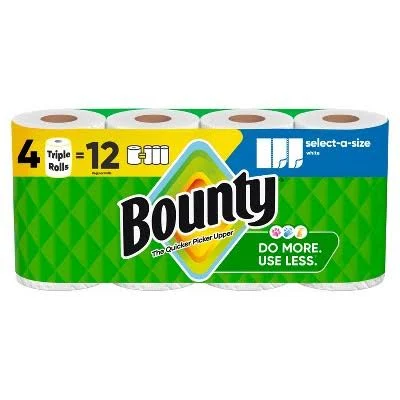
Bounty Select-A-Size Triple Roll Paper Towels
Moderate PFAS risk from grease-resistant treatment. Bounty discloses nothing.
Bounty Select-A-Size Triple Roll is treated to resist grease and moisture, a common use for PFAS-based water or oil repellents. Bounty makes no public coating claims.
The better-graded swap
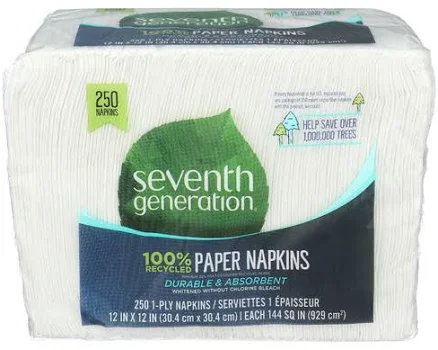
Seventh Generation
Seventh Generation 100% Recycled Napkins 1-Ply
70/100 safety
Same rubric that flunked this product. The swap earned Good.
Still want this one anyway? Check the price on Amazon. We’d swap it.
Material
cellulose pulp with grease-resistant coating
Brand disclosure
Brand is silent on PFAS
Lab data
No public lab test
You may also be interested in
Top-graded picks in the categories readers replace first, every one scored on the same rubric.

- polypropylene filter housing, carbon/sediment cartridge
- We found no PFAS statement from the brand
- Bacterial growth in spent cartridges
3 hazards checked on this product, all on its full breakdown.

Aquasure
Premier Series 75 GPD Under Sink Reverse Osmosis Water Filtration System
- RO membrane, carbon filters, stainless steel housing
- We found no PFAS statement from the brand
- Bacterial and microbial growth in housing and filters
4 hazards checked on this product, all on its full breakdown.

Avocado
Vegan Mattress
- organic cotton, natural latex, coconut coir, recycled steel coils
- The brand calls it PFAS-free, which we have not verified
- Heavy metals
2 hazards checked on this product, all on its full breakdown.
What Bounty Select-A-Size Triple Paper Towels is made of, ingredients and materials
Bounty Select-A-Size is primarily cellulose pulp (wood fiber) with a grease-resistant coating applied to resist oils and liquids. That coating is the likely source of PFAS chemicals (fluorinated compounds), though Bounty does not disclose its exact chemical composition. The pulp itself is not a material linked to PFAS; the concern is entirely the treatment layer and whether it sheds microfibers or leaches during use with hot or oily foods.
What’s concerning
Category baseline
The starting point for this type of product, before anything specific to this product is counted.
No PFAS disclosure
No public statement from the brand about PFAS in this product.
Waterproof / stain-resistant treatment
Water-repellent coating treatments have historically used PFAS.
PFAS
Grease-resistant treatment on paper towels almost always contains fluorinated chemicals (PFAS). Migration to food or skin, especially in hot or oily contexts, is a known concern in peer-reviewed literature, though quantified risk in casual use is not established. Bounty's silence on this is a transparency failure.
Source, ATSDR ↗Microfiber shedding
Paper towels naturally shed small cellulose fibers, which may carry trace coating residue. Direct contact with food or mouth could introduce both fibers and any PFAS or other chemicals on them. The triple-roll format (thinner, more absorbent sheets) may shed slightly more than standard towels due to manufacturing for reduced thickness.
Bacterial or mold growth if wet-stored
Cellulose paper is hygroscopic and will support mold or bacterial growth if left damp or stored in humid conditions. This is a use and storage issue, not a manufacturing hazard, but it is relevant to food safety and respiratory health if spores are inhaled during use.
What’s reassuring
Ink or dye transfer
Bounty paper towels are bleached white; no inks are typically printed on the sheet itself. No known incidents of dye migration or heavy-metal contamination in inks have been reported for this brand or product category.
Chlorine residue from pulp bleaching
Modern pulp bleaching is typically chlorine-free or uses low-chlorine methods; no evidence of harmful chlorine residue in commercial paper towels has been reported. Trace chlorine compounds, if present, would be minimal and unlikely to cause issues with casual contact.
How is this PFAS grade calculated?
The brand's record and disclosure
Bounty (Procter & Gamble) does not publicly disclose PFAS use, content, or safety testing for paper towels. P&G has faced pressure from consumer groups over PFAS in food-contact products but has made no commitments specific to paper towels. The brand has no known recalls or safety controversies tied to this product. Transparency on grease-resistant chemistry remains a gap across the paper towel industry.
How it compares in its category
Most major paper towel brands (Bounty, Scott, Viva) use grease-resistant coatings, making PFAS exposure fairly universal in this category if you prioritize liquid absorption. Uncoated or minimally treated alternatives (e.g., simple kraft paper towels, cloth reusables) exist but are less absorbent. Bounty Select-A-Size is a mid-range offering; premium and budget options carry similar coating risks.
If you buy it
Use for wiping hands, counters, and non-food spills without concern. Avoid prolonged contact with hot foods or oily residues directly on the paper before it touches your mouth or skin. Replace rolls when the sheet integrity degrades or if you notice ink transfer. Store in a dry place to prevent mold growth, which is a hygiene issue with any cellulose product, especially in humid kitchens.
What is not known about PFAS in this product?
- Basis
- Model estimate, 52% confidence, not a lab result
- Lab test
- None on record for this exact product
- Brand statement
- Bounty has made none
Formulations change between production runs, so check the current label. How we grade.
What are the PFAS-free alternatives to Bounty Select-A-Size Triple Roll Paper Towels?
- 100% recycled paper
- Trace metals and contaminants from recycled feedstock
2 hazards checked on this product, all on its full breakdown.
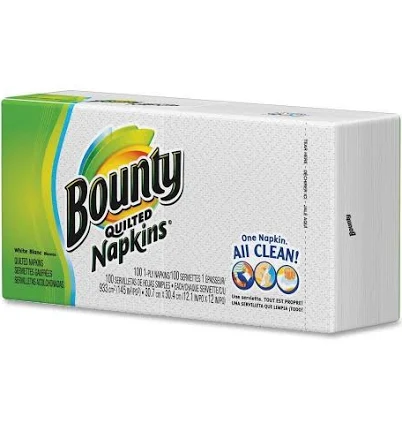
- Virgin wood pulp, 1-ply, no waterproofing layer
- We found no PFAS statement from the brand
- Starting grade for this product type
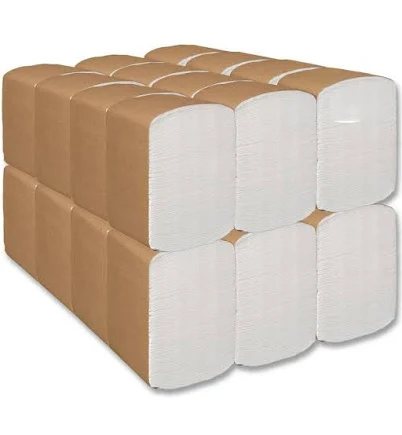
- Virgin wood pulp, 1-ply paper
- We found no PFAS statement from the brand
- Bleach residues and chlorinated byproducts
2 hazards checked on this product, all on its full breakdown.
More paper napkins & paper towels grades
How we score, every product runs through the same public 0-100 rubric based on materials, coatings, brand disclosure, lab findings, and recalls. See the full methodology → Spotted a mistake? Report an error.