Sierra · Camping Tents & Tarps
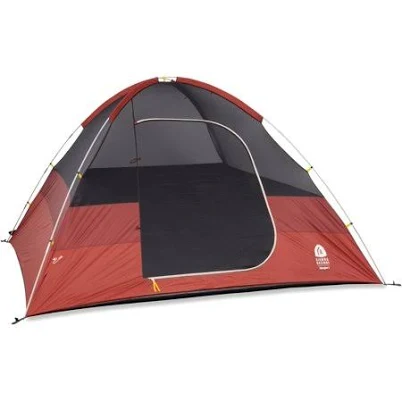
Sierra Designs Alpenglow 6 Tent
Skip until Sierra Designs discloses water-repellent coating chemistry; waterproof tents commonly use PFAS.
Sierra Designs doesn't publicly disclose the specific water-repellent coating chemistry used on this polyester tent. Conventional tent waterproofing historically relied on PFAS-based treatments.
Still want this one anyway? Check the price on Amazon. We’d swap it.
Material
Polyester tent fabric with water-repellent coating (water-repellent coating) coating
Brand disclosure
Brand is silent on PFAS
Lab data
No public lab test
You may also be interested in
Top-graded picks in the categories readers replace first, every one scored on the same rubric.

Aqua Pure
3M Aqua-Pure AP802B Whole House Filter Housing
- polypropylene filter housing, carbon/sediment cartridge
- We found no PFAS statement from the brand
- Bacterial growth in spent cartridges
3 hazards checked on this product. See all of them.

Aquasure
Premier Series 75 GPD Under Sink Reverse Osmosis Water Filtration System
- RO membrane, carbon filters, stainless steel housing
- We found no PFAS statement from the brand
- Bacterial and microbial growth in housing and filters
4 hazards checked on this product. See all of them.

Avocado
Vegan Mattress
- organic cotton, natural latex, coconut coir, recycled steel coils
- The brand calls it PFAS-free, which we have not verified
- Heavy metals
2 hazards checked on this product. See all of them.
What Sierra Designs Alpenglow 6 Tent is made of, ingredients and materials
The Alpenglow 6 uses polyester tent fabric treated with a water-repellent coating (water-repellent coating) coating to shed water without pooling. water-repellent coating coatings on outdoor gear commonly contain legacy PFAS (perfluorinated compounds) or their newer replacements, which resist both water and oil and are extremely persistent in the environment and human tissue. Sierra Designs has not publicly disclosed the specific chemistry of their water-repellent coating treatment, making it impossible to confirm whether legacy PFAS, GenX, or other fluorochemicals are present. The polyester base itself is stable and non-toxic under normal use, but the coating is where chemical risk concentrates.
What’s concerning
Category baseline
The starting point for this type of product, before anything specific to this product is counted.
No PFAS disclosure
No public statement from the brand about PFAS in this product.
Waterproof / stain-resistant treatment
Water-repellent coating treatments have historically used PFAS.
PFAS
Water-repellent coating treatments on polyester outdoor fabrics commonly use PFAS or PFAS alternatives. Sierra Designs has not disclosed their specific chemistry, making it likely (though not confirmed for this exact product) that legacy or emerging fluorochemicals are present.
Source, ATSDR ↗Volatile organic compounds (VOCs) from coating off-gassing
New polyester fabric with chemical water-repellent coating treatment may release trace volatile compounds during the first days to weeks of use. Odor and respiratory irritation are rare but possible in poorly ventilated spaces; off-gassing decreases over time.
Coating degradation and reapplication chemicals
Over 5-10 years of use, the water-repellent coating will wear and may be reapplied with commercial products that may also contain PFAS or harsh solvents. Users should be aware that recoating introduces additional chemical exposure.
What’s reassuring
Microplastics
Polyester fabrics can shed microplastics when abraded, but no data specific to Sierra Designs tents quantifies this risk. Normal use (pitched, handled carefully) presents minimal shedding; durability is high for a 6-person tent.
Source, EPA ↗Heavy metals
No recalls or testing data for heavy metals or restricted azo dyes in Sierra Designs tent fabrics. Modern polyester production in outdoor gear typically meets consumer safety standards, though transparency varies by supplier.
Source, FDA ↗The full breakdown
The brand's record and disclosure
Sierra Designs has not published a detailed water-repellent coating chemistry disclosure or committed to phasing out PFAS-based water repellents. The company does not list third-party certifications (such as GOTS, Bluesign, or Cradle to Cradle) that would indicate rigorous chemical vetting. No major safety recalls or contamination incidents are documented for this specific model. Their silence on water-repellent coating composition is consistent with industry practice but leaves consumers unable to make an informed choice about PFAS exposure.
How it compares in its category
Most mainstream camping tents use PFAS-based water-repellent coating coatings; the Alpenglow 6 is not exceptional in this regard. A small number of premium brands (notably Hyperlite Mountain Gear, some MSR models) have switched to PFAS-free water repellents or disclosed their chemistry, though these options are pricier and less common. Budget and mid-range tents, including Sierra Designs' line, typically remain opaque about water-repellent coating chemistry. If PFAS-free gear is your priority, you will need to contact manufacturers directly or choose untreated fabric and accept reduced water shedding.
If you buy it
Store the tent dry and well-ventilated to minimize off-gassing of coating volatiles, especially in the first weeks. Do not expose it to high heat (keep away from direct flame, stoves, or sustained sun exposure that could degrade the water-repellent coating and release trapped compounds). Wash only with mild soap and cool water; avoid harsh detergents or heat-drying, which can damage the coating and potentially mobilize chemicals. Plan to replace the tent after 10-15 years of regular use, as water-repellent coating coatings degrade and may need reapplication or the tent may end its functional life.
What we don’t know
- Basis
- Model estimate, 45% confidence, not a lab result
- Lab test
- None on record for this exact product
- Brand statement
- Sierra has made none
Formulations change between production runs, so check the current label. How we grade.
More camping tents & tarps grades
How we score, every product runs through the same public 0-100 rubric based on materials, coatings, brand disclosure, lab findings, and recalls. See the full methodology → Spotted a mistake? Report an error.