Sierra · Camping Tents & Tarps
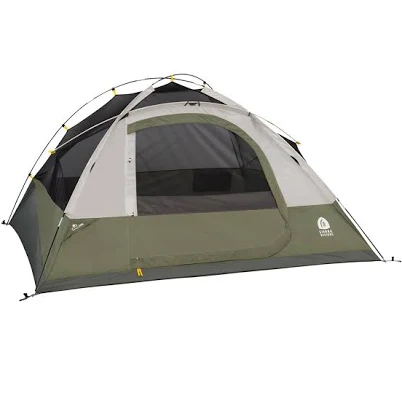
Sierra Designs Fern Canyon 4 Tent
Skip unless Sierra discloses water-repellent coating chemistry; waterproof tents commonly use PFAS-based treatments.
The polyester shell has water-repellent coating typical of outdoor gear. Sierra doesn't disclose the water-repellent coating treatment chemistry, and fluorinated compounds remain the historical standard.
Still want this one anyway? Check the price on Amazon. We’d swap it.
Material
Polyester tent fabric with water-repellent coating (water-repellent coating) coating
Brand disclosure
Brand is silent on PFAS
Lab data
No public lab test
You may also be interested in
Top-graded picks in the categories readers replace first, every one scored on the same rubric.

Aqua Pure
3M Aqua-Pure AP802B Whole House Filter Housing
- polypropylene filter housing, carbon/sediment cartridge
- We found no PFAS statement from the brand
- Bacterial growth in spent cartridges
3 hazards checked on this product. See all of them.

Aquasure
Premier Series 75 GPD Under Sink Reverse Osmosis Water Filtration System
- RO membrane, carbon filters, stainless steel housing
- We found no PFAS statement from the brand
- Bacterial and microbial growth in housing and filters
4 hazards checked on this product. See all of them.

Avocado
Vegan Mattress
- organic cotton, natural latex, coconut coir, recycled steel coils
- The brand calls it PFAS-free, which we have not verified
- Heavy metals
2 hazards checked on this product. See all of them.
What Sierra Designs Fern Canyon 4 Tent is made of, ingredients and materials
The Fern Canyon 4 uses polyester fabric with a water-repellent coating (water-repellent coating) coating. Polyester itself is chemically stable and does not leach plasticizers or BPA under normal camping conditions. The critical unknown is the water-repellent coating treatment, many tent manufacturers use PFAS-based Teflon-family coating (such as Teflon-type coating or polyfluorocarbon chains) to achieve water repellency, which can persist in the environment and bioaccumulate. Sierra has not publicly disclosed whether this tent uses PFAS-free alternatives like silicone-based or wax-based water repellents.
What’s concerning
Category baseline
The starting point for this type of product, before anything specific to this product is counted.
No PFAS disclosure
No public statement from the brand about PFAS in this product.
Waterproof / stain-resistant treatment
Water-repellent coating treatments have historically used PFAS.
PFAS
Sierra has not disclosed whether the Fern Canyon 4 uses PFAS-based or PFAS-free water repellent. Industry practice suggests Teflon-family coating-based treatments are common in this price tier. PFAS in water repellents can leach during washing, storage, and use over time.
Source, ATSDR ↗Microplastics
Polyester fabric can shed microfibers when washed or abraded, particularly at seams and high-friction areas. Risk is low during normal camping use but increases with machine washing. Rinse by hand or use a microfiber capture bag if washing is necessary.
Source, EPA ↗Coating degradation and reapplication hazard
As water-repellent coating wears, users may seek replacement treatments. Consumer-grade water-repellent coating products vary widely in safety; PFAS-containing aerosol or liquid treatments remain common. Choosing a silicone-based alternative at reapplication time reduces long-term PFAS exposure.
What’s reassuring
Polyester fabric thermal stability
Polyester tent fabric does not release significant volatile organic compounds or monomers under normal camping temperatures. No documented health risk from fabric itself; concern is limited to water-repellent coating breakdown near high heat (e.g., proximity to campfire).
Off-gassing from adhesives and thread
Modern tent seam sealants and polyester thread do not contain formaldehyde or high-VOC components under standard manufacturing. No documented off-gassing complaints for Sierra Designs tents.
The full breakdown
The brand's record and disclosure
Sierra Designs has not made a public commitment to eliminating PFAS from their products or published transparency on water-repellent coating chemistry. The brand maintains silence on this hazard class despite growing industry scrutiny. No major recalls or documented safety controversies have been recorded for this specific model. Without proactive disclosure, consumers must assume traditional Teflon-family coating treatments are in use.
How it compares in its category
Most mainstream backpacking tents (from brands like Big Agnes, REI Co-op, and MSR) use similar polyester+water-repellent coating construction. A small number of manufacturers now offer alternatives using silicone or alternative hydrophobic treatments that are not materials linked to PFAS, though these typically cost more and may require more frequent reapplication. The Fern Canyon 4 is price-competitive for its category, but this often correlates with reliance on cheaper PFAS-based durability.
If you buy it
Store in a cool, dry place away from direct heat sources; polyester degrades under prolonged UV exposure and high temperatures, which accelerates coating breakdown. Do not dry clean or use solvent-based products, as these can strip the water-repellent coating layer. Reapply water-repellent coating treatment every 1-2 years of regular use using a silicone-based refresh product to avoid needing to re-coat with Teflon-family coating. Rinse with fresh water after salt-water or muddy use to extend fabric life.
What we don’t know
- Basis
- Model estimate, 45% confidence, not a lab result
- Lab test
- None on record for this exact product
- Brand statement
- Sierra has made none
Formulations change between production runs, so check the current label. How we grade.
More camping tents & tarps grades
How we score, every product runs through the same public 0-100 rubric based on materials, coatings, brand disclosure, lab findings, and recalls. See the full methodology → Spotted a mistake? Report an error.