Sierra · Camping Tents & Tarps
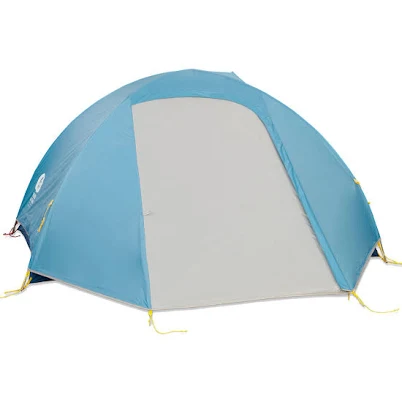
Sierra Designs Full Moon 2 Tent
Skip until Sierra discloses water-repellent coating chemistry; traditional tent coatings often contain PFAS.
This backpacking tent has polyester with water-repellent finish, a category historically reliant on PFAS-based water-repellent coating coatings. Sierra doesn't disclose their water-repellent coating composition or make a PFAS-free claim.
Still want this one anyway? Check the price on Amazon. We’d swap it.
Material
Polyester ripstop with water-repellent coating (water-repellent coating) coating
Brand disclosure
Brand is silent on PFAS
Lab data
No public lab test
You may also be interested in
Top-graded picks in the categories readers replace first, every one scored on the same rubric.

Aqua Pure
3M Aqua-Pure AP802B Whole House Filter Housing
- polypropylene filter housing, carbon/sediment cartridge
- We found no PFAS statement from the brand
- Bacterial growth in spent cartridges
3 hazards checked on this product. See all of them.

Aquasure
Premier Series 75 GPD Under Sink Reverse Osmosis Water Filtration System
- RO membrane, carbon filters, stainless steel housing
- We found no PFAS statement from the brand
- Bacterial and microbial growth in housing and filters
4 hazards checked on this product. See all of them.

Avocado
Vegan Mattress
- organic cotton, natural latex, coconut coir, recycled steel coils
- The brand calls it PFAS-free, which we have not verified
- Heavy metals
2 hazards checked on this product. See all of them.
What Sierra Designs Full Moon 2 Tent is made of, ingredients and materials
The Full Moon 2 uses polyester ripstop fabric, a lightweight woven synthetic chosen for durability and water resistance in field conditions. The critical unknown is the water-repellent coating (water-repellent coating) finish applied to the fabric surface; traditional water-repellent coating coatings have historically used PFAS chemistry to repel water persistently. Sierra does not publicly disclose the specific water-repellent coating formulation, making it impossible to confirm whether this tent uses legacy PFAS, fluorine-free alternatives, or a mixture. Polyester itself is stable under normal camping use and does not off-gas formaldehyde like some foam-backed textiles.
What’s concerning
Category baseline
The starting point for this type of product, before anything specific to this product is counted.
No PFAS disclosure
No public statement from the brand about PFAS in this product.
Waterproof / stain-resistant treatment
Water-repellent coating treatments have historically used PFAS.
PFAS
Traditional polyester tent coatings rely on PFAS for water repellency; Sierra's silence on formulation suggests undisclosed chemistry. PFAS accumulates in blood and organs and does not break down in the environment.
Source, ATSDR ↗Polyester microfiber shedding
Heavy use, abrasion, or UV degradation of ripstop weave can release synthetic microfibers, especially if the tent is packed wet or left exposed to sunlight during storage. Shed fibers are not ingested directly but contribute to environmental microplastic load.
Coating degradation and leachate
As water-repellent coating wears over years of use and sun exposure, residual chemicals may leach into soil or groundwater around camping sites, particularly if the tent is stored damp. No published data exists on leachate composition from this specific product.
Mold and bacterial growth in seams
If stored wet or packed without full drying, polyester fabric seams trap moisture and create conditions for mold and mildew, which release airborne spores when the tent is set up. This is a use-related risk, not a material hazard, but common in field conditions.
What’s reassuring
Heavy metals
Polyester ripstop fabrics used in reputable outdoor brands are not typically dyed with heavy-metal-based colorants, and no recalls or published hazards link Sierra Designs tents to lead or cadmium contamination.
Source, FDA ↗The full breakdown
The brand's record and disclosure
Sierra Designs has not published a materials transparency statement or PFAS phase-out commitment visible in public channels as of available records. The brand does not advertise PFAS-free or fluorine-free water-repellent coating treatments on product pages, which is notable in an industry where competitors increasingly market lower-concern alternatives. Without direct communication from Sierra on this specific product, consumers cannot verify coating chemistry, making informed comparison difficult.
How it compares in its category
Many established tent brands (including Big Agnes, MSR, and Nemo) now offer models with explicitly fluorine-free water-repellent coating or disclose their coating chemistry in response to consumer pressure and regulatory trends. The Full Moon 2 does not benefit from this transparency advantage and sits in a middle position, better than ultra-budget tents with no disclosure, but behind category leaders that have committed to water-repellent coating options with lower PFAS concern. Price and performance do not offset the information gap on a chemical that accumulates in human tissue.
If you buy it
Keep the tent dry between trips and store in a cool, well-ventilated space to minimize fabric stress and coating degradation, which could increase potential leaching. Avoid machine washing or using harsh detergents; hand-rinse with cool water if cleaning is necessary, as agitation and heat degrade water-repellent coating coatings and may mobilize surface chemicals. Replace or retire the tent if the floor develops tears, seams separate, or waterproofing visibly fails, as a compromised interior means no exposure upside. Before purchase, contact Sierra directly to request confirmation of the water-repellent coating chemistry; a clear answer strengthens confidence, silence reinforces caution.
What we don’t know
- Basis
- Model estimate, 45% confidence, not a lab result
- Lab test
- None on record for this exact product
- Brand statement
- Sierra has made none
Formulations change between production runs, so check the current label. How we grade.
More camping tents & tarps grades
How we score, every product runs through the same public 0-100 rubric based on materials, coatings, brand disclosure, lab findings, and recalls. See the full methodology → Spotted a mistake? Report an error.