Snugpak · Camping Tents & Tarps
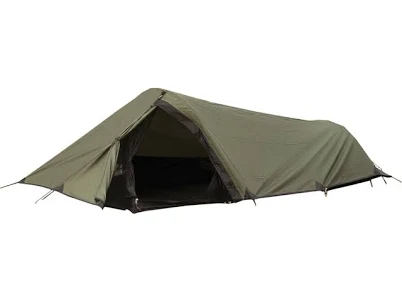
SnugPak Ionosphere IX Tent
Skip until brand discloses water-repellent coating chemistry or PFAS confirmation.
Water-repellent coated polyester has no public water-repellent coating type disclosure, PFAS status, or third-party testing. Typical PFAS concern applies to coated outdoor gear.
Still want this one anyway? Check the price on Amazon. We’d swap it.
Material
Polyester fabric with water-repellent coating water-repellent coating (unspecified)
Brand disclosure
Brand is silent on PFAS
Lab data
No public lab test
You may also be interested in
Top-graded picks in the categories readers replace first, every one scored on the same rubric.

Aqua Pure
3M Aqua-Pure AP802B Whole House Filter Housing
- polypropylene filter housing, carbon/sediment cartridge
- We found no PFAS statement from the brand
- Bacterial growth in spent cartridges
3 hazards checked on this product. See all of them.

Aquasure
Premier Series 75 GPD Under Sink Reverse Osmosis Water Filtration System
- RO membrane, carbon filters, stainless steel housing
- We found no PFAS statement from the brand
- Bacterial and microbial growth in housing and filters
4 hazards checked on this product. See all of them.

Avocado
Vegan Mattress
- organic cotton, natural latex, coconut coir, recycled steel coils
- The brand calls it PFAS-free, which we have not verified
- Heavy metals
2 hazards checked on this product. See all of them.
What SnugPak Ionosphere IX Tent is made of, ingredients and materials
The Ionosphere IX uses polyester fabric as its primary shell material, a synthetic polymer that is chemically stable and does not off-gas formaldehyde or volatile organic compounds in normal use. The critical unknown is the water-repellent (water-repellent coating) coating applied to the polyester. water-repellent coating treatments historically relied on PFAS "forever chemicals" (PFAS), which are persistent chemicals; Snugpak has not publicly disclosed whether this tent uses PFAS-based or PFAS-free water-repellent coating chemistry, creating a significant information gap.
What’s concerning
Category baseline
The starting point for this type of product, before anything specific to this product is counted.
No PFAS disclosure
No public statement from the brand about PFAS in this product.
Waterproof / stain-resistant treatment
Water-repellent coating treatments have historically used PFAS.
PFAS
Snugpak has not disclosed whether the Ionosphere IX uses PFAS-based or PFAS-free water-repellent coating. Given the brand's silent stance and the historical prevalence of PFAS in tent coatings, PFAS presence is plausible but unconfirmed. This is the primary reason to contact the brand before purchase.
Source, ATSDR ↗Off-gassing from coating breakdown
As water-repellent coating coatings degrade over time (3-5 years of use), breakdown byproducts may off-gas in enclosed spaces like pitched tents. The nature and safety of these byproducts depends on the unknown coating chemistry. Tent ventilation during use mitigates acute exposure.
Mildew and mold if stored wet
Polyester tents are susceptible to microbial growth if not dried before storage. While not a toxicological hazard, mold can degrade fabric durability and create respiratory irritants in damp camping conditions. Proper drying and storage are essential maintenance steps.
What’s reassuring
Polyester azo dyes
Polyester textiles can potentially contain azo dyes linked to amine carcinogens, but no specific concerns or recalls have been documented for Snugpak tents. This is a standard category hazard that applies broadly to polyester apparel and gear, not unique to this product.
The full breakdown
The brand's record and disclosure
Snugpak is a UK-based outdoor gear manufacturer with a long operational history but minimal public commitment to chemical transparency. The brand has not released statements about PFAS phaseout, water-repellent coating alternatives, or third-party testing of finished products. No major product recalls related to chemical contamination have been established for this model. The silence on water-repellent coating chemistry is the core issue, responsible outdoor brands (Arc'teryx, Patagonia, others) now specify non-PFAS or low-PFAS alternatives; Snugpak's lack of disclosure suggests either legacy formulations or unwillingness to market the switch.
How it compares in its category
High-end tents increasingly market PFAS-free water-repellent coating coatings (fluorine-free or paraffin-based); mid-range brands vary widely. The Ionosphere IX is positioned as a premium three-season shelter but does not distinguish itself on chemical safety. Competitors like Big Agnes and MSR have begun disclosing water-repellent coating choices; Snugpak's silence puts it below transparency leaders. Polyester itself is standard; the coating is the differentiator.
If you buy it
Contact Snugpak support directly and request written confirmation of the water-repellent coating chemistry before purchase. Store the tent dry; moisture and mildew are the primary maintenance risks with polyester, not chemical leaching. water-repellent coating treatments degrade with washing and UV exposure; expect to need re-treatment after 3-5 years of heavy use. Avoid machine washing or high-heat drying, which can accelerate coating breakdown.
What we don’t know
- Basis
- Model estimate, 45% confidence, not a lab result
- Lab test
- None on record for this exact product
- Brand statement
- Snugpak has made none
Formulations change between production runs, so check the current label. How we grade.
More camping tents & tarps grades
How we score, every product runs through the same public 0-100 rubric based on materials, coatings, brand disclosure, lab findings, and recalls. See the full methodology → Spotted a mistake? Report an error.