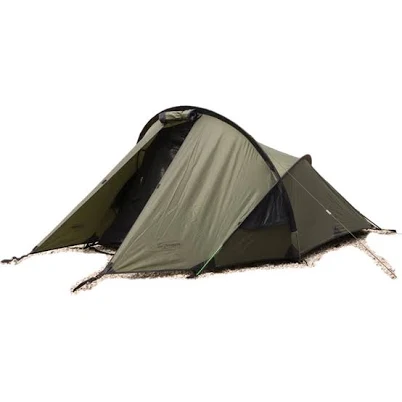
Snugpak · Camping Tents & Tarps
Snugpak Scorpion 2 Camping Tent
Camping tents typically use water-repellent coatings; PFAS status undisclosed.
This polyester camping tent has waterproof treatment with unspecified coating type. Historically this category relied on PFAS-based water-repellent coating finishes with no brand disclosure.
Still want this one anyway? Check the price on Amazon. We’d swap it.
Material
polyester fabric with waterproof coating (type unspecified)
Brand disclosure
Brand is silent on PFAS
Lab data
No public lab test
You may also be interested in
Top-graded picks in the categories readers replace first, every one scored on the same rubric.

Aqua Pure
3M Aqua-Pure AP802B Whole House Filter Housing
- polypropylene filter housing, carbon/sediment cartridge
- We found no PFAS statement from the brand
- Bacterial growth in spent cartridges
3 hazards checked on this product. See all of them.

Aquasure
Premier Series 75 GPD Under Sink Reverse Osmosis Water Filtration System
- RO membrane, carbon filters, stainless steel housing
- We found no PFAS statement from the brand
- Bacterial and microbial growth in housing and filters
4 hazards checked on this product. See all of them.

Avocado
Vegan Mattress
- organic cotton, natural latex, coconut coir, recycled steel coils
- The brand calls it PFAS-free, which we have not verified
- Heavy metals
2 hazards checked on this product. See all of them.
What Snugpak Scorpion 2 Camping Tent is made of, ingredients and materials
The Scorpion 2 uses polyester fabric with a waterproof coating applied to the outer layer. Polyester itself is stable, but the waterproofing additive is the concern, manufacturers typically use either PFAS-based or alternative hydrophobic chemicals, and Snugpak has not publicly disclosed which. The fabric will shed microfibers over time, especially with abrasion, though this is not unique to this tent.
What’s concerning
Category baseline
The starting point for this type of product, before anything specific to this product is counted.
No PFAS disclosure
No public statement from the brand about PFAS in this product.
Waterproof / stain-resistant treatment
Water-repellent coating treatments have historically used PFAS.
PFAS
Camping tents typically use water-repellent coating coatings; PFAS-based formulations remain common in this price range. Snugpak's silence on the specific chemistry means PFAS presence cannot be ruled out and should be assumed possible.
Source, ATSDR ↗Volatile organic compounds (VOCs) from coating off-gassing
Polyester coatings can off-gas VOCs during manufacture and first use, especially in enclosed or hot conditions. No specific testing of this product is on record, but odor on unpacking is common and usually diminishes within days.
Microfiber shedding from polyester fabric
Polyester textiles shed fibers through abrasion and weathering. Microfibers enter soil and water; impact to personal health is low, but environmental persistence is a concern with regular tent use.
Mold and bacterial growth if stored wet
Polyester itself resists mold, but the moisture trapped inside creates conditions for microbial growth if the tent is packed damp. Inhalation or skin contact with mold spores can trigger respiratory irritation or allergic reactions in sensitive individuals.
Coating degradation and loss of water repellency
Polyester water-repellent coating coatings are not permanent; UV exposure, heat, and mechanical wear reduce water resistance over 2-5 years. Once compromised, water penetration can allow mold growth and material breakdown.
The full breakdown
The brand's record and disclosure
Snugpak is a British outdoor gear company with a reputation for durability but minimal public chemical disclosure. No major safety recalls or certifications (like bluesign or OEKO-TEX) are listed for this model. The company has not published statements on PFAS avoidance or use, leaving the waterproofing chemistry opaque to consumers.
How it compares in its category
Most budget to mid-range camping tents, including Snugpak, use unspecified water-repellent coating (water-repellent coating) coatings that may contain PFAS. Higher-end or environmentally marketed brands (e.g., Patagonia, MSR) often disclose PFAS-free alternatives or bluesign certification. The Scorpion 2 offers good value and weather resistance but sits in a transparency gap typical of mid-market camping gear.
If you buy it
Ensure good ventilation during use to minimize inhalation of any coating off-gassing, especially in hot or humid conditions. Clean and dry thoroughly after use; prolonged damp storage can promote mold and bacterial growth inside the tent. The waterproof coating will degrade over 3-5 years of regular use; when water no longer beads on the fabric, replacement or re-treatment may be needed. Avoid abrasive cleaning; rinse with plain water and air dry.
What we don’t know
- Basis
- Model estimate, 42% confidence, not a lab result
- Lab test
- None on record for this exact product
- Brand statement
- Snugpak has made none
Formulations change between production runs, so check the current label. How we grade.
More camping tents & tarps grades
How we score, every product runs through the same public 0-100 rubric based on materials, coatings, brand disclosure, lab findings, and recalls. See the full methodology → Spotted a mistake? Report an error.