Snugpak · Camping Tents & Tarps
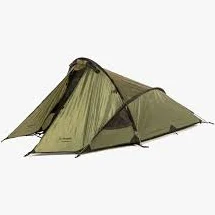
Snugpak Scorpion 2 IX Lightweight Hiking Tent
Skip unless Snugpak discloses water-repellent coating chemistry; waterproof tents commonly use PFAS-based treatments.
This hiking tent uses nylon ripstop with water-repellent coating, but Snugpak doesn't disclose whether the water-repellent coating treatment contains PFAS. Most lightweight waterproof tents rely on fluorochemical coatings.
Still want this one anyway? Check the price on Amazon. We’d swap it.
Material
Nylon ripstop fabric with water-repellent coating (water-repellent coating) coating
Brand disclosure
Brand is silent on PFAS
Lab data
No public lab test
You may also be interested in
Top-graded picks in the categories readers replace first, every one scored on the same rubric.

Aqua Pure
3M Aqua-Pure AP802B Whole House Filter Housing
- polypropylene filter housing, carbon/sediment cartridge
- We found no PFAS statement from the brand
- Bacterial growth in spent cartridges
3 hazards checked on this product. See all of them.

Aquasure
Premier Series 75 GPD Under Sink Reverse Osmosis Water Filtration System
- RO membrane, carbon filters, stainless steel housing
- We found no PFAS statement from the brand
- Bacterial and microbial growth in housing and filters
4 hazards checked on this product. See all of them.

Avocado
Vegan Mattress
- organic cotton, natural latex, coconut coir, recycled steel coils
- The brand calls it PFAS-free, which we have not verified
- Heavy metals
2 hazards checked on this product. See all of them.
What Snugpak Scorpion 2 IX Lightweight Hiking is made of, ingredients and materials
The Scorpion 2 IX uses nylon ripstop fabric with a water-repellent coating (water-repellent coating) coating applied to the exterior. Nylon ripstop itself is a stable, non-toxic polymer when intact. However, the water-repellent coating treatment is the critical unknown, outdoor waterproof fabrics commonly use fluorinated (PFAS-based) coatings or, less commonly, wax or silicone alternatives. The coating degrades over time through UV exposure and washing, which can release particles and potentially leachable compounds into the environment and user contact areas.
What’s concerning
Category baseline
The starting point for this type of product, before anything specific to this product is counted.
No PFAS disclosure
No public statement from the brand about PFAS in this product.
Waterproof / stain-resistant treatment
Water-repellent coating treatments have historically used PFAS.
PFAS
Standard industry practice for lightweight tent waterproofing; not disclosed by Snugpak. Coating degradation and skin contact during use/maintenance pose potential exposure pathways. Graded separately at 20/100 PFAS safety.
Source, ATSDR ↗Nylon degradation and particulate shedding
Ripstop nylon is durable, but UV exposure and abrasion can cause microfiber shedding, particularly from the water-repellent coating-treated outer layer. Risk increases with age and storage in sunlight. Not a chemical hazard but a physical one.
Volatile organic compound (VOC) off-gassing from water-repellent coating and adhesives
New tents, especially with solvent-based water-repellent coating coatings and seam adhesives, may emit low levels of VOCs during initial storage and setup. Ventilation during unpacking and first use mitigates this; typically not a concern with normal outdoor use.
Mold and bacterial growth if stored damp
Nylon itself does not support biological growth, but trapped moisture combined with organic matter (pollen, dust) can foster mold on the interior. This is a maintenance issue, not an inherent material hazard. Dry storage is preventive.
What’s reassuring
Lead
Snugpak uses commercial nylon and water-repellent coating treatments sourced from established suppliers; no public records of heavy metal contamination in this model. Unlikely but not independently verified by third-party testing.
Source, ATSDR ↗The full breakdown
The brand's record and disclosure
Snugpak has not publicly disclosed the specific chemistry of its water-repellent coating treatments across its product line, nor does the brand appear to have pursued PFAS-free certifications (such as Oeko-Tex or bluesign). This silence is typical but unhelpful for informed purchasing. No major safety recalls or complaints specific to this model have been documented in public records, but absence of disclosure does not confirm safety.
How it compares in its category
Most lightweight hiking tents at this price point use fluorinated water-repellent coating coatings for durability and water repellency; PFAS-free alternatives exist but are less common and often pricier (e.g., some Nemo, Big Agnes, and Zpacks models offer wax or silicone water-repellent coating). The Scorpion 2 IX is competitively positioned as a budget-friendly option, which typically correlates with conventional (PFAS-containing) treatments rather than premium alternatives. Tent safety hazards beyond water-repellent coating are minimal across the category.
If you buy it
Avoid prolonged skin contact with the outer fabric, especially when wet or sweating; the water-repellent coating can migrate onto skin. Do not machine-wash without checking Snugpak's care instructions; aggressive washing may accelerate coating degradation and release particles. Air-dry in shade to preserve the water-repellent coating layer. Store dry and well-ventilated to prevent mold growth inside the nylon. Replace or retire the tent if the outer fabric tears or coating visibly delaminates, as this compromises the waterproofing and increases exposure to treated materials.
What we don’t know
- Basis
- Model estimate, 45% confidence, not a lab result
- Lab test
- None on record for this exact product
- Brand statement
- Snugpak has made none
Formulations change between production runs, so check the current label. How we grade.
More camping tents & tarps grades
How we score, every product runs through the same public 0-100 rubric based on materials, coatings, brand disclosure, lab findings, and recalls. See the full methodology → Spotted a mistake? Report an error.