Snugpak · Camping Tents & Tarps
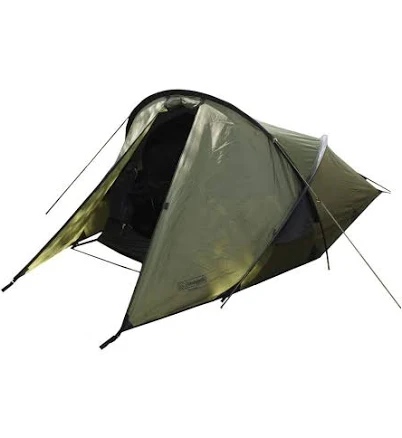
SnugPak Scorpion 2 IX Tent
Skip until Snugpak discloses waterproof treatment chemistry; water-repellent coating coatings often contain PFAS.
This trekking tent has polyester/nylon ripstop with waterproof coating, but Snugpak doesn't disclose the specific waterproofing chemistry. Many manufacturers still apply PFAS-based water-repellent coating treatments.
Still want this one anyway? Check the price on Amazon. We’d swap it.
Material
Polyester/nylon ripstop with waterproof coating (type unspecified)
Brand disclosure
Brand is silent on PFAS
Lab data
No public lab test
You may also be interested in
Top-graded picks in the categories readers replace first, every one scored on the same rubric.

Aqua Pure
3M Aqua-Pure AP802B Whole House Filter Housing
- polypropylene filter housing, carbon/sediment cartridge
- We found no PFAS statement from the brand
- Bacterial growth in spent cartridges
3 hazards checked on this product. See all of them.

Aquasure
Premier Series 75 GPD Under Sink Reverse Osmosis Water Filtration System
- RO membrane, carbon filters, stainless steel housing
- We found no PFAS statement from the brand
- Bacterial and microbial growth in housing and filters
4 hazards checked on this product. See all of them.

Avocado
Vegan Mattress
- organic cotton, natural latex, coconut coir, recycled steel coils
- The brand calls it PFAS-free, which we have not verified
- Heavy metals
2 hazards checked on this product. See all of them.
What SnugPak Scorpion 2 IX Tent is made of, ingredients and materials
The Scorpion 2 IX uses polyester and nylon ripstop fabrics, which are chemically inert polymers and standard in outdoor tents. The critical unknown is the waterproof/water-repellent coating (water-repellent coating) coating applied to these fabrics. Snugpak has not publicly disclosed whether this coating uses PFAS-based chemistry (older Teflon-family coating formulations) or newer alternatives like paraffin or silicone. This opacity is the main safety concern, since water-repellent coating coatings are the most common vector for PFAS contamination in camping textiles.
What’s concerning
Category baseline
The starting point for this type of product, before anything specific to this product is counted.
No PFAS disclosure
No public statement from the brand about PFAS in this product.
Waterproof / stain-resistant treatment
Water-repellent coating treatments have historically used PFAS.
PFAS
Snugpak has not disclosed the specific water-repellent coating chemistry. Industry data shows that Teflon-family coating-based waterproof coatings on outdoor textiles often contain PFOA, Teflon-type coating, or related PFAS compounds, which persist in the environment and bioaccumulate. This is covered separately under PFAS grade but drives the 'care' verdict.
Source, ATSDR ↗Formaldehyde / VOCs
Standard polyester ripstop fabrics may use formaldehyde-based cross-linking resins during manufacture to stabilize the weave and dye. Snugpak does not advertise formaldehyde-free processing. Risk is low during normal use (tent is not worn against skin), but off-gassing in humid or warm storage conditions is theoretically possible.
Source, ATSDR ↗Coating degradation and microparticle shedding
All water-repellent coating coatings on ripstop degrade with age, UV exposure, and washing. As the waterproof layer breaks down, small fragments and residual chemical precursors can shed into moisture that contacts the tent. This is a use-phase concern rather than acute toxicity, but relevant for long-term field exposure.
Azo dyes in colored polyester fabrics
Polyester ripstop dyes may include azo colorants, some of which can break down to form aromatic amines under UV or microbial activity. Snugpak does not advertise restricted azo dye testing. Risk is low because dyes are bonded within the fiber, but this is a known concern in the outdoor textiles category.
What’s reassuring
Lead
Polyester and nylon ripstop tents do not typically use lead or cadmium-based pigments or stabilizers. No public recall or safety data suggests this is an issue for Snugpak or the category.
Source, ATSDR ↗The full breakdown
The brand's record and disclosure
Snugpak is a UK-based outdoor gear manufacturer with a solid reputation for durability and military/expedition heritage, but has not made public commitments to disclose waterproof coating chemistry or phase out PFAS. The brand does not advertise PFAS-free certifications or third-party testing. This silence is notable because major competitors (e.g., some lines from Big Agnes, MSR) have begun transparency initiatives on chemical treatments. Snugpak's lack of response to PFAS scrutiny in the outdoor sector suggests either use of legacy formulations or an indifference to consumer chemical disclosure.
How it compares in its category
Camping tents in the 2-3 person, four-season niche typically rely on waterproof coatings because of their durability needs; the Scorpion 2 IX is a robust expedition tent competing against similar models from MSR, Hilleberg, and Vaude. Many competitors in this tier also use undisclosed coatings, but several have begun offering PFAS-free options or transparent sourcing. The Scorpion 2 IX's lack of transparency places it below the emerging standard in the category, where buyers increasingly expect clarity on water-repellent coating chemicals.
If you buy it
Store the tent in a dry, well-ventilated space away from direct sunlight to slow degradation of the coating (UV and heat break down Teflon-family coating). Do not use solvents, harsh detergents, or machine washing; gentle hand-rinse with water only. Avoid prolonged contact with skin oils and sweat, which can degrade the water-repellent coating over time and potentially increase leaching. Plan to re-proof the tent every 2-3 years if used regularly; choose a PFAS-free re-proofing product (wax-based or silicone alternatives exist) to reduce cumulative chemical exposure.
What we don’t know
- Basis
- Model estimate, 45% confidence, not a lab result
- Lab test
- None on record for this exact product
- Brand statement
- Snugpak has made none
Formulations change between production runs, so check the current label. How we grade.
More camping tents & tarps grades
How we score, every product runs through the same public 0-100 rubric based on materials, coatings, brand disclosure, lab findings, and recalls. See the full methodology → Spotted a mistake? Report an error.