Snugpak · Camping Tents & Tarps
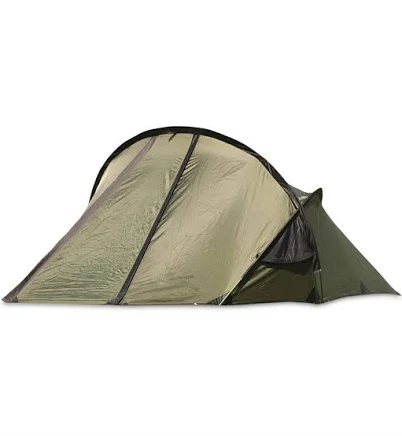
Snugpak Scorpion 3 IX 3 Person Tent
Skip unless brand confirms water-repellent coating is PFAS-free.
Polyester ripstop fabric has unspecified water-repellent coating. Outdoor gear tents historically used PFOA or PFAS, though some switched to alternatives without brand confirmation.
Still want this one anyway? Check the price on Amazon. We’d swap it.
Material
Polyester ripstop fabric with water-repellent coating (water-repellent coating) coating, type unspecified
Brand disclosure
Brand is silent on PFAS
Lab data
No public lab test
You may also be interested in
Top-graded picks in the categories readers replace first, every one scored on the same rubric.

Aqua Pure
3M Aqua-Pure AP802B Whole House Filter Housing
- polypropylene filter housing, carbon/sediment cartridge
- We found no PFAS statement from the brand
- Bacterial growth in spent cartridges
3 hazards checked on this product. See all of them.

Aquasure
Premier Series 75 GPD Under Sink Reverse Osmosis Water Filtration System
- RO membrane, carbon filters, stainless steel housing
- We found no PFAS statement from the brand
- Bacterial and microbial growth in housing and filters
4 hazards checked on this product. See all of them.

Avocado
Vegan Mattress
- organic cotton, natural latex, coconut coir, recycled steel coils
- The brand calls it PFAS-free, which we have not verified
- Heavy metals
2 hazards checked on this product. See all of them.
What Snugpak Scorpion 3 IX 3 Person Tent is made of, ingredients and materials
The Scorpion 3 IX uses polyester ripstop fabric with an unspecified water-repellent coating (water-repellent coating) coating. Polyester itself is stable and does not leach chemicals under normal use, but the water-repellent coating is the concern, most mass-market tent DWRs historically relied on PFAS-based Teflon-family coating to repel water. Snugpak has not publicly disclosed whether this model uses PFAS-free alternatives like wax or silicone-based water-repellent coating, leaving uncertainty about both acute and long-term environmental exposure.
What’s concerning
Category baseline
The starting point for this type of product, before anything specific to this product is counted.
No PFAS disclosure
No public statement from the brand about PFAS in this product.
Waterproof / stain-resistant treatment
Water-repellent coating treatments have historically used PFAS.
PFAS
Unspecified water-repellent coating type on polyester ripstop suggests legacy fluorinated chemistry; Snugpak's silence on certification implies PFAS-based formulation is probable, though not confirmed by independent testing.
Source, ATSDR ↗Volatile off-gassing from new fabric coating
New polyester tents with chemical water-repellent treatments can release volatile organic compounds (VOCs) and potential fluorinated compounds during first uses; risk is acute and diminishes after 2-3 weeks of outdoor ventilation.
Microplastic fiber shedding from ripstop
Polyester ripstop is durable but sheds microscopic fibers with abrasion and weathering; accumulated material near tent site may shed into soil and water, though shedding rate for tents is lower than textiles worn directly on skin.
What’s reassuring
Flame retardants
No public record of halogenated flame retardants in Snugpak tents; polyester is inherently flame-resistant and typically requires no added treatment for this product category.
Source, EPA ↗Heavy metals
Snugpak tents use standard azo dyes; no documented contamination with lead, cadmium, or antimony in this brand or polyester tent category, though third-party testing is rare.
Source, FDA ↗The full breakdown
The brand's record and disclosure
Snugpak, a UK-based camping brand, has not issued public statements on PFAS use in their tent coatings or commitment to phasing out fluorinated water-repellent coating. No major recalls or chemical hazard controversies are recorded for this specific model. The brand's silence on chemical disclosure is a red flag in an industry where competitors (e.g., Rab, Patagonia) increasingly certify PFAS-free water-repellent coating, suggesting Snugpak may not yet have transitioned away from legacy fluorinated coatings.
How it compares in its category
Three-person dome tents at this price point commonly use PFAS-based water-repellent coating; the Scorpion 3 IX is typical in this regard. Premium alternatives (MSR, Big Agnes, higher-end Rab models) increasingly advertise PFAS-free water-repellent coating as a selling point. Budget polyester tents without water-repellent coating (or with wax-based water-repellent coating) exist but offer less weatherproofing; mid-range models like the Scorpion sit between these extremes, trading slightly higher chemical risk for better water resistance and durability.
If you buy it
Ventilate the tent thoroughly indoors before first use to minimize inhalation of volatile coating residues. Avoid prolonged contact with bare skin, especially for children, during the first few camping trips. Clean and re-apply water-repellent coating annually; if the tent leaks, replacement is more sustainable than attempting mid-life repairs. Store in a dry, unheated space; do not machine-wash with hot water, as heat may accelerate any PFAS shedding from the coating.
What we don’t know
- Basis
- Model estimate, 42% confidence, not a lab result
- Lab test
- None on record for this exact product
- Brand statement
- Snugpak has made none
Formulations change between production runs, so check the current label. How we grade.
More camping tents & tarps grades
How we score, every product runs through the same public 0-100 rubric based on materials, coatings, brand disclosure, lab findings, and recalls. See the full methodology → Spotted a mistake? Report an error.