Snugpak · Camping Tents & Tarps
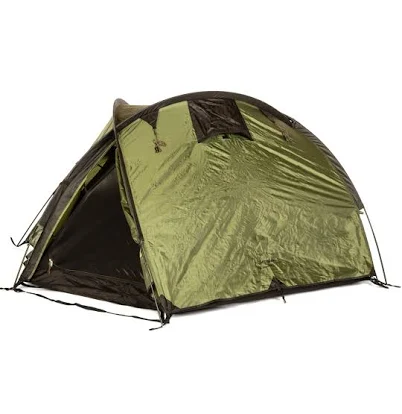
Snugpak The Bunker 3 Man Dome Tent
Skip until Snugpak discloses coating chemistry; tent waterproofing often involves PFAS.
This camping tent has waterproof-coated polyester. Snugpak makes no disclosure about PFAS in their water-repellent coating treatment, and most traditional tent waterproof coatings historically contained PFAS.
Still want this one anyway? Check the price on Amazon. We’d swap it.
Material
Polyester fabric with waterproof/water-resistant coating (type unspecified)
Brand disclosure
Brand is silent on PFAS
Lab data
No public lab test
You may also be interested in
Top-graded picks in the categories readers replace first, every one scored on the same rubric.

Aqua Pure
3M Aqua-Pure AP802B Whole House Filter Housing
- polypropylene filter housing, carbon/sediment cartridge
- We found no PFAS statement from the brand
- Bacterial growth in spent cartridges
3 hazards checked on this product. See all of them.

Aquasure
Premier Series 75 GPD Under Sink Reverse Osmosis Water Filtration System
- RO membrane, carbon filters, stainless steel housing
- We found no PFAS statement from the brand
- Bacterial and microbial growth in housing and filters
4 hazards checked on this product. See all of them.

Avocado
Vegan Mattress
- organic cotton, natural latex, coconut coir, recycled steel coils
- The brand calls it PFAS-free, which we have not verified
- Heavy metals
2 hazards checked on this product. See all of them.
What Snugpak The Bunker 3 Man Dome Tent is made of, ingredients and materials
The Bunker 3 Man uses polyester fabric as its primary shell material, which is durable and lightweight but requires a waterproof topcoat to shed water. Snugpak does not publicly specify whether their water-resistant coating uses PFAS-based water-repellent coating (water-repellent coating) chemistry or newer alternatives like wax or silicone-based systems. Polyester itself is stable at normal use temperatures, but the coating chemistry is the critical unknown. UV exposure and abrasion from regular pitching and packing can degrade any protective coating over time.
What’s concerning
Category baseline
The starting point for this type of product, before anything specific to this product is counted.
No PFAS disclosure
No public statement from the brand about PFAS in this product.
Waterproof / stain-resistant treatment
Water-repellent coating treatments have historically used PFAS.
PFAS
Snugpak does not disclose coating type. Standard polyester tent coatings typically use fluorinated water-repellent coating (PFAS-based), which is persistent and bioaccumulative. Without public specification, assume conventional chemistry unless Snugpak confirms otherwise.
Source, ATSDR ↗Polyester off-gassing and thermal degradation
Polyester fabrics can release volatile organic compounds (VOCs) when new or when heated above 60C. In a sealed tent during hot weather, concentrations may be noticeable but are not acutely hazardous at typical camping exposures. Ventilation and airing out before first use reduce this.
Coating degradation and particulate release
As the water-repellent coating degrades from UV, flexing, and wear, microparticles of the coating can shed into water runoff and soil around the campsite. The composition of these particles depends on the original coating chemistry (PFAS risk present if fluorinated).
Azo dyes in colored fabric
The Bunker 3 is typically sold in dark colors (olive, black). Polyester dyes can include azo compounds that release amines under breakdown or high heat. Risk is low under normal camping use but present during manufacturing and end-of-life disposal.
What’s reassuring
Formaldehyde / VOCs
No public record of formaldehyde-based finishing treatments in Snugpak tents, but not explicitly ruled out. Polyester fabric for outdoor use sometimes receives antimicrobial or water-resistant treatment that may include formaldehyde releasers; Snugpak provides no specification.
Source, ATSDR ↗The full breakdown
The brand's record and disclosure
Snugpak is a UK-based outdoor gear manufacturer with no published commitment to PFAS disclosure or phase-out. The company does not list material safety data sheets or coating specifications on its product pages. No major recalls or chemical contamination incidents have been publicly documented for Snugpak tents, but the absence of transparency on waterproofing chemistry is a significant gap. Competitors in the premium camping segment (e.g.Some brands (such as Big Agnes, MSR) have begun offering options without intentionally added PFAS and publishing their coating details.
How it compares in its category
Budget and mid-range dome tents almost universally use polyester with conventional water-repellent coating coatings, making the Bunker 3 typical in material choice rather than a leader. The key differentiator is disclosure, many established brands now either confirm PFAS-free status or remain silent like Snugpak. Tents using polyester with fluorocarbon-free coatings (silicone or polyurethane-only systems) are increasingly available at similar price points. Snugpak's lack of transparency puts it behind brands offering verified low-chemical alternatives.
If you buy it
Store the tent in a dry, cool place away from direct sunlight to slow coating degradation. Do not expose it to sustained high heat (e.g., near campfires or in vehicles on hot days), as this can accelerate off-gassing or coating breakdown. Inspect seams and the fabric surface annually for peeling, cracking, or water beading loss, which indicate the need for re-coating or replacement. Clean with cool water only; avoid harsh solvents that can strip the water-repellent coating. If you choose to re-treat it, use PFAS-free alternatives like wax-based products.
What we don’t know
- Basis
- Model estimate, 45% confidence, not a lab result
- Lab test
- None on record for this exact product
- Brand statement
- Snugpak has made none
Formulations change between production runs, so check the current label. How we grade.
More camping tents & tarps grades
How we score, every product runs through the same public 0-100 rubric based on materials, coatings, brand disclosure, lab findings, and recalls. See the full methodology → Spotted a mistake? Report an error.