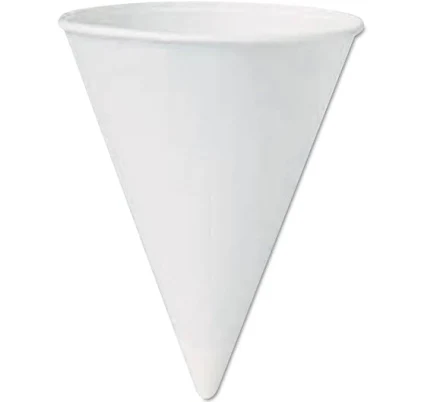
Solo Bistro Hot/Cold Foam Cups with Lids
No coating described, and no PFAS statement from the brand.
The product information we reviewed describes expanded polystyrene foam, with no water-repellent coating named. Water resistance on products like this usually comes from the material and its seals rather than a surface treatment. The brand has published no PFAS statement for it.
The better-graded swap
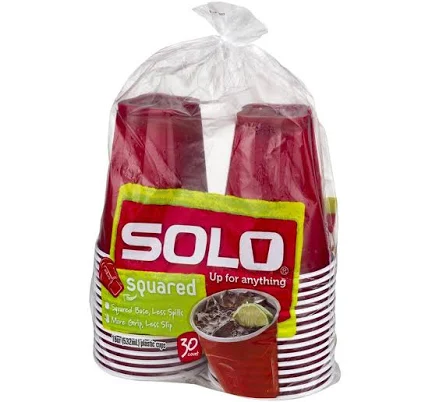
Solo
Solo Cup Company Grips Plastic Cups SQ1830
70/100 safety
Same rubric that flunked this product. The swap earned Good.
Still want this one anyway? Check the price on Amazon. We’d swap it.
Material
Expanded polystyrene foam
Brand disclosure
Brand is silent on PFAS
Lab data
No public lab test
You may also be interested in
Top-graded picks in the categories readers replace first, every one scored on the same rubric.

- polypropylene filter housing, carbon/sediment cartridge
- We found no PFAS statement from the brand
- Bacterial growth in spent cartridges
3 hazards checked on this product, all on its full breakdown.

Aquasure
Premier Series 75 GPD Under Sink Reverse Osmosis Water Filtration System
- RO membrane, carbon filters, stainless steel housing
- We found no PFAS statement from the brand
- Bacterial and microbial growth in housing and filters
4 hazards checked on this product, all on its full breakdown.

Avocado
Vegan Mattress
- organic cotton, natural latex, coconut coir, recycled steel coils
- The brand calls it PFAS-free, which we have not verified
- Heavy metals
2 hazards checked on this product, all on its full breakdown.
What Solo Bistro Hot/Cold Foam Cups with Lids is made of, ingredients and materials
Solo Bistro cups are expanded polystyrene foam (EPS), a closed-cell plastic that provides insulation and is FDA-approved for food contact in its standard form. Polystyrene is chemically stable at room temperature and below, but heat above 140°F (60°C) can cause the polymer to soften and may release trace amounts of styrene monomer, the building block chemical. The foam structure also makes these cups prone to physical degradation when flexed or compressed, which can create microscopic particles.
What’s concerning
Category baseline
The starting point for this type of product, before anything specific to this product is counted.
No PFAS disclosure
No public statement from the brand about PFAS in this product.
Styrene monomer leaching
Polystyrene can release low levels of styrene when exposed to heat above 140°F, prolonged storage, or contact with oils and alcohols. Solo does not disclose migration testing data, so actual exposure from normal use is difficult to quantify but remains within FDA-deemed-safe thresholds for casual exposure.
Microplastic shedding from physical degradation
Foam cups are fragile and degrade with flexing, squeezing, or rough handling, potentially releasing polystyrene microparticles into the beverage. This is a mechanical, not chemical, hazard and increases with cup age and repeated use.
Solvent dissolution
Polystyrene foam is chemically dissolved by many organic solvents, including limonene (citrus oils), ethanol, and acetone. Some foods, essential oils, and alcohol-containing beverages can soften or degrade the cup material over time.
What’s reassuring
Base material not linked to PFAS
The main material recorded for this product is not one associated with PFAS.
Residual manufacturing impurities
No public recalls or reports of residual monomer, catalysts, or other manufacturing byproducts in Solo foam cups. FDA oversight of polystyrene food-contact articles is established, but Solo provides no independent verification.
Flame retardants
Standard food-grade polystyrene foam typically contains no added flame retardants or antimicrobials beyond base polymer. Solo does not disclose additive lists, so this assessment is based on typical industry practice for this material class.
Source, EPA ↗How is this PFAS grade calculated?
The brand's record and disclosure
Solo is a subsidiary of Dart Container Corporation and does not publicly disclose specific hazard test results, material sourcing certifications, or third-party safety audits for this product line. No recalls specific to chemical leaching or degradation have been established in public records. The company maintains general FDA compliance statements but offers no transparency on styrene migration testing, recycled content, or post-consumer safety data.
How it compares in its category
Solo foam cups are among the most affordable single-use options and outperform paper cups in thermal insulation. However, rigid polypropylene or PLA cups eliminate styrene leaching risk entirely, though they offer less insulation. Glass and stainless-steel reusable alternatives eliminate chemical concerns but require washing. Foam's main trade-off is durability and chemical stability versus cost and convenience.
If you buy it
Use these cups only for beverages below 140°F (cold or lightly warm drinks). Do not reuse; they are designed as single-use and degrade with washing and refilling. Store in a cool, dry place away from direct sunlight and solvents, which can dissolve polystyrene. Discard immediately if the cup shows cracks, clouding, or softening. Never microwave or fill with alcoholic beverages, which accelerate polymer breakdown.
What is not known about PFAS in this product?
- Basis
- Model estimate, 45% confidence, not a lab result
- Lab test
- None on record for this exact product
- Brand statement
- Solo has made none
Formulations change between production runs, so check the current label. How we grade.
More coffee cups grades
How we score, every product runs through the same public 0-100 rubric based on materials, coatings, brand disclosure, lab findings, and recalls. See the full methodology → Spotted a mistake? Report an error.